Bloodworms should be an occasional food for betta fish, not the main diet. For a healthy adult, offer a small bloodworm portion once or twice a week while using a nutritionally complete betta pellet as the staple. The right portion depends on the worm size, the fish, and the rest of the day’s food—there is no universal “one worm” rule.
Bloodworms sold for aquarium use are normally the red larvae of non-biting midges (family Chironomidae), not marine worms from the genus Glycera. They are palatable and useful for variety, but a single ingredient cannot provide a reliably complete long-term diet.

How Often Can Bettas Eat Bloodworms?
A practical starting point is one or two bloodworm meals per week. On those days, replace part or all of a normal meal rather than adding the worms on top. Feed only what the betta consumes promptly and remove leftovers.
Healthy adult bettas are commonly fed a small amount once daily, although a veterinarian or experienced aquatic professional may recommend a different schedule for a juvenile, breeding fish, underweight fish, or fish receiving treatment. Watch body condition and water quality instead of following a rigid count.
Why Bloodworms Are a Treat
Wild Betta splendens eat zooplankton, insects, and insect larvae. Bloodworms therefore suit their feeding behavior and can encourage a reluctant fish to eat. However, variety does not mean rotating incomplete foods at random. A reputable formulated betta pellet should provide the dietary foundation, with bloodworms, daphnia, brine shrimp, or other suitable foods used in modest portions.
Overfeeding any rich food adds calories and increases waste. Uneaten material decomposes, raising the demand on the biofilter and potentially contributing to ammonia or nitrite problems. Bloodworms do not directly “cause swim bladder disease,” but excessive feeding can produce abdominal swelling, poor water quality, and buoyancy signs that need proper assessment.
Live, Frozen or Freeze-Dried?
Live bloodworms
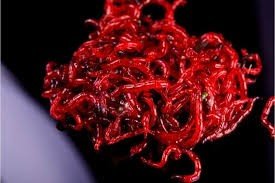
Live food stimulates natural hunting, but it carries the greatest risk of introducing parasites, bacteria, or contaminants. Never collect larvae from drains, ponds, or unknown water. Buy cultured live food from a reputable aquarium supplier, keep it as directed, rinse it with appropriate clean water, and do not pour the transport water into the aquarium.
Frozen bloodworms
Commercial frozen food is convenient and portionable, but freezing does not guarantee that every harmful organism has been eliminated. Keep the product frozen, thaw only the amount needed in a clean container, and never refreeze thawed food. The Merck Veterinary Manual advises discarding commercial frozen aquarium feeds after one year.
A whole cube is normally far too much for one betta. Break off a small portion while frozen using a clean utensil, thaw that portion, and return the package immediately to the freezer. Follow the manufacturer’s storage instructions.
Freeze-dried bloodworms
Freeze-dried food is easy to store and avoids handling live larvae, but it remains a supplemental single-ingredient food. Use a small amount and consider soaking larger dry pieces briefly so they are easier for the fish to take. Discard food that smells rancid, appears moldy, or has been stored warm or damp.
Safe Portioning Step by Step
- Check that the fish is alert and the aquarium has zero detectable ammonia and nitrite.
- Remove a very small portion from the package with clean, dry utensils.
- Thaw frozen food in a separate clean cup; do not microwave or refreeze it.
- Offer one small piece at a time and allow the betta to swallow.
- Stop before the abdomen becomes noticeably distended.
- Remove leftovers promptly and observe the fish afterward.
Because bloodworm sizes vary dramatically, counting worms is less reliable than watching the portion and the fish. If the betta receives pellets or another food at the same meal, reduce the bloodworm portion accordingly.
Signs You May Be Overfeeding

- A persistently enlarged abdomen rather than a brief, mild post-meal fullness
- Frequent uneaten food on the substrate
- Cloudy water or rising ammonia or nitrite
- Reduced activity, loss of appetite, abnormal feces, or buoyancy difficulty
These signs are not specific to overeating. Constipation, infection, parasites, organ disease, poor water quality, or reproductive conditions can look similar. Test the water immediately and stop adding rich treats. If swelling, abnormal swimming, pineconing scales, sores, or appetite loss persists, contact an aquatic veterinarian rather than repeatedly fasting or medicating without a diagnosis.
Signs of Underfeeding or Poor Nutrition
A fish that is losing mass behind the head, has a sunken abdomen, weak muscle, or persistent appetite loss needs attention. Confirm that food particles are the right size and that the fish can reach them without fighting strong filter flow. Review the staple food’s formulation and storage. Dry feeds deteriorate after opening, especially in heat and humidity, so buy containers the fish can finish while fresh.

Frequently Asked Questions
Can bettas eat bloodworms every day?
Bloodworms should not be the sole daily food. Use a complete betta diet as the staple and bloodworms occasionally for variety unless an aquatic veterinarian gives a specific feeding plan.
How many bloodworms should I feed?
There is no dependable number because live, frozen, and freeze-dried worms vary in size. Start with a very small portion, offer pieces individually, and account for all other food given that day.
Are frozen bloodworms free of parasites?
No preservation method should be treated as a guarantee. Reputable commercial frozen food generally presents less sourcing risk than wild-collected live food, but it still needs correct frozen storage and hygienic handling.
Should I fast my betta one day a week?
A routine fasting day is not essential for every healthy betta. Consistent small portions are more important. If the fish is swollen or unwell, test water and seek an appropriate diagnosis rather than relying on fasting as a cure.
Final Recommendation
Offer a healthy adult betta a small bloodworm meal once or twice weekly as part of a varied plan built around a quality complete food. Buy aquarium food from a reputable source, handle it hygienically, keep frozen food frozen, remove leftovers, and adjust feeding to the fish’s body condition and water quality.
For more practical care, see our guides to setting up a betta tank, gentle filtration, and betta feeding during absences.