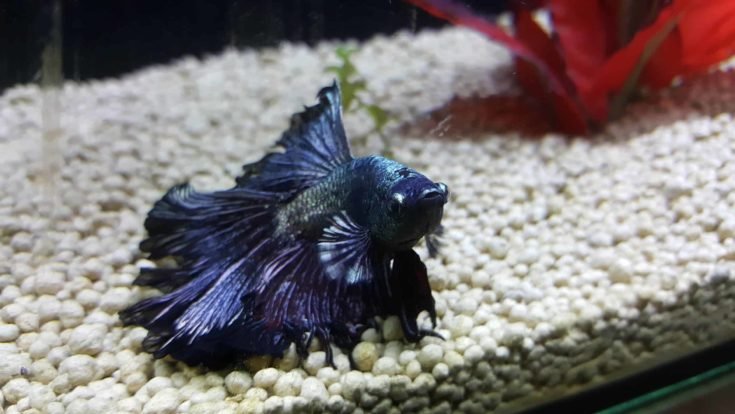
Can shrimp live with a betta? Sometimes—but no shrimp is guaranteed to be safe. Bettas are individual predators, and a fish that ignores shrimp for weeks may suddenly hunt them. Amano shrimp usually have the best chance because adults are larger and less brightly colored. Adult ghost shrimp can work when correctly identified, while cherry shrimp are the highest-risk choice and their young are likely to be eaten.
Only try the combination in a mature, planted aquarium with stable water, abundant cover, and a backup plan. If losing shrimp would be upsetting, keep them in a separate tank.
Best Shrimp for Betta Tanks: Quick Comparison
| Shrimp | Chance with a betta | Main concern |
|---|---|---|
| Amano shrimp | Best of these three | Still vulnerable during molting |
| Ghost shrimp | Possible with careful identification | The trade name covers more than one species |
| Cherry shrimp | High risk | Small size, bright color, and vulnerable juveniles |

Why Compatibility Is Never Certain
Domestic Betta splendens are primarily animal feeders. Wild fish consume zooplankton, insects, and insect larvae, so a moving crustacean can trigger a feeding response. Fin shape, age, prior experience, and individual temperament all affect the result. Long fins may slow a betta, but they do not make the fish harmless.
Shrimp are especially exposed after molting, when the new shell is soft. They need narrow retreats the betta cannot enter. Even without a kill, constant stalking can prevent shrimp from feeding normally. Watch behavior rather than assuming that an uneventful first day proves long-term compatibility.
1. Amano Shrimp — Best Overall Chance

Adult Amano shrimp (Caridina multidentata) are larger and less conspicuous than cherry shrimp, which often makes them the most practical candidate. They are active grazers, but they do not make an aquarium maintenance-free and may ignore some algae. Feed an appropriate shrimp food when natural grazing is insufficient.
Choose healthy adults rather than small juveniles, provide wood, rock crevices, moss, and dense plants, and cover the filter intake. Amano larvae require brackish or marine conditions to develop, so they do not establish a self-replacing freshwater colony.
Best for: mature planted tanks where the keeper accepts some risk. Avoid when: the betta already attacks snails, tank mates, tools, or anything moving near the substrate.
2. Ghost Shrimp — Conditional Choice
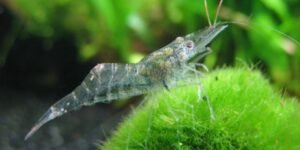
“Ghost shrimp” is a trade name, not a reliable species identification. True glass or grass shrimp sold under this name can be peaceful scavengers, but similar-looking long-armed Macrobrachium shrimp may become predatory. Buy from a supplier that can identify the species. Avoid specimens with unusually long grasping claws.
Adult ghost shrimp may be harder for a betta to see, but transparency is not protection. Provide hiding places and observe feeding so the shrimp receive enough food without overfeeding the aquarium.
3. Cherry Shrimp — Attractive but Highest Risk

Cherry shrimp (Neocaridina davidi) are small and brightly colored, making them easy targets. Adults sometimes coexist with a calm betta in dense planting, but juveniles are likely to be eaten. Do not add a breeding colony to a betta tank if preserving every shrimp matters.
Cherry shrimp are hardy only within the limits of stable, suitable water. They remain sensitive to ammonia, nitrite, sudden parameter changes, and copper exposure. Read our detailed cherry shrimp stocking guide before planning a colony.
Tank Requirements

Use a mature aquarium
A cycled tank must maintain zero detectable ammonia and nitrite. Shrimp also benefit from established biofilm. Avoid making large, sudden changes to temperature, pH, or mineral content. Test the source water and match the shrimp species rather than forcing a single exact pH.
Provide more space and structure
A ten-gallon or larger planted aquarium gives animals more room to avoid one another and is easier to keep stable than a small bowl. Dense moss, fine-leaved plants, wood, leaf litter prepared for aquarium use, and shrimp-sized caves create visual barriers and molting refuges. Keep a clear path to the surface for the betta.
Protect the filter intake
Fit a coarse prefilter sponge so shrimp and juveniles cannot enter the impeller. Use gentle flow that does not exhaust the betta, and rinse the prefilter in removed aquarium water when debris reduces flow.
Match temperature carefully
Bettas are tropical fish commonly maintained in warm water. Many shrimp tolerate the overlap, but consistently warmer temperatures can increase metabolism and shorten the margin for low oxygen. Choose a stable shared range appropriate for the exact shrimp species and keep good surface gas exchange.
How to Introduce Shrimp Safely

- Prepare the habitat first. Add dense cover and make sure the tank is cycled and stable.
- Quarantine when practical. Observe new livestock and avoid introducing disease, parasites, or unwanted hitchhikers.
- Acclimate for water differences. Temperature-match and use a gradual method suitable for shrimp, especially when mineral content differs. Never add store water to the display tank.
- Add shrimp while lights are dim. Give them time to enter cover. Rearranging some decor can disrupt established sight lines, but it cannot remove predatory instinct.
- Supervise closely. Watch continuously at first, then check frequently over the following days and after molts.
Have a cycled backup tank or safe divider ready before introduction. Remove the shrimp or betta if there is repeated chasing, striking, injury, missing limbs, failure to feed, or continuous hiding. Do not wait for a fatal attack.
Feeding and Maintenance
Feed the betta an appropriate high-quality betta diet, but do not expect a full stomach to switch off hunting. Shrimp need their own balanced food when biofilm and algae are insufficient. Remove uneaten food before it decomposes. Shrimp help process small amounts of algae and leftover material; they do not replace filtration, gravel cleaning, testing, or water changes.
Avoid medications and fertilizers containing unsafe copper concentrations. Copper is an essential trace element in some feeds, but therapeutic or excessive levels can be toxic to invertebrates. If treatment is required, verify the label and consider a separate hospital tank.
Frequently Asked Questions
Will a betta eat shrimp?
It may. Some bettas ignore adult shrimp, while others hunt immediately. Small shrimp and juveniles are at greatest risk, and behavior can change over time.
How many shrimp can live with one betta?
There is no reliable universal number. Capacity depends on tank size, species, filtration, cover, and water stability. Begin with a small group of appropriate adults only after establishing a backup plan.
Do shrimp keep the tank clean?
They graze on biofilm, some algae, and food particles, but they also produce waste. Regular testing, partial water changes, and maintenance remain essential.
Should I add the betta or shrimp first?
Adding shrimp to a fully prepared tank before the betta may improve their chance to find shelter, but it does not guarantee safety. Compatibility still depends on the individual fish.
Final Verdict
Adult Amano shrimp offer the best chance with a calm betta, followed by correctly identified adult ghost shrimp. Cherry shrimp are a high-risk option, especially for juveniles. A mature ten-gallon-or-larger planted aquarium, protected intake, stable water, close supervision, and a ready backup tank are more important than any species ranking.
Continue planning with our guides to a safe betta tank setup, betta-friendly plants, and freshwater shrimp care.