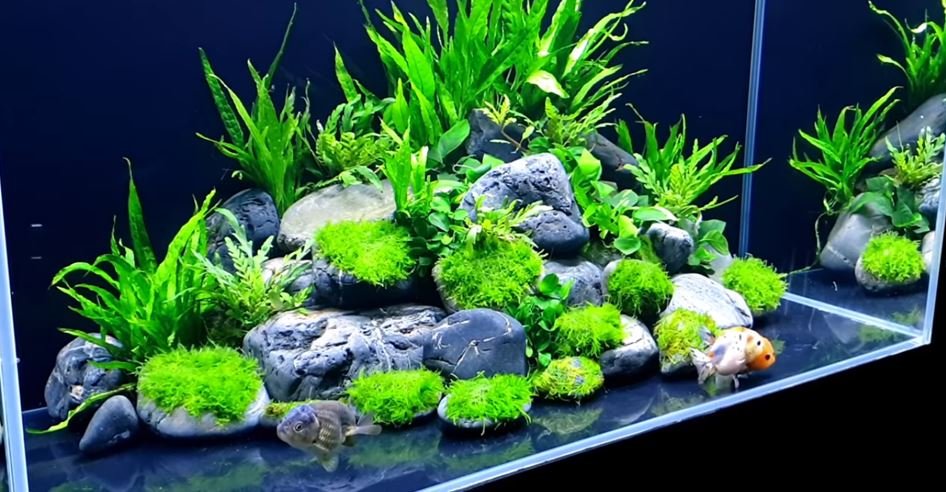
Aquarium-labeled cyanoacrylate gel can be used to attach plants and certain decorations when you follow its directions. Super glue is not a substitute for the structural silicone seams that hold a glass fish tank together. The exact adhesive and the job both matter: a small plant attachment and a leaking tank require very different solutions.
If your aquarium is leaking, stop treating this as a glue-selection problem. Protect electrical equipment from water, move livestock to a suitable temporary setup, and have the tank assessed before using it again. Do not try to seal an occupied aquarium with a dab of super glue.
Which aquarium jobs suit which adhesive?
- Attaching moss or plant roots to wood or rock: use an aquarium-labeled cyanoacrylate gel intended for that purpose.
- Mounting coral frags: choose a reef-labeled adhesive and follow its specific handling directions.
- Securing substantial rockwork: use a stable design and an aquarium-rated bonding system appropriate for its weight. A small spot of glue should not be the only thing preventing a heavy stack from collapsing.
- Glass seams, leaks, or damaged bracing: seek tank-manufacturer guidance or professional repair. This is structural work, not an aquascaping-glue application.
- Acrylic aquarium repairs: obtain material-specific professional advice; do not assume a glass-tank sealant or plant glue is suitable.
How to choose aquarium-safe super glue
Look for a product whose manufacturer explicitly supports aquarium use and the materials you intend to join. “Waterproof,” “non-toxic,” or a familiar brand name by itself is not enough to establish suitability for continuous immersion with livestock.
Cyanoacrylate gel is easier to place precisely than a runny liquid. Still, do not assume every product carrying the words “super glue” has the same formulation or approved uses. Check the exact package, directions, and safety information. If aquarium use is unclear, ask the manufacturer or choose a purpose-made aquarium adhesive.
Two current examples are Seachem Flourish Glue, intended for plants and moss, and Seachem Reef Glue, intended for coral mounting. Both are cyanoacrylate gels; their labels allow underwater use. These are examples based on manufacturer instructions, not products we claim to have personally tested.
Importantly, Seachem instructs users not to use either product to attach items to glass. An adhesive being suitable inside an aquarium does not mean it is suitable for every surface inside it.
How to attach aquarium plants with gel glue
Working on removable wood or rock outside the aquarium usually gives better control. Have the plant and attachment point ready before opening the tube, and keep plant foliage moist while you work.
- Check the plant’s growth habit. Plants grown attached to hardscape need their growing portions exposed. Do not bury or coat an entire rhizome in adhesive.
- Prepare the contact point. Remove loose debris and test the placement. Avoid an unstable or crumbling surface.
- Use a small amount. Apply just enough for a localized root or moss attachment, following the product label. Do not spread glue over leaves or growing tips.
- Hold the pieces still. Follow the stated bonding time. For example, Flourish Glue’s directions specify holding the attachment for 20 seconds.
- Check before replacing the decoration. Make sure the plant is secure and that there are no loose adhesive blobs. Follow the product’s directions for immersion; a quick initial bond is not a universal full-curing time.
- Inspect during maintenance. Plants grow and wood changes over time. Reposition or reattach a loose plant rather than adding a large amount of glue around it.
Stem plants such as the options in our red aquarium plant guide are normally planted in substrate. Glue is a tool for an appropriate attachment job, not something every planted tank needs.
Can you apply super glue underwater?
Only use it underwater when the exact product’s instructions allow that application. Seachem specifically supports underwater use for the two gels above, but that does not establish the same use for a household adhesive.
Keep fish and shrimp away from the working area and avoid releasing loose glue into the tank. For delicate attachments or a difficult angle, remove the decoration if practical. Do not chase a floating plant around an occupied tank while dispensing adhesive.
How long should the glue cure?
There is no single waiting time that applies to every aquarium adhesive. Initial bonding, handling strength, full cure, and permission to immerse are different instructions. The amount applied and the product formulation also matter.
Read the exact label instead of relying on an online rule such as “all glue is safe after a minute.” Aquarium silicone and two-part products have their own requirements. If the manufacturer does not state when the finished bond can be immersed, clarify that before putting it near livestock.
Super glue versus aquarium silicone
Super glue forms a relatively rigid attachment. Aquarium silicone provides a flexible seal and is used in glass aquarium construction. They are not interchangeable simply because both are adhesives.
Aqueon’s aquarium silicone is an example specifically marketed for freshwater and saltwater aquarium sealing. That product description does not mean every leak can be repaired by adding silicone over an existing seam. The condition of the original bond, glass, frame, and bracing must be assessed.
For silicone selection, see our aquarium silicone guide. Follow the tank manufacturer’s requirements and the sealant’s preparation and curing instructions. Never assume a bathroom or kitchen sealant is acceptable, and do not use a product with mold-control additives unless its manufacturer explicitly approves the intended aquarium application.
Common mistakes to avoid
- Choosing by brand alone. One brand can sell cyanoacrylate, expanding glue, epoxy, and other products with different uses.
- Using glue to compensate for unstable rocks. Arrange a secure base and account for digging fish. Our aquarium rock guide covers material selection; confirm that any chosen stone is suitable for your tank.
- Applying a thick coating to a plant. Keep adhesive localized so roots and growing tissue remain exposed.
- Treating hardened glue as fish food. Adhesive is not food. Remove loose pieces rather than leaving livestock to investigate them.
- Using solvents inside the tank. Keep adhesive removers and cleaning chemicals away from aquarium water and livestock.
What if you used the wrong glue?
Remove the affected decoration if it can be done safely. Keep the package so you can identify the exact product and contact the manufacturer about aquarium exposure. Do not add another chemical to “neutralize” an unknown adhesive.
If livestock show distress, prioritize clean, conditioned water of a suitable temperature and adequate aeration, and seek advice appropriate to the animals and product involved. A universal waiting period cannot make an unidentified adhesive safe.
When handling cyanoacrylate, follow the label’s precautions: it can bond skin and eyes rapidly. Keep it away from children, protect your eyes, and use the manufacturer’s first-aid guidance if an accident occurs.
The practical choice
For a small plant or coral attachment, choose a clearly labeled aquarium gel and use the smallest effective amount. For a leak, damaged seam, or load-bearing repair, stop and assess the aquarium itself. Choosing the right adhesive starts with knowing which of those jobs you are doing.