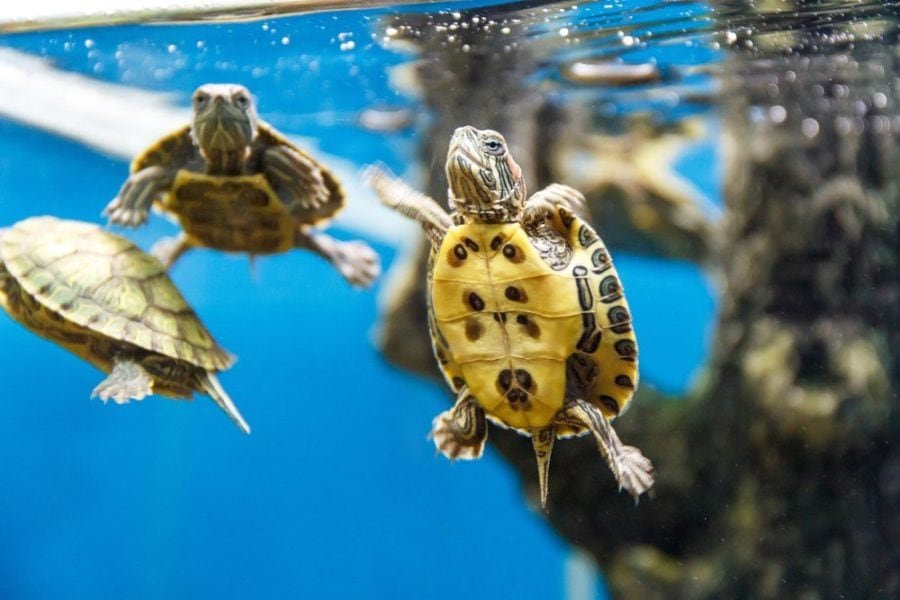
No—turtles should not eat bread. Bread is not a balanced turtle food, contributes little useful nutrition, and can displace the species-appropriate foods needed for healthy growth, shell development, and long-term health. Veterinary guidance recommends never feeding bread or other processed human foods to turtles.

Why bread is a poor food for turtles
The problem is not that one ingredient in ordinary bread acts as a turtle poison. The larger issue is nutritional mismatch. Bread is formulated for people and does not provide the calcium, protein quality, vitamins, fiber, and species-appropriate ingredients a turtle needs.
- It is nutritionally incomplete. Filling up on bread can reduce a turtle’s intake of balanced pellets, appropriate plants, and whole-food protein sources.
- It has an unsuitable mineral balance. Healthy bone and shell development depend on the whole diet, appropriate calcium, vitamin D metabolism, and correct UVB husbandry.
- It can foul aquatic habitats. Uneaten bread breaks apart and decays, increasing the organic load and placing more demand on the filter.
- Flavored breads add further risks. Garlic, onion, chocolate, raisins, excess salt, sweeteners, fats, and seasonings are not appropriate turtle foods.
A turtle accepting bread does not make it safe. Many turtles are opportunistic feeders and will investigate foods that do not meet their nutritional needs.
What to do after accidental bread ingestion
- Remove the remaining bread before it dissolves or is eaten again.
- Do not try to make the turtle vomit.
- Check the bread’s ingredient list, especially if it contained chocolate, raisins, onion, garlic, xylitol, heavy seasoning, or mold.
- Keep the enclosure at the correct species-specific temperature so normal digestion is supported.
- Resume the turtle’s normal balanced feeding schedule; do not compensate with extra food.
- Ask a reptile veterinarian or animal poison service for advice if the amount or ingredients concern you.
Young, very small, ill, or debilitated turtles deserve a lower threshold for veterinary advice. Persistent loss of appetite can also reflect temperature, UVB, water quality, infection, impaction, or another husbandry problem rather than the bread itself.
What should a pet aquatic turtle eat instead?
Diet depends on species, age, size, body condition, and health. Many commonly kept freshwater turtles eat more animal matter while young and become more omnivorous as they mature, but this pattern is not identical across every species.
A quality formulated staple
Choose a reputable pellet made for the turtle’s species or feeding type. Check the label, use an appropriate pellet size, and avoid relying on dried shrimp or treat mixes as the complete diet. A formulated food is a foundation, not permission to ignore dietary variety.
Appropriate plant foods
Depending on the species and life stage, suitable choices may include dark leafy greens such as collard, mustard, turnip, or dandelion greens, plus safe aquatic plants. Iceberg lettuce provides little nutrition. Wash produce and confirm that any collected plant is correctly identified, pesticide-free, legal, and nontoxic.
Appropriate animal foods
Species that require animal protein may be offered suitable invertebrates or other whole-food items under a veterinarian’s feeding plan. Do not base the diet on supermarket meat, processed meat, or wild-caught fish and amphibians, which can be nutritionally incomplete or carry parasites and pathogens.
Our turtle-food guide can help you compare formulated diets, but an exotic-animal veterinarian is the best source for a plan tailored to an individual turtle.
How much and how often?
There is no reliable universal portion rule for every turtle. Juveniles generally eat more frequently than adults, and feeding frequency varies by species and health. Follow the formulated food’s directions as a starting point, track body condition and growth, and adjust with a reptile veterinarian.
Overfeeding can create rapid, unhealthy growth and severe water-quality problems. Remove uneaten food promptly. Aquatic turtles must normally be in water to swallow, so follow species-specific feeding requirements rather than placing food on a dry basking platform.
Foods to avoid
- bread, crackers, cereal, pasta, chips, and baked goods;
- hot dogs, lunch meat, seasoned meat, and other processed foods;
- milk, cheese, yogurt, and other dairy products;
- candy, chocolate, desserts, and sugary drinks;
- moldy or spoiled food;
- cat or dog food as a routine staple;
- wild-caught prey that may carry contaminants or disease;
- any plant that has not been positively identified as safe.
Fruit is not an appropriate routine food for many aquatic species and can be high in sugar. Do not assume that a food considered healthy for people is suitable for a turtle.
Should you feed bread to wild or pond turtles?
No. Do not feed bread—or other human food—to wild turtles. Feeding can change natural behavior, concentrate animals in one place, degrade water quality, attract pests, and encourage turtles to approach roads or people. Wildlife may also be protected by local rules.
Observe wild turtles from a distance. Do not capture or relocate a healthy turtle simply to feed it. If a turtle is visibly injured or in immediate danger, contact a licensed wildlife rehabilitator or the relevant local wildlife authority.
Diet is only one part of shell health
A balanced diet cannot compensate for an unsuitable enclosure. Aquatic turtles also need clean, appropriately heated water, powerful filtration, a dry basking area, correct basking temperature, and species-appropriate UVB exposure. UVB output declines with age and is blocked by ordinary glass, so follow the lamp manufacturer’s placement and replacement instructions.
Shell softness, deformity, swelling, unusual buoyancy, nasal discharge, closed eyes, or prolonged appetite loss requires veterinary assessment. Avoid trying to correct an established shell disorder with unmeasured supplements.
Food hygiene and Salmonella
Turtles can carry Salmonella even when they look healthy. Wash your hands with soap and running water after feeding the turtle or touching its enclosure, water, food, or equipment. Keep turtle supplies away from kitchens and food-preparation areas, and supervise children carefully.
Frequently asked questions
Can a turtle have bread as an occasional treat?
No. There is no nutritional benefit that makes bread worth including. Use a small amount of an appropriate food from the turtle’s normal diet as a treat.
Can red-eared sliders eat bread?
No. Red-eared sliders need an age-appropriate balance of quality aquatic-turtle pellets, suitable plant foods, and appropriate animal foods—not bread or processed human food.
Can snapping turtles eat bread?
No. Snapping turtles have different natural feeding habits from sliders, but bread is still an unsuitable food. Pet snapping turtles require a species-specific plan, while wild individuals should be left to forage naturally.
Is whole-wheat bread safer than white bread?
No. Whole-wheat bread may differ nutritionally for people, but neither version is a balanced turtle food.
Is it better to skip one meal than offer bread?
For a healthy adult turtle, a delayed meal is generally preferable to substituting bread. Juveniles, sick turtles, and animals with special dietary needs should follow veterinary advice.
Key takeaway
Turtles should not eat bread. If a small accidental bite occurs, remove the rest, return to the normal diet, and monitor the turtle. Build routine feeding around the species, age, and health of the animal, using an appropriate formulated staple and suitable whole foods. Leave wild turtles unfed and contact a reptile veterinarian whenever symptoms or diet questions are significant.
This article provides general care information and does not replace advice from a veterinarian experienced with reptiles.