Baby Snapping Turtle Care: Safety, Housing and Diet

Baby Snapping Turtle

A baby snapping turtle is a wild animal or specialist reptile—not a beginner aquarium pet. The hatchling may be small, but it can grow into a large, powerful, long-lived turtle that requires extensive aquatic housing, heavy-duty filtration, safe handling procedures, and access to a reptile veterinarian.

If you found a healthy baby snapping turtle outdoors, the best response is usually to leave it where it is and keep people and pets away. Do not take it home. If it is visibly injured or in immediate danger, contact a licensed wildlife rehabilitator or local wildlife authority for instructions.

Before considering captive care: identify the species, check local possession and transport laws, confirm that the animal is captive-bred and legally documented, locate an experienced reptile veterinarian, and plan the adult enclosure—not just the hatchling tank.

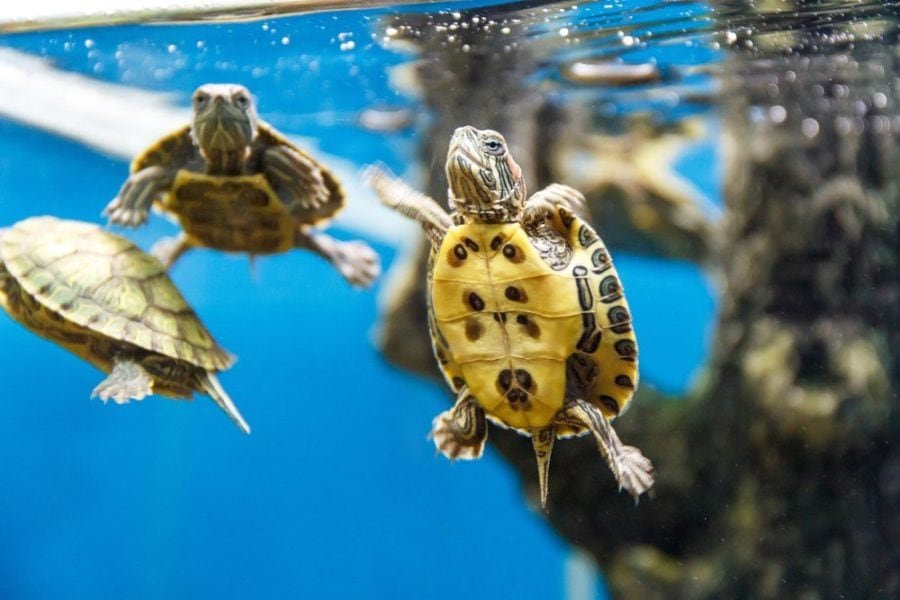
Young North American snapping turtle resting at the water surface

Identifying a baby snapping turtle

North American snapping turtles (Chelydra serpentina) have a large head, a long flexible neck, strong legs, webbed feet, a relatively small plastron underneath, and a long tail with a saw-toothed upper ridge. Hatchling shells are more strongly ridged than those of older adults.

Alligator snapping turtles belong to the genus Macrochelys. They have a more heavily sculptured shell with three prominent ridges and a worm-like lure on the tongue. Identification matters because adult size, distribution, conservation status, legal protection, and husbandry differ. Use a wildlife agency or qualified reptile professional rather than an image-search guess.

Should you keep a wild hatchling?

No. A wild hatchling belongs in its ecosystem. Taking it can be illegal, removes an animal from the breeding population, exposes the household to parasites and Salmonella, and creates a care commitment that may last for decades.

Do not move a healthy turtle to a pond that seems better, and never release a captive turtle. Relocation can spread disease, place the animal outside its home range, or introduce it where it is not native. If a hatchling is crossing a road and it is safe for you to help, seek local wildlife guidance and move it only in the direction it was already traveling.

Adult size changes everything

A tiny juvenile soon outgrows ordinary aquariums. Wildlife sources commonly report adult North American snapping-turtle carapaces around 8–16 inches, with powerful bodies and long necks adding substantially to the working space required. Alligator snapping turtles can become much larger.

There is no responsible universal “gallons per inch” formula for this animal. The enclosure must allow normal swimming, turning, surfacing, resting, and thermoregulation, while leaving safe clearance from heaters, plumbing, lids, and hands. Large custom tubs, indoor ponds, or legally compliant secure outdoor systems are often more realistic than glass tanks.

Housing priorities

Water depth and access to air

A young turtle must be able to reach the surface easily and rest near it without continuous swimming. Depth should be increased with the animal’s strength and ability, with stable structures that cannot trap or crush it. The enclosure must prevent escape: snapping turtles climb surprisingly well.

Filtration and water quality

Snapping turtles are messy feeders and produce a heavy waste load. Use robust mechanical and biological filtration with protected intakes. Keep ammonia and nitrite at 0 ppm, control nitrate with maintenance, remove uneaten food promptly, and condition tap water for chlorine and chloramine.

Size the system for adult waste production and real flow after media and plumbing losses. A filter advertised for a similarly sized fish aquarium may be inadequate for a large turtle.

Temperature, heat, and UVB

Do not rely on a single generic temperature range. Requirements depend on species, age, health, and origin. Ask a reptile veterinarian for a suitable water and basking-temperature plan and measure both with reliable instruments.

Provide an accessible, stable basking area and species-appropriate UVB when advised. Follow the lamp maker’s distance and replacement directions; ordinary glass and plastic can block UVB. Protect lamps and heaters from water, impact, and the turtle, and use electrical safety devices and drip loops.

Substrate and furnishings

A bare, easy-to-clean bottom may be safest in temporary juvenile housing. If substrate is used, avoid pieces the turtle can swallow and structures that can collapse. Smooth, stable hides and visual cover can reduce stress, but open swimming and turning space must remain.

What baby snapping turtles eat

Snapping turtles are omnivores. Wild juveniles eat small aquatic invertebrates, amphibian larvae, other suitable animal matter, and plant material. In captivity, a quality formulated aquatic-turtle diet can provide a consistent foundation, supplemented with suitable whole foods under veterinary guidance.

Do not feed only meat, fish fillets, dried shrimp, or live feeder fish. Muscle meat alone has an unsuitable calcium-to-phosphorus balance, and wild-caught or feeder animals can introduce parasites and disease. Bread, dairy, processed meat, and seasoned human food are inappropriate.

Food must be appropriately sized. Remove leftovers and monitor growth and body condition rather than feeding every time the turtle begs. See our evidence-based guide to wild and captive snapping-turtle diets.

Feeding frequency and supplements

Young turtles generally eat more frequently than adults, but a rigid schedule is unsafe without considering the species, size, body condition, diet, and water temperature. Follow the formulated food label as an initial guide and have a reptile veterinarian review growth.

Do not add calcium or vitamin supplements by guesswork. Deficiency is harmful, but excessive vitamin A, vitamin D, and minerals can also cause serious disease. UVB, dietary calcium, and temperature work together; one product cannot compensate for poor husbandry.

Can baby snapping turtles live together?

They should generally be housed separately. Competition, biting, food guarding, size differences, and unnoticed injuries make shared housing risky. Fish and other tank mates may be eaten, injured, or introduce disease. Adding fast fish does not make a safe community aquarium.

Safe handling

Handle only when necessary. Even a small turtle can bite, and an adult’s neck reaches much farther than many people expect. Never lift a snapping turtle by the tail because this can injure the spine and soft tissues. Do not use routine handling to try to “tame” it.

Ask a reptile veterinarian or trained wildlife professional to demonstrate a safe method for the identified species and size. Keep hands away from the head and front half of the shell, and never allow children to handle the animal.

Health monitoring

Record weight, appetite, activity, shell condition, water-test results, and measured temperatures. Arrange veterinary care for:

  • open-mouth breathing, nasal discharge, wheezing, or abnormal buoyancy;
  • swollen or closed eyes, mouth lesions, or inability to eat;
  • shell softness, ulcers, wounds, discharge, or foul odor;
  • persistent lethargy, weakness, swelling, or weight loss;
  • suspected ingestion of substrate, fishing tackle, or another foreign object.

Do not force-feed or medicate a hatchling without veterinary direction. If appetite declines, use our guide on responding when a turtle stops eating.

Hygiene and household safety

Turtles can carry Salmonella while appearing healthy. Wash hands with soap and running water after contact with the turtle, its food, water, or equipment. Keep the enclosure and cleaning equipment away from kitchens and food-preparation areas.

Reptiles are a poor fit for households with very young children, older adults, or people with weakened immune systems. Discuss household risk with a healthcare professional and reptile veterinarian.

Long-term planning

Before acquisition, budget for the adult enclosure, high-capacity filtration, water use, drainage, heating, UVB equipment, electricity, structural floor load, veterinary care, and emergency power. Confirm who will care for the turtle during travel and what will happen if the owner moves or can no longer manage it.

If rehoming becomes necessary, contact a licensed reptile rescue, zoo, wildlife agency, or veterinarian. Never release the animal or advertise it without checking local transfer rules.

Frequently asked questions

Can a baby snapping turtle live in a 10-gallon tank?

A very small hatchling may physically fit for brief, closely managed care, but a 10-gallon aquarium is not a responsible long-term plan. Water quality and temperature change quickly in small volumes, and the turtle will outgrow it. Plan the adult system before acquisition.

Do baby snapping turtles need land?

They are highly aquatic but should have an easy, stable route to a dry resting or basking area when the care plan calls for it. The design must prevent trapping and escape.

Are baby snapping turtles aggressive?

Snapping is defensive behavior, especially on land where the turtle cannot retreat easily. A calm juvenile can still bite suddenly. Treat every individual as capable of injury.

Where should I buy one?

First decide whether this specialist animal is appropriate and legal. If so, obtain only a legally documented, captive-bred animal from a transparent source—never a wild turtle. Verify the scientific name and adult requirements before paying.

Key takeaway

A baby snapping turtle is not a miniature version of an easy pet. Its adult size, bite risk, waste production, lifespan, legal status, and enclosure needs demand expert preparation. Leave healthy wild hatchlings where they belong; for legal captive-bred animals, build care around accurate identification, adult-scale planning, measured water quality, balanced nutrition, minimal handling, and reptile-veterinary support.

This article provides general information and does not replace advice from a reptile veterinarian or local wildlife authority.

What Do Snapping Turtles Eat? Wild and Captive Diet

What Do Snapping Turtles Eat

Snapping turtles are opportunistic omnivores. In the wild they eat aquatic plants, insects, crayfish, worms, mollusks, fish, amphibians, carrion, and occasional reptiles, birds, or small mammals. Plant material can form a meaningful part of the diet, so describing them as animals that need an all-meat menu is inaccurate.

A captive snapping turtle needs a measured, varied diet appropriate to its exact species, age, size, and health. It should not be fed wild-caught prey, processed meat, bread, or an unbalanced diet of muscle meat. Because these turtles become large, powerful, long-lived animals, captive care requires specialist planning and may be restricted by local law.

Wild turtle? Observe it from a safe distance and do not feed, capture, or relocate it. A snapping turtle on land may simply be moving between wetlands or a female may be seeking a nest site. Contact a wildlife authority or licensed rehabilitator only when the animal is injured or in immediate danger.

Close view of a North American snapping turtle in the water

What snapping turtles eat in the wild

North American snapping turtles (Chelydra serpentina) are both predators and scavengers. Government species accounts describe a broad diet that includes aquatic invertebrates, crayfish, fish, frogs, other reptiles, occasional birds and mammals, carrion, and vegetation. They take advantage of foods available in their habitat rather than relying on a single prey type.

Older turtles often wait motionless in cover and lunge at nearby prey, while juveniles may forage more actively for small invertebrates and amphibian larvae. Despite their reputation, research summarized by wildlife agencies indicates that predation on healthy waterfowl is often exaggerated.

Common versus alligator snapping turtles

The term “snapping turtle” may refer to different species. The North American snapping turtle belongs to the genus Chelydra. Alligator snapping turtles belong to Macrochelys, have a more heavily ridged shell and use a worm-like appendage on the tongue to lure prey.

These species differ in adult size, natural range, legal protection, housing, and feeding needs. Confirm the identification before applying captive-care advice. Never obtain a wild turtle or move one across regions; possession, transport, and sale rules vary.

What to feed a captive snapping turtle

A reptile veterinarian should help design the diet. A reputable, nutritionally complete pellet formulated for aquatic turtles can provide a consistent foundation. Appropriate variety may include species-suitable whole invertebrates and other foods that provide more than muscle meat alone, together with suitable plant material.

Suitable foundations

  • a quality formulated aquatic-turtle diet in an appropriate pellet size;
  • properly sourced whole invertebrates such as earthworms or selected aquatic invertebrates;
  • safe leafy greens and aquatic plants appropriate to the species and age;
  • other whole-food items recommended by a reptile veterinarian.

Use foods from reputable captive sources. Wild-caught fish, amphibians, insects, and other prey can carry parasites, pathogens, pesticides, fishing tackle, or environmental contaminants.

Foods to avoid

  • bread, crackers, cereal, and other processed human foods;
  • hot dogs, lunch meat, seasoned meat, and fatty scraps;
  • a routine diet of raw supermarket meat or boneless fillets;
  • cat or dog food as the staple diet;
  • wild-caught prey or live vertebrate prey;
  • moldy food, unidentified plants, or anything exposed to pesticides;
  • large pieces that could be difficult to swallow safely.

Read our guide explaining why turtles should not eat bread for safer alternatives.

How much and how often?

There is no dependable universal portion or schedule. Hatchlings and juveniles generally eat more frequently than adults, but their rapid growth also makes dietary balance particularly important. Adults need controlled portions that maintain healthy body condition without creating obesity or excessive waste.

Follow the formulated diet’s directions as a starting point, weigh the turtle regularly, and have a reptile veterinarian assess growth and body condition. Remove leftovers promptly. Do not feed heavily simply because a turtle continues to beg or strike at food.

Feeding baby snapping turtles

Young snapping turtles eat small animal foods and some plant material in nature. In captivity, food must be correctly sized and nutritionally complete. A pellet formulated for growing aquatic turtles, supplemented only with suitable foods under experienced guidance, is safer than trying to recreate a diet with random live prey.

Prevent excessively rapid growth. Poor calcium balance, incorrect UVB exposure, unsuitable temperature, and overfeeding can contribute to abnormal development. A hatchling that refuses food needs prompt husbandry checks and early veterinary advice; do not force-feed it.

Water, filtration, heat, and UVB matter

Diet cannot be separated from the enclosure. Snapping turtles produce substantial waste and require a very large, secure aquatic system with powerful mechanical and biological filtration. Keep ammonia and nitrite at zero, control nitrate with maintenance, and provide appropriate water depth, temperature, and structure for the turtle’s size and abilities.

Captive turtles also need a safe basking option and species-appropriate heat and UVB arrangements. UVB output and basking temperature must be measured and maintained according to veterinary and equipment guidance. A small aquarium that suits a hatchling will not remain suitable as the turtle grows.

Can snapping turtles eat fish?

Wild snapping turtles do eat fish, especially slow, small, injured, or dead fish, but fish are only one part of a broad omnivorous diet. A captive diet based heavily on fish can become nutritionally unbalanced, and some fish contain thiaminase, which can contribute to vitamin B1 deficiency when fed excessively.

Do not release feeder fish into the enclosure. They may introduce disease, injure or stress other animals, escape into waterways, or remain uneaten and add waste. Ask a reptile veterinarian whether any fish is appropriate for the individual animal.

Should you feed a wild snapping turtle?

No. Feeding wildlife can alter natural behavior, draw animals toward people and roads, concentrate them in polluted areas, and increase conflict. It can also expose the turtle to unsuitable food and expose the person to a severe bite.

Never hand-feed a snapping turtle. Its long neck can reach farther than many people expect, and its bite can cause serious injury. The safest interaction is distance.

Handling and relocation safety

Do not pick a snapping turtle up by the tail; this can injure its spine and soft tissues. Do not place hands near the head or front half of the shell. If a turtle must be moved from immediate road danger, contact a trained wildlife professional for local guidance. Keep it moving in the direction it was already traveling and never relocate it to a distant pond.

A pet snapping turtle should be handled only when necessary, using a method taught by an experienced reptile veterinarian or qualified keeper. Early handling does not make a large adult reliably tame.

A lifelong specialist commitment

Before acquiring any snapping turtle, investigate adult enclosure size, structural floor loading, water and drainage needs, electricity and heating safety, veterinary access, lifespan, local laws, and a responsible long-term care plan. Never release a captive animal into the wild.

If a captive turtle is no longer manageable, contact a licensed reptile rescue, wildlife agency, or veterinarian. Do not advertise it casually or transfer it without checking possession and transport rules.

Frequently asked questions

Do snapping turtles eat plants?

Yes. They are omnivores, and aquatic vegetation and other plant material can be a substantial part of the wild diet.

Do snapping turtles eat ducks?

They can take birds opportunistically, but wildlife authorities note that their reputation for heavy duckling predation is exaggerated. Fish, invertebrates, carrion, and plant material are also important foods.

Can snapping turtles eat fruit?

Fruit is not an essential staple for snapping turtles and is high in sugar. Do not add it routinely without species-specific veterinary guidance.

Can snapping turtles eat chicken?

Boneless chicken meat is not a balanced staple because it lacks the nutrient profile of a complete diet. Use an appropriate formulated food and veterinarian-approved variety instead.

What if a snapping turtle stops eating?

Check water and basking temperatures, UVB, water quality, stress, and the diet immediately. Appetite loss with breathing changes, swelling, abnormal buoyancy, wounds, eye or mouth problems, or weight loss needs prompt reptile-veterinary assessment. See our guide to turtle appetite loss and safe response.

Key takeaway

Wild snapping turtles eat a varied omnivorous diet and should be left to forage naturally. Captive animals need a measured, nutritionally complete diet supported by specialist housing, filtration, heat, UVB, and veterinary care. Avoid unbalanced meat-only feeding, wild-caught prey, processed food, and all hand-feeding of wild turtles.

This article provides general information and does not replace advice from a veterinarian experienced with reptiles or your local wildlife authority.
How Long Can a Turtle Go Without Eating? Safe Guidance

How Long Can a Turtle Go Without Eating

There is no single safe number of days a turtle can go without eating. Species, age, health, body condition, temperature, season, and husbandry all change the answer. A healthy adult may miss an occasional meal, but deliberate fasting is not appropriate care, and appetite loss can be an early sign of an environmental or medical problem.

Hatchlings, juveniles, underweight turtles, sick turtles, and animals that are not drinking need attention much sooner than a healthy adult. If your turtle unexpectedly stops eating, check its environment immediately and contact a reptile veterinarian if the cause is unclear or other symptoms are present.

Important: Survival estimates are not feeding schedules. Never cool a pet turtle or withhold food to make it tolerate an absence. Brumation is a specialized biological process—not ordinary fasting—and should be planned with an experienced reptile veterinarian.

Aquatic turtle resting partly above the water

When is a missed meal a concern?

Start by comparing the change with the animal’s normal pattern. Some healthy adults are fed every two or three days, while many growing turtles eat more frequently. One refused meal in an otherwise alert adult is different from several days of declining appetite in a hatchling.

Seek prompt veterinary advice when appetite loss occurs with:

  • open-mouth breathing, nasal discharge, wheezing, or increased breathing effort;
  • swollen or closed eyes, mouth lesions, or difficulty biting and swallowing;
  • marked lethargy, weakness, abnormal floating, listing, or inability to dive;
  • vomiting, regurgitation, diarrhea, constipation, or a swollen body;
  • shell softness, wounds, discoloration, discharge, or a bad odor;
  • rapid or continuing weight loss;
  • signs of dehydration, such as sunken eyes;
  • a very young, elderly, underweight, recently rescued, or medically vulnerable turtle.

Do not force-feed a dehydrated or sick reptile without veterinary direction. Assisted feeding can cause aspiration, injury, or further metabolic problems when the underlying condition has not been corrected.

Why turtles may stop eating

Incorrect temperature

Reptiles depend on environmental heat to regulate metabolism and digestion. Water or basking temperatures outside the species-appropriate range can suppress appetite. Measure temperatures with reliable thermometers rather than judging them by touch, and verify both the water and basking area.

Inadequate UVB or lighting

Many turtles require species-appropriate UVB exposure and a consistent day-night cycle. Ordinary glass and plastic can block UVB, and lamp output falls over time. Follow the lamp manufacturer’s distance and replacement guidance and make sure the turtle can bask without overheating.

Poor water quality

Aquatic turtles produce substantial waste. Test ammonia and nitrite, keep both at zero, control nitrate with maintenance, and use powerful biological and mechanical filtration. Incorrect water temperature, chlorine exposure, or a dirty habitat can contribute to stress and illness.

Stress or a recent change

Moving home, a new enclosure, excessive handling, aggressive tank mates, poor hiding opportunities, or constant disturbance can reduce feeding. Provide the correct enclosure and allow a newly arrived turtle time to settle while continuing to monitor it closely.

An unsuitable diet or feeding method

Diet varies by species and life stage. Many aquatic turtles need a quality formulated staple plus appropriate plant and animal foods. Aquatic turtles generally need water to swallow. Bread and processed human foods are not substitutes; see our guide on why turtles should not eat bread.

Illness, pain, parasites, or obstruction

Respiratory infection, mouth disease, eye problems, parasites, reproductive disease, impaction, organ disease, injury, and nutritional disorders can all affect appetite. A reptile veterinarian may need an examination, imaging, fecal testing, or bloodwork to identify the cause.

What to check today

  1. Identify the species. Do not apply red-eared slider advice to a box turtle, snapping turtle, or tortoise.
  2. Measure the environment. Record water, basking, and ambient temperatures, the lighting schedule, UVB lamp age and placement, and humidity where relevant.
  3. Test the water. Check ammonia, nitrite, nitrate, pH, and temperature in aquatic setups.
  4. Weigh the turtle. Use a digital scale and record weight consistently. Trend matters more than a single measurement.
  5. Review the diet. Confirm that foods, portion size, pellet size, and feeding frequency suit the species and age.
  6. Observe quietly. Note breathing, swimming, basking, eyes, mouth, shell, droppings, and interaction with tank mates.

Correct obvious husbandry faults gradually and safely. If appetite does not return promptly, or any warning sign is present, arrange a veterinary assessment rather than repeatedly changing foods.

Freshwater turtle swimming in a natural aquatic habitat

Hatchlings and juveniles

Growing turtles have smaller energy reserves and greater nutritional demands than adults. Do not use an adult’s tolerance for missed meals as a guide for a hatchling. Confirm temperature, UVB, water quality, and food size immediately, and seek experienced veterinary advice early if a young turtle refuses food.

Do not assume that a newly hatched turtle can be left unfed because it once absorbed a yolk reserve. Captive feeding should follow guidance for the identified species and developmental stage.

Brumation is not ordinary fasting

Some turtle and tortoise species naturally enter brumation, a seasonal period of reduced metabolism. Others should not be brumated. Health status, species, age, pre-brumation body condition, temperature, hydration, and monitoring all matter.

Never trigger brumation simply by lowering the enclosure temperature. Texas A&M veterinary guidance recommends that brumation be managed with an experienced keeper or veterinarian, with examinations before and after. Sick, injured, and young animals may be unsafe candidates.

Can a turtle go without water?

Do not use a survival estimate to deprive a turtle of water. Aquatic turtles need continuous access to clean water deep enough for normal swimming and swallowing, plus a safe dry basking area. Terrestrial species also need species-appropriate drinking and soaking access and correct humidity.

Dehydration can become dangerous before it is obvious. A veterinarian should direct fluid replacement in a weak or significantly dehydrated turtle.

Planning care while you are away

Arrange a reliable, reptile-competent caretaker rather than leaving extra food in the enclosure or releasing feeder animals. The caretaker should have written instructions, measured portions, emergency contacts, and permission to seek veterinary help.

  • Test heaters, filters, thermostats, timers, and lamps before departure.
  • Prepare labeled meal portions to prevent overfeeding.
  • Explain how to check temperatures, water level, equipment, behavior, and appetite each day.
  • Leave the reptile veterinarian’s contact details and transport plan.
  • Do not make a major enclosure or diet change immediately before travel.

Automatic feeders can jam, add too much food, or pollute the water and cannot recognize illness or equipment failure. They are not a substitute for a person checking the turtle.

How often should turtles normally eat?

Feeding schedules depend on species and age. As one common example, veterinary guidance for aquatic turtles notes that healthy juveniles may eat daily while adults may be offered an appropriate portion every two or three days. That is not a universal rule for every turtle or tortoise.

Use a high-quality, species-appropriate diet, monitor weight and shell development, and adjust portions with a reptile veterinarian. Overfeeding is not a safe way to “prepare” a turtle for a caretaker’s absence.

Frequently asked questions

Can an adult turtle survive a week without food?

Some healthy adults may physically tolerate that interval, but survival does not make planned fasting good husbandry. Species, temperature, hydration, health, and normal feeding frequency all matter. Arrange care rather than relying on a generalized estimate.

How long can a red-eared slider go without eating?

There is no safe universal maximum. An adult that refuses one scheduled meal may simply be uninterested, while continuing appetite loss can signal incorrect temperature, stress, poor water quality, or illness. Juveniles need faster attention.

Should I offer favorite treats to make the turtle eat?

First correct husbandry and identify the cause. Repeatedly offering high-fat treats can unbalance the diet and delay diagnosis. A veterinarian can advise whether appetite support or assisted feeding is appropriate.

Should I lower the temperature when my turtle will not eat?

No. Cooling can further slow digestion and immune function. Maintain the correct species-specific environment unless a reptile veterinarian is supervising a planned brumation protocol.

Key takeaway

Do not judge turtle care by the longest period the animal might survive without food. Unexpected appetite loss is a signal to check temperature, UVB, water quality, diet, stress, and health. Young, underweight, dehydrated, or symptomatic turtles need prompt help, and brumation should never be improvised.

This article provides general care information and does not replace examination or treatment by a veterinarian experienced with reptiles.

How Big Do Red-Eared Sliders Get? Adult Size and Growth

How Big a Red Eared Sliders Can Get

Red-eared sliders can reach about 12 inches in shell length, and females usually grow larger than males. A small turtle can become a large, long-lived pet, so choose its enclosure for adult size rather than the size it is today.

This guide explains the size difference between males and females, how to track growth, and how that translates into housing. Measurements refer to the shell, excluding the head and tail.

How big do male and female red-eared sliders get?

VCA’s aquatic turtle guide gives adult shell lengths averaging 7–9 inches for males and 10–12 inches for females. These are useful planning ranges, not a promise that every individual will reach exactly the same size.

  • Adult male: generally smaller, with longer front claws and a longer, thicker tail.
  • Adult female: generally larger and needs housing that accommodates that larger body.
  • Young turtle: sex can be difficult to determine. Do not buy a small enclosure on the assumption that a juvenile is male.

Adult sex differences are described in the Association of Reptilian and Amphibian Veterinarians’ slider care sheet. Ask a reptile veterinarian if you are unsure; size alone is not enough to identify sex.

Red-eared slider turtle

How fast will your slider grow?

There is no dependable one-inch-per-year schedule for every slider. Age, sex, nutrition, temperature and health affect growth, so a rigid age-to-size chart can create false expectations. Sexual maturity also does not mean that all growth has ended.

Keep a dated record of shell length and weight instead of trying to estimate age from appearance. Shell rings do not tell you a turtle’s age. If its hatch date is unknown, a measurement cannot establish an exact birthday.

How to measure shell length

  1. Use a ruler to measure a straight line from the front edge of the upper shell to the rear edge. Do not include the neck or tail or curve a tape over the shell.
  2. Support the turtle securely over a low, safe surface. Keep handling brief; do not pull out its limbs or head.
  3. Record the date, length and, if practical, weight on a suitable scale. Use the same method each time.

A monthly record is a practical way to follow a growing turtle without daily handling. Wash your hands after handling the animal or its equipment.

What adult size means for tank size

VCA’s housing guidance includes a planning minimum of 10 gallons of water per inch of shell, alongside adequate swimming dimensions and a dry basking area. On that basis, an 8-inch slider needs approximately 80 gallons of water and a 12-inch slider approximately 120 gallons.

Those figures describe water volume, not simply the aquarium’s advertised capacity. A partly filled 120-gallon tank does not contain 120 gallons of water. Check the usable swimming area, turning room, safe water depth, escape prevention and basking platform as well as the label. A healthy swimmer and a weak or injured turtle may need different arrangements.

Plan the stand, floor support, filtration and maintenance access before buying. A suitable stock tank can be an alternative to glass. Our turtle housing and upgrade guide explains why a ten-gallon tank is not a long-term slider home.

Support healthy growth without overfeeding

Do not try to make a turtle grow faster with extra protein or oversized meals. The Merck Veterinary Manual cautions against excessively rapid growth in young turtles. Use an age-appropriate, varied feeding plan, suitable UVB exposure, a dry heated basking area and clean water.

A soft or misshapen shell, weakness, weight loss or poor appetite warrants a reptile veterinarian’s assessment. Small size by itself cannot diagnose a deficiency. If feeding has changed, see our red-eared slider appetite guide.

Will a small tank keep a slider small?

A cramped enclosure is not a safe way to control adult size. Choose a home that fits the turtle rather than restricting its care to fit a tank. Sliders can live for decades, so include future housing and veterinary care in the commitment.

If you cannot provide enough space, contact a reptile rescue or veterinarian about responsible rehoming. Never release a pet turtle into a pond or stream: the US Geological Survey identifies pet releases and escapes as a major route by which sliders spread outside their native range.

Can Turtles Eat Bread? Safe Foods and What to Do

Can Turtles Eat Bread

No—turtles should not eat bread. Bread is not a balanced turtle food, contributes little useful nutrition, and can displace the species-appropriate foods needed for healthy growth, shell development, and long-term health. Veterinary guidance recommends never feeding bread or other processed human foods to turtles.

If your turtle ate a small piece: remove any remaining bread, return to its normal diet, and watch its appetite, activity, breathing, and droppings. A tiny accidental bite is not usually an emergency, but contact a reptile veterinarian if a large amount was eaten or the turtle develops swelling, repeated regurgitation, breathing trouble, marked lethargy, or stops eating.

Aquatic turtle swimming in clear water

Why bread is a poor food for turtles

The problem is not that one ingredient in ordinary bread acts as a turtle poison. The larger issue is nutritional mismatch. Bread is formulated for people and does not provide the calcium, protein quality, vitamins, fiber, and species-appropriate ingredients a turtle needs.

  • It is nutritionally incomplete. Filling up on bread can reduce a turtle’s intake of balanced pellets, appropriate plants, and whole-food protein sources.
  • It has an unsuitable mineral balance. Healthy bone and shell development depend on the whole diet, appropriate calcium, vitamin D metabolism, and correct UVB husbandry.
  • It can foul aquatic habitats. Uneaten bread breaks apart and decays, increasing the organic load and placing more demand on the filter.
  • Flavored breads add further risks. Garlic, onion, chocolate, raisins, excess salt, sweeteners, fats, and seasonings are not appropriate turtle foods.

A turtle accepting bread does not make it safe. Many turtles are opportunistic feeders and will investigate foods that do not meet their nutritional needs.

What to do after accidental bread ingestion

  1. Remove the remaining bread before it dissolves or is eaten again.
  2. Do not try to make the turtle vomit.
  3. Check the bread’s ingredient list, especially if it contained chocolate, raisins, onion, garlic, xylitol, heavy seasoning, or mold.
  4. Keep the enclosure at the correct species-specific temperature so normal digestion is supported.
  5. Resume the turtle’s normal balanced feeding schedule; do not compensate with extra food.
  6. Ask a reptile veterinarian or animal poison service for advice if the amount or ingredients concern you.

Young, very small, ill, or debilitated turtles deserve a lower threshold for veterinary advice. Persistent loss of appetite can also reflect temperature, UVB, water quality, infection, impaction, or another husbandry problem rather than the bread itself.

What should a pet aquatic turtle eat instead?

Diet depends on species, age, size, body condition, and health. Many commonly kept freshwater turtles eat more animal matter while young and become more omnivorous as they mature, but this pattern is not identical across every species.

A quality formulated staple

Choose a reputable pellet made for the turtle’s species or feeding type. Check the label, use an appropriate pellet size, and avoid relying on dried shrimp or treat mixes as the complete diet. A formulated food is a foundation, not permission to ignore dietary variety.

Appropriate plant foods

Depending on the species and life stage, suitable choices may include dark leafy greens such as collard, mustard, turnip, or dandelion greens, plus safe aquatic plants. Iceberg lettuce provides little nutrition. Wash produce and confirm that any collected plant is correctly identified, pesticide-free, legal, and nontoxic.

Appropriate animal foods

Species that require animal protein may be offered suitable invertebrates or other whole-food items under a veterinarian’s feeding plan. Do not base the diet on supermarket meat, processed meat, or wild-caught fish and amphibians, which can be nutritionally incomplete or carry parasites and pathogens.

Our turtle-food guide can help you compare formulated diets, but an exotic-animal veterinarian is the best source for a plan tailored to an individual turtle.

How much and how often?

There is no reliable universal portion rule for every turtle. Juveniles generally eat more frequently than adults, and feeding frequency varies by species and health. Follow the formulated food’s directions as a starting point, track body condition and growth, and adjust with a reptile veterinarian.

Overfeeding can create rapid, unhealthy growth and severe water-quality problems. Remove uneaten food promptly. Aquatic turtles must normally be in water to swallow, so follow species-specific feeding requirements rather than placing food on a dry basking platform.

Foods to avoid

  • bread, crackers, cereal, pasta, chips, and baked goods;
  • hot dogs, lunch meat, seasoned meat, and other processed foods;
  • milk, cheese, yogurt, and other dairy products;
  • candy, chocolate, desserts, and sugary drinks;
  • moldy or spoiled food;
  • cat or dog food as a routine staple;
  • wild-caught prey that may carry contaminants or disease;
  • any plant that has not been positively identified as safe.

Fruit is not an appropriate routine food for many aquatic species and can be high in sugar. Do not assume that a food considered healthy for people is suitable for a turtle.

Should you feed bread to wild or pond turtles?

No. Do not feed bread—or other human food—to wild turtles. Feeding can change natural behavior, concentrate animals in one place, degrade water quality, attract pests, and encourage turtles to approach roads or people. Wildlife may also be protected by local rules.

Observe wild turtles from a distance. Do not capture or relocate a healthy turtle simply to feed it. If a turtle is visibly injured or in immediate danger, contact a licensed wildlife rehabilitator or the relevant local wildlife authority.

Diet is only one part of shell health

A balanced diet cannot compensate for an unsuitable enclosure. Aquatic turtles also need clean, appropriately heated water, powerful filtration, a dry basking area, correct basking temperature, and species-appropriate UVB exposure. UVB output declines with age and is blocked by ordinary glass, so follow the lamp manufacturer’s placement and replacement instructions.

Shell softness, deformity, swelling, unusual buoyancy, nasal discharge, closed eyes, or prolonged appetite loss requires veterinary assessment. Avoid trying to correct an established shell disorder with unmeasured supplements.

Food hygiene and Salmonella

Turtles can carry Salmonella even when they look healthy. Wash your hands with soap and running water after feeding the turtle or touching its enclosure, water, food, or equipment. Keep turtle supplies away from kitchens and food-preparation areas, and supervise children carefully.

Frequently asked questions

Can a turtle have bread as an occasional treat?

No. There is no nutritional benefit that makes bread worth including. Use a small amount of an appropriate food from the turtle’s normal diet as a treat.

Can red-eared sliders eat bread?

No. Red-eared sliders need an age-appropriate balance of quality aquatic-turtle pellets, suitable plant foods, and appropriate animal foods—not bread or processed human food.

Can snapping turtles eat bread?

No. Snapping turtles have different natural feeding habits from sliders, but bread is still an unsuitable food. Pet snapping turtles require a species-specific plan, while wild individuals should be left to forage naturally.

Is whole-wheat bread safer than white bread?

No. Whole-wheat bread may differ nutritionally for people, but neither version is a balanced turtle food.

Is it better to skip one meal than offer bread?

For a healthy adult turtle, a delayed meal is generally preferable to substituting bread. Juveniles, sick turtles, and animals with special dietary needs should follow veterinary advice.

Key takeaway

Turtles should not eat bread. If a small accidental bite occurs, remove the rest, return to the normal diet, and monitor the turtle. Build routine feeding around the species, age, and health of the animal, using an appropriate formulated staple and suitable whole foods. Leave wild turtles unfed and contact a reptile veterinarian whenever symptoms or diet questions are significant.

This article provides general care information and does not replace advice from a veterinarian experienced with reptiles.

Can a Turtle Live in a 10-Gallon Tank? Housing and Upgrade Guide

Turtle in a 10-gallon tank

A 10-gallon tank is not a suitable long-term home for a red-eared slider or the other commonly kept aquatic turtles discussed here. A tiny hatchling fitting inside it does not make it a sound adult-housing plan. Buy for the species’ expected adult needs, including swimming space and a dry basking area.

If you already have a turtle in a ten-gallon aquarium, use this guide to plan an upgrade. Do not rely on a promise that the tank will last a year: growth, species, health and the layout determine when housing becomes inadequate.

Why ten gallons is misleading

The capacity printed on an aquarium assumes a full container. A turtle setup may hold substantially less water because it needs escape clearance and a dry area. Rocks and equipment also take up space. The useful swimming footprint matters as much as the nominal volume.

A large filter cannot create swimming room, and a small floating dock is not automatically a usable basking platform. Before buying a kit, ask whether an adult turtle could turn, swim, surface and climb out comfortably in the completed layout.

How much space should you plan for?

VCA’s aquatic turtle housing guidance, using red-eared sliders as its example, describes 10 gallons of water per inch of shell length as one planning guideline, alongside adequate swimming dimensions and a dry basking zone. This refers to water volume, not simply the aquarium’s label.

Under that guideline, a turtle with a 6-inch shell suggests roughly 60 gallons of water before allowing for the rest of the enclosure. It is a planning example, not a guarantee that every six-inch turtle belongs in the same setup. Confirm species, adult size and swimming ability with a reptile veterinarian.

MedVet’s aquatic turtle guide gives a 40–55-gallon enclosure example for a five-inch turtle. Both references illustrate why a ten-gallon starter tank should not be treated as a lasting solution.

Identify the turtle before deciding water depth

Red-eared sliders are not interchangeable with every turtle sold as a pet. Species differ in swimming ability, preferred habitat and adult size. A box turtle or tortoise needs a different housing approach altogether.

Do not automatically fill a deeper tank to the top when moving a weak, sick or unfamiliar turtle. Get species-specific guidance, provide secure access to the surface and avoid gaps where the animal could become trapped. An enclosure should prevent escape without blocking necessary ventilation.

What the replacement enclosure needs

  • Usable swimming space: sufficient length, width and appropriate depth for the individual.
  • A stable dry basking area: the turtle must be able to climb out and dry completely.
  • Suitable heat and UVB: these serve different functions; a decorative LED does not replace either.
  • Effective filtration: chosen for the actual water volume and the turtle’s waste load.
  • Safe construction: a support rated for the filled enclosure, secured equipment and no swallowable gravel or unstable rock piles.

Plan the whole enclosure before buying accessories. A cheap kit is not a saving if its tank, dock and lighting all need replacing immediately.

Heating and lighting: measure, don’t guess

MedVet lists adult aquatic-turtle water temperatures of about 75–80°F and a basking area around 85–90°F in its general guide. Treat these as reference points to discuss for the species and age you keep, not universal settings for every turtle. Measure water and basking temperatures separately.

Use reptile UVB equipment with positioning and replacement intervals appropriate to the product and animal. Ordinary glass between a UVB lamp and the turtle interferes with useful exposure. Follow the lamp’s distance, fixture and screen guidance rather than assuming one bulb strength or one mounting distance fits every enclosure. Provide a normal dark period instead of decorative colored lighting all night.

If your turtle is currently in a ten-gallon tank

  1. Confirm its identity and shell length. Arrange a reptile veterinary visit if the species or health is uncertain.
  2. Assess the immediate setup. Check water quality, measured temperatures, basking access and whether the turtle can move safely.
  3. Arrange appropriate larger housing promptly. A purpose-built enclosure or a suitable water-safe stock tank may be an option when a glass aquarium is impractical.
  4. Prepare equipment before moving the turtle. Check the filter, temperature controls, dry area and escape prevention.
  5. Seek responsible rehoming help if necessary. Contact a reptile rescue or veterinarian rather than releasing the animal outdoors.

Temporary medical or emergency housing should follow the veterinarian’s instructions. It is not an exception that makes a ten-gallon tank a recommended purchase for permanent care.

Keep water clean without destroying the filter

Remove uneaten food and waste promptly, test the water and adjust partial water changes to the actual conditions. Prepare replacement water appropriately and avoid abrupt temperature changes. A filter reduces the maintenance burden but does not eliminate it.

Do not routinely discard all biological filter media or scrub an occupied setup with household soap. Preserve established media during normal servicing and follow equipment instructions. Disinfection after disease requires a separate plan. Our filtration explanation covers the shared principle of biological waste processing; it is not a turtle-specific stocking formula. The rock-cleaning guide explains gentle routine cleaning and why unknown materials deserve caution.

US turtle ownership and hygiene

The FDA states that turtles with shells under four inches cannot be sold as pets in the United States. A tiny animal offered for sale is not evidence that a tiny aquarium is appropriate.

Healthy-looking turtles can carry Salmonella. Wash hands after contact with the turtle, its water or equipment; keep turtle supplies out of food-preparation areas and use dedicated cleaning equipment. Follow the FDA’s advice on protecting young children and other people at greater risk.

Choose the habitat before the turtle

Budget for adult housing, ongoing electricity, filtration, UVB replacement, food and veterinary care. Ten gallons may be useful for other aquarium projects, but it should not dictate which turtle you bring home. For general water and equipment concepts, see our aquarium basics hub, alongside a species-specific reptile care plan.

This research-based guide focuses on housing decisions. It does not claim personal testing of turtle kits or replace an examination of an unwell turtle.

Red-Eared Slider Not Eating? Causes, Checks and When to Call a Vet

Red-Eared Slider Not Eating

If your red-eared slider stops eating, check for illness before trying different treats. Cold water, an unsuitable setup, stress and feeding mistakes can affect appetite, but infection, injury or other disease can look similar. Food refusal alone does not identify the cause.

This guide helps you gather useful information and correct obvious husbandry problems. It cannot diagnose a sick turtle or replace an examination by a veterinarian who treats reptiles.

When to contact a veterinarian urgently

Seek prompt veterinary help if appetite loss occurs with any of these signs:

  • Gasping, open-mouth breathing, wheezing or discharge from the nose or mouth.
  • Listing to one side, abnormal floating, inability to dive or difficulty reaching air.
  • Severe weakness, little response to handling, swollen or closed eyes, or visible swelling around the head.
  • Weight loss, shell damage, bleeding, or straining with tissue protruding from the vent.

VCA’s guide to aquatic turtle diseases explains that respiratory disease and other illnesses can cause appetite loss and abnormal behavior. A turtle struggling to breathe or stay above water needs emergency advice; do not leave a weak animal unattended in deep water.

There is no universal safe number of days to wait. Contact a reptile veterinarian promptly for persistent food refusal, and sooner for a hatchling, an underweight turtle or any additional symptom. Do not use claims that turtles can survive weeks without food as a reason to delay care.

Red-eared slider turtle

1. Measure water and basking temperatures

Check actual temperatures with thermometers rather than relying on a heater dial or how the water feels. Measure the swimming water and the basking area separately, including after the lights have been running.

MedVet’s aquatic turtle care guide gives adult water temperatures of 75–80°F, warmer water of 82–85°F for hatchlings, and a basking area of 85–90°F. These are reference ranges to discuss with your veterinarian for your turtle’s age and condition, not a reason to overheat an ill animal.

Replace failed equipment and restore the appropriate temperature steadily. Never pour hot water over the turtle or use a hot bath as an appetite or constipation treatment. Avoid heat rocks, which can cause burns.

2. Check the dry platform and UVB lighting

The turtle must be able to climb out and dry its whole shell on a stable basking platform. Heat and UVB have different jobs: an ordinary light or a warm room does not necessarily provide either in the right place.

Check the UVB lamp model, installation distance, obstructions and replacement schedule against its manufacturer’s instructions. Visible light does not prove that a lamp still supplies adequate UVB. Glass between the lamp and turtle blocks useful UVB. Keep a consistent daytime lighting schedule and a dark period at night.

For enclosure planning, see our turtle housing and upgrade guide.

3. Check water quality and sources of stress

Look for leftover food, waste buildup, a stopped filter or overdue maintenance. Clear-looking water can still contain waste. Test the water, remove uneaten food and make appropriate water changes using conditioned replacement water at a similar temperature.

Reduce unnecessary handling and keep the enclosure quiet. Watch for another turtle chasing, biting or preventing access to food or the basking platform; separate animals safely if this occurs. A recent move may disrupt feeding, but it does not rule out illness.

4. Review how and what you feed

Offer food in water, where red-eared sliders swallow it, rather than leaving the meal on a dry platform. Check that pellets are suitable for aquatic turtles, fresh and an appropriate size. Offer a modest portion of familiar food and record whether it is actually eaten.

VCA’s feeding guide describes sliders as omnivores whose diets change with age. A balanced plan includes suitable commercial turtle food and plant foods, with age-appropriate animal foods. A dried-shrimp-only diet is not balanced. Adults need a different schedule from rapidly growing juveniles; repeated extra meals can confuse your assessment of appetite.

Do not keep escalating to treats or force the mouth open. If the turtle seems interested but cannot grasp or swallow food, report that distinction to the veterinarian.

Other causes need an examination

Pender Veterinary Centre lists parasites, swallowed substrate, reproductive problems and beak injuries among possible causes of food refusal. These cannot be reliably distinguished at home. Repeated straining or suspected swallowed gravel needs professional advice, not a laxative or hot bath.

Do not give antibiotics, vitamin injections or high-dose supplements without a diagnosis. Vitamin A overdose is possible. Calcium blocks in the water and carbonated water are not treatments for appetite loss.

Do not assume winter inactivity is harmless brumation. Indoor pet sliders should have stable, appropriate conditions; a turtle becoming cold and inactive needs its setup and health reviewed.

What to record before the appointment

  • Last confirmed meal, foods offered and the usual feeding schedule.
  • Shell length, approximate age and recent weights if available.
  • Measured water and basking temperatures, UVB model and lamp age.
  • Water-test results, maintenance changes, new tankmates and recent moves.
  • Photos or short videos of breathing, swimming, the shell and the whole enclosure.

Our slider size and growth guide explains shell measurements. Follow the clinic’s instructions for transport, and wash your hands after handling your turtle or tank equipment.

Best Aquatic Turtle Food: 5 Current Options

Best Aquatic Turtle Food: 5 Current Options

The best food for an aquatic turtle is a correctly sized, life-stage-appropriate staple pellet—not a jar of dried shrimp marketed as a complete diet. Species, age and adult size still matter, and healthy feeding also depends on clean water, appropriate heat, UVB exposure and a usable basking area.

Aquatic turtle eating a balanced species-appropriate diet
A balanced staple pellet should form the reliable base of the diet, with other suitable foods providing variety.
Quick recommendation: Tetra ReptoMin Floating Food Sticks are a dependable general staple for many commonly kept aquatic turtles. Zoo Med’s stage-specific formulas are better when you want pellet size and protein level matched to a hatchling, growing turtle or large adult.

Quick comparison

Food Best use Type Buying option
Tetra ReptoMin General aquatic-turtle staple Floating sticks Check on Amazon
Zoo Med Growth Formula Growing turtles 2–6 inches Floating pellets Check on Amazon
Zoo Med Maintenance Formula Large adults 6 inches and over Floating pellets Check on Amazon
Fluker’s Buffet Blend Pellet-based variety Pellets with dried items Check on Amazon
Saki-Hikari Turtle Premium daily pellet Floating pellets View manufacturer

Formulas and package sizes can change. Match the label to your turtle’s species and life stage and check the live listing before ordering.

1. Tetra ReptoMin Floating Food Sticks

Best for: a widely available everyday staple for many aquatic turtles.

ReptoMin sticks float, making them easy for surface-feeding turtles to locate and allowing uneaten food to be removed. The stick format can be broken into smaller pieces where appropriate. Treat the label as the starting point and adjust feeding to the animal’s size, condition, activity and water temperature.

The 2025 FDA recall applied only to one lot—951790—of the separate ReptoMin 3-In-1 Select-A-Food product, not to other lots or product lines. Never use a recalled lot, and wash hands and feeding equipment after handling reptile food or aquarium water.

Check ReptoMin on Amazon   FDA recall details

2. Zoo Med Natural Aquatic Turtle Food—Growth Formula

Best for: growing aquatic turtles with shells approximately 2–6 inches long.

Zoo Med makes separate hatchling, growth and maintenance formulas. The Growth Formula uses a medium floating pellet and a higher protein level than the adult Maintenance Formula, making the life-stage distinction more useful than a vague “all turtles” label. Choose the package whose product name and pellet size match the animal in front of you.

Check Growth Formula on Amazon   Manufacturer guidance

3. Zoo Med Natural Aquatic Turtle Food—Maintenance Formula

Best for: large adult aquatic turtles around 6 inches or more in shell length.

The Maintenance Formula has larger 5/16-inch floating pellets and a manufacturer-listed analysis of 25% minimum crude protein, 5% minimum fat and 1.3–1.7% calcium. It is intended for adult maintenance rather than rapid juvenile growth. Owners of small species or younger turtles should choose the appropriate smaller-pellet formula instead.

Check Maintenance Formula on Amazon   Manufacturer nutrition details

4. Fluker’s Buffet Blend Aquatic Turtle Formula

Best for: adding convenient variety while retaining fortified pellets.

Buffet Blend combines vitamin-enriched pellets with freeze-dried shrimp and mealworms. It is preferable to feeding a container of dried shrimp alone because pellets remain part of the mixture. Selective turtles may pick out only the treats, however; if that happens, return to a consistent staple pellet and offer treats separately in limited amounts.

Check Fluker’s Buffet Blend on Amazon

5. Saki-Hikari Turtle

Best for: a premium floating daily diet.

Saki-Hikari Turtle is a balanced floating food with added calcium and vitamin D3. Hikari also includes its Hikari-Germ microorganism culture. Pellet size and the turtle’s feeding behavior still matter more than marketing features, and the product should be stored dry and replaced if it becomes damp, moldy or rancid.

An exact current Amazon offer was not verified, so the link goes to the manufacturer rather than to a similar or incorrect product.

View Saki-Hikari Turtle details

How to choose aquatic turtle food

Start with the species

“Turtle” covers animals with very different natural diets. Sliders, painted turtles, map turtles, musk turtles and softshells do not have identical requirements, and terrestrial box turtles and tortoises should not be fed from an aquatic-turtle roundup. Confirm the species before building a diet.

Match the life stage and pellet size

Young aquatic turtles often consume proportionally more animal matter and protein, while many species become more plant-oriented as they mature. A pellet should be small enough to swallow safely. Do not use rapid growth as the sole sign of good nutrition; steady development, body condition and shell quality are more useful.

Use treats as treats

Dried shrimp, mealworms and similar foods are palatable but should not displace a formulated staple. Suitable leafy greens and aquatic plants may be important for omnivorous adults, while occasional appropriate invertebrates can add enrichment. Avoid processed human food, seasoned meat and wild prey exposed to pesticides or parasites.

How much and how often?

There is no reliable universal scoop size. Follow the exact food’s directions, account for species and age, and remove leftovers promptly. Juveniles generally eat more frequently than adults. Overfeeding causes obesity and rapidly degrades water quality; persistent refusal to eat can indicate low temperature, stress, poor water conditions or illness rather than simple fussiness.

Monitor body condition and weight where practical. If growth, shell shape, buoyancy, eyes, appetite or droppings seem abnormal, consult a veterinarian experienced with reptiles.

Food cannot replace husbandry

Calcium in a pellet cannot compensate for inadequate UVB exposure, incorrect basking temperatures or the absence of a fully dry basking site. Maintain clean, appropriately heated water, powerful biological filtration, a safe heat source and UVB lighting positioned and replaced according to its manufacturer. These factors work together with diet to support shell and skeletal health.

Wash hands with soap after feeding, cleaning or touching a turtle or its habitat. Reptiles can carry Salmonella even when they appear healthy; supervise children and keep turtle equipment away from food-preparation areas.

Frequently asked questions

Can turtles live on dried shrimp?

No. Dried shrimp are better treated as an occasional extra, not a complete staple diet.

Do all aquatic turtles need vegetables?

No single rule fits every species or age, but many commonly kept omnivorous turtles benefit from increasing suitable plant matter as they mature. Research the exact species.

Can fish food be used instead?

A small amount is unlikely to be an emergency, but fish food is not formulated as a long-term complete diet for turtles. Use a suitable turtle staple.

Final verdict

Tetra ReptoMin is the best straightforward general staple here. Zoo Med’s Growth and Maintenance formulas make life-stage selection clearer, while Saki-Hikari is a premium alternative. Fluker’s Buffet Blend is best used by turtles that eat the fortified pellets as well as the dried ingredients—not as permission to select only treats.

Affiliate disclosure: Aquarium Hunter may earn a commission from qualifying Amazon purchases, at no additional cost to you. Recommendations are matched to the exact products discussed.

Best Filters for Turtle Tanks: 5 Current Options

Turtle in a 10-gallon tank

Disclosure: Aquarium Hunter may earn a commission from qualifying purchases made through links on this page, at no extra cost to you.

Aquatic turtles produce much more solid waste than a lightly stocked fish aquarium. The best turtle-tank filter therefore needs generous mechanical-media capacity, dependable biological filtration, easy maintenance and an intake that works at the habitat’s actual water depth. For most full-size turtle aquariums, a canister filter is the most practical choice.

Aquatic turtles swimming in a filtered aquarium
A strong filter helps manage turtle waste, but it does not replace partial water changes, substrate cleaning or an appropriately sized habitat.

Quick comparison

Filter Manufacturer aquarium rating Best for Buying option
Fluval 407 50–100 gal Best all-round canister Check on Amazon
Fluval FX4 Up to 250 gal Large, heavily stocked turtle habitats Check on Amazon
Penn-Plax Cascade 1000 Elite Confirm current model rating Value canister option Check on Amazon
Zoo Med Turtle Clean 50 Turtle habitats up to 50 gal Purpose-built smaller turtle setup Check on Amazon
Tetra ReptoFilter 125 GPH Check habitat volume and water depth Shallow juvenile or small-species setups Check on Amazon

Rating caution: a fish-aquarium capacity printed on a box is not a promise that the filter can manage the waste of a turtle in a tank of that size. Compare actual circulation, media volume, intake-depth requirements and maintenance access, and choose generous capacity.

Best filters for turtle tanks

1. Fluval 407 — best overall

The Fluval 407 balances useful media capacity with manageable size. Fluval rates it for 50–100-gallon aquariums, with 383 GPH pump output, 245 GPH stated filter circulation and 4.2 liters of basket volume. Multiple baskets let you separate coarse mechanical media, finer pads and durable biological media.

It is a strong fit for a medium turtle habitat when the installed water depth and plumbing allow the canister to prime and operate correctly. As waste accumulates, real flow will fall, so clean the mechanical stages before they become packed without sterilizing all biological media.

Check the Fluval 407 on Amazon · See Fluval specifications

2. Fluval FX4 — best for a large, messy setup

The FX4 offers substantially more canister and mechanical-media area for a large turtle aquarium. Fluval lists a 700 GPH pump output, 450 GPH filter circulation, 3.7-gallon canister volume and 1-gallon biological-media volume. The utility valve can also help with controlled water removal during maintenance.

This filter is physically large and produces meaningful current. Check cabinet clearance, hose routing, outlet placement and the turtle’s ability to rest and swim without being pushed continuously. Manufacturer aquarium ratings should still be treated conservatively for turtles.

Check the Fluval FX4 on Amazon · See Fluval specifications

3. Penn-Plax Cascade 1000 Elite — value canister option

The Cascade 1000 Elite is a multi-basket external canister that provides space for staged mechanical, biological and optional chemical media. It can be a useful lower-cost alternative to premium canisters for a medium habitat.

Penn-Plax sells several Cascade sizes with similar names. Confirm the exact model, current flow and aquarium rating, included media, hose dimensions and replacement-part availability before ordering. Size for the turtle’s adult habitat, not only its current juvenile tank.

Check the Penn-Plax Cascade 1000 Elite on Amazon

4. Zoo Med Turtle Clean 50 — purpose-built compact canister

Zoo Med designed the Turtle Clean 50 for turtle tanks, tubs and similar habitats up to 50 gallons. The company lists 200 GPH, mechanical, biological and chemical media, easy priming and an included spray bar.

This model is useful when a standard aquarium canister’s intake arrangement does not suit a smaller turtle setup. Zoo Med says the motor head should be level with or below the waterline, so confirm that the planned water depth and stand position meet the installation requirements.

Check the Zoo Med Turtle Clean 50 on Amazon · See Zoo Med setup and maintenance guidance

5. Tetra ReptoFilter 125 GPH — for shallow smaller habitats

The internal Tetra ReptoFilter is intended for terrariums and turtle setups where a conventional canister intake may not work at the lower water level. Its 125 GPH rating and compact internal design suit a smaller habitat or juvenile setup rather than a large adult turtle aquarium.

Internal filters occupy swimming space and hold less waste than large canisters, so expect more frequent service. Guard the cord and installation so a turtle cannot dislodge the filter, become trapped or rest against an unsafe intake.

Check the Tetra ReptoFilter 125 GPH on Amazon

How to size a turtle filter

Start with the adult habitat

Identify the turtle species and expected adult shell size before choosing the tank or filter. Many commonly sold aquatic turtles grow far larger than buyers expect. A filter purchased for a small juvenile enclosure may become inadequate quickly.

Favor media capacity over headline flow

High flow helps carry waste to the intake, but a turtle filter also needs room to trap solids without clogging and to support a stable biofilter. Compare basket volume, sponge area and maintenance access. Advertised pump output is measured under favorable conditions; real circulation falls with hose height, media and accumulated debris.

Check minimum operating water depth

A turtle habitat may be only partly filled to provide a basking area or prevent escape. Canister filters depend on specific intake and canister placement for priming. Internal filters also have minimum and maximum waterline requirements. Follow the exact model’s instructions.

Control the current

Strong circulation should not pin a turtle against a surface or prevent it from resting. Aim outlets along a wall, use a spray bar where approved, and leave calm areas. Never improvise a restriction that overheats the motor or creates unsafe suction.

Recommended media arrangement

  1. Coarse mechanical foam first to collect food pieces, shed skin and large waste.
  2. Finer mechanical media to polish smaller suspended particles.
  3. Durable biological media in oxygenated flow after most solids are removed.
  4. Optional carbon or specialty media only for a defined purpose and according to its instructions.

Carbon can help with odor or removing certain medications after treatment, but it is not a substitute for an established biological filter or water changes. Zeolite and ammonia-binding products have finite capacity and should not be used to avoid cycling the habitat.

Maintenance without losing the biofilter

Turtle filters collect solids quickly. Inspect flow and service mechanical media before it becomes heavily clogged. Rinse reusable sponges in removed tank water and replace fine disposable pads when they break down. Biological media usually needs only gentle partial rinsing when debris restricts flow.

Do not replace every sponge, cartridge and biological medium on the same day. Beneficial microorganisms live on these surfaces, and removing them can cause ammonia or nitrite to rise. Test both after major maintenance, a long power interruption or any unexplained change in water quality.

Filtration does not replace water changes

A filter converts and traps waste; it does not remove everything from the system. Perform regular partial water changes, siphon settled debris and remove uneaten food. Use a conditioner appropriate for chlorine or chloramine in the source water and match the replacement-water temperature reasonably closely.

Frequency depends on habitat volume, turtle size, feeding and test results. Ammonia and nitrite should remain at zero in a cycled habitat. Rising nitrate, odor or cloudy water calls for testing and corrective maintenance rather than a fragrance or clarifying product.

Installation and electrical safety

  • Use a GFCI/RCD-protected outlet and form drip loops in all cords.
  • Keep power connections dry and unplug equipment before putting hands in the water.
  • Secure intakes, outlets and hoses so a strong turtle cannot detach them.
  • Use an intake guard and inspect it for blockage; protect small turtles from unsafe suction.
  • Keep the filter accessible—equipment that is difficult to service is more likely to be neglected.
  • Never run a canister or submerged motor dry.

Frequently asked questions

Does a turtle tank really need a filter?

Yes. A filter is essential for dependable mechanical and biological waste processing, but it must be combined with water changes and cleaning.

Can I use a fish-tank filter for a turtle?

Yes, if it works at the habitat’s water depth, offers generous real-world capacity and can be installed safely. Manufacturer fish-aquarium ratings should be treated conservatively because turtles create a heavy waste load.

How often should I clean a turtle filter?

Clean mechanical stages when flow declines or collected debris begins to accumulate substantially. The interval varies with the turtle, tank and filter. Preserve biological media and never wait until the filter is completely blocked.

Can I turn the filter off at night?

No. Biological filtration needs continuous oxygenated flow. Extended shutoff can damage the biofilter and allow stagnant water to develop inside a canister.

Our verdict

The Fluval 407 is the most balanced option for a medium turtle habitat. The Fluval FX4 provides substantially more media capacity for a large or heavily stocked setup, while the Zoo Med Turtle Clean 50 is the best purpose-built compact choice. Size every filter for the adult animal and actual installation rather than trusting the box rating alone.