Best Aquarium Power Filters: 5 Current HOB Filters Compared

Best Aquarium Power Filters: 5 Current HOB Filters Compared

Disclosure: Aquarium Hunter may earn a commission from qualifying purchases made through links on this page, at no additional cost to you. Recommendations are based on filtration design, maintainability, current manufacturer documentation, and suitability—not commission size.

The best aquarium power filter is one that fits the tank, supports a stable biological filter, offers enough mechanical media for the fish’s waste load, and remains easy enough to maintain consistently. For most freshwater community aquariums, a hang-on-back (HOB) power filter is a practical balance of performance, access, and price.

After removing discontinued, mismatched, and poorly supported choices from the old list, these five current filters remain worth comparing. Our most flexible recommendation is the Fluval AquaClear/AC platform; the Fluval C4 is the stronger choice for clearly separated filtration stages, while the Aqueon QuietFlow is convenient when automatic restart is a priority.

Best aquarium power filters: quick comparison

Filter Best for Media style Flow control Main tradeoff
Fluval AquaClear 110 Large aquariums and reusable media Open media basket Yes Large unit; must be primed after service
Fluval C4 Organized multi-stage filtration Separate mechanical, chemical, and biological stages Yes More parts to clean
Aqueon QuietFlow 75 LED PRO Easy restart and cartridge convenience Cartridge plus biological grid Model-dependent More reliance on proprietary consumables
Tetra Whisper 60 Basic filtration for a larger community tank Cartridge-based Limited Less media customization
Marina Slim S15 Small tanks with limited rear clearance Compact cartridge system Yes Lower media capacity

Manufacturer tank ratings are starting points, not stocking guarantees. Choose from the exact model’s specifications and increase filtration capacity for messy fish, heavy stocking, or unusual tank dimensions. Never use a stronger current that prevents fish from resting or swimming normally.

1. Fluval AquaClear 110: best for flexible reusable media

The AquaClear 110 is the established large-tank version of Fluval’s HOB platform. Its open basket holds foam, activated carbon, and BIOMAX separately, allowing each stage to be accessed without discarding everything at once. That is an important advantage: biological media can remain established while mechanical foam is rinsed.

Fluval rates the AquaClear 110 for 60–110 US gallons and provides adjustable flow. The official AquaClear line includes smaller models, so select the version matched to your aquarium rather than buying the 110 for every setup. The waterfall return improves surface movement, but the water level must be kept high to reduce splashing and noise.

Best features

  • Large, accessible media basket.
  • Reusable foam and separate biological media.
  • Adjustable output for different fish and feeding conditions.
  • Replacement parts and media remain documented by the manufacturer.

Limitations

  • The 110 requires substantial clearance behind the aquarium.
  • Like many conventional HOB filters, it may need to be refilled and primed after cleaning or a power interruption.
  • Its intake requires a sponge prefilter for shrimp, fry, or long-finned fish.
Fluval AquaClear 110 hang-on-back aquarium power filter
The AquaClear 110 uses a large basket with independently serviceable filter media.

Check AquaClear 110 on Amazon

2. Fluval C4: best organized multi-stage filter

The Fluval C4 separates filtration into two mechanical stages, one chemical stage, and two biological stages. Fluval rates it for aquariums up to 70 US gallons, with a stated 120-volt circulation rate of 264 US gallons per hour. A cleaning indicator helps identify a clogged mechanical pad, although it does not replace routine visual checks.

The C4 is a good match for keepers who want each filtration role clearly defined. Its wet/dry biological area receives oxygen-rich water, and the adjustable output can extend media contact time. The tradeoff is complexity: more trays, pads, screens, and channels require careful cleaning than a simple open basket.

Best features

  • Clearly separated mechanical and biological stages.
  • Adjustable flow and documented model specifications.
  • Mechanical pad slides out for rinsing.
  • Good choice when you prefer organized media rather than a single cartridge.

Limitations

  • Higher maintenance complexity than simpler HOB filters.
  • Replacement pads and parts must match the C-Series model.
  • Maximum rim thickness should be checked before purchase; Fluval lists 1 1/8 inches for the C4.
Fluval C4 multi-stage aquarium power filter
The Fluval C4 separates mechanical, chemical, and biological filtration into accessible stages.

Check Fluval C4 on Amazon

3. Aqueon QuietFlow 75 LED PRO: best for automatic restart

The Aqueon QuietFlow 75 LED PRO uses an internal pump that is designed to self-prime and restart automatically after power returns. That convenience is useful for an aquarium that may experience short outages, although every filter should still be checked after power restoration.

Aqueon describes five filtration stages, including floss, activated carbon, a biological holder and grid, and space for a specialty pad. The LED indicator responds to restricted water flow through the cartridge; it is a maintenance reminder, not a water-quality monitor.

Best features

  • Self-priming internal pump.
  • Simple cartridge removal and broad model range.
  • Permanent biological surfaces are separate from the disposable floss cartridge.
  • Current manufacturer documentation and replacement media.

Limitations

  • Ongoing cartridge cost.
  • Replacing all media together can remove useful bacteria; keep the permanent biological grid wet and do not replace it routinely.
  • The LED does not measure ammonia, nitrite, nitrate, or filter maturity.
Aqueon QuietFlow 75 LED PRO aquarium power filter
Aqueon’s QuietFlow LED PRO emphasizes automatic restart and cartridge-based maintenance.

Check Aqueon QuietFlow 75 LED PRO on Amazon

4. Tetra Whisper Power Filter 60: best straightforward large-tank option

The Tetra Whisper 60 is a basic three-stage HOB filter marketed for aquariums up to 60 US gallons. Its simple cartridge system is approachable for a new keeper, and the model remains available through major retailers.

This filter works best for someone who values straightforward replacement media over customization. The downside is reduced flexibility and the temptation to replace a complete cartridge on a calendar. When the cartridge contains an established bacterial population, rinse reusable portions gently in removed aquarium water and avoid changing every biological surface at once.

Best features

  • Simple installation and familiar replacement cartridges.
  • Twin-sided design on the 60-gallon model distributes intake and return flow.
  • Widely available consumables.

Limitations

  • Less media flexibility than AquaClear or Fluval C-Series baskets.
  • Cartridge costs accumulate.
  • Model rating may be optimistic for heavily stocked or high-waste aquariums.
Tetra Whisper 60 hang-on-back aquarium power filter
The Tetra Whisper 60 is a straightforward cartridge-based filter for larger community aquariums.

Check Tetra Whisper 60 on Amazon

5. Marina Slim S15: best for a compact aquarium

The Marina Slim S15 has a narrow body and adjustable flow, making it useful when rear clearance is limited or a gentler current is needed. Its compact size is also its main constraint: media volume is modest, so it suits an appropriately stocked small aquarium rather than a messy or crowded tank.

Confirm the exact S15 model, voltage, aquarium rating, and included cartridges on the retailer page before buying. Product variants and regional electrical specifications can differ.

Best features

  • Slim profile.
  • Adjustable flow.
  • Easy access for routine cleaning.

Limitations

  • Small media capacity.
  • Cartridge-dependent design.
  • Not appropriate as the only filter for large, messy fish.
Marina Slim S15 compact aquarium power filter
The Marina Slim S15 trades media volume for a compact profile and adjustable flow.

Amazon listing currently unavailable; review retained for readers comparing an existing or locally available unit.

How we selected these filters

We prioritized models that remain available, have current manufacturer or retailer documentation, and represent meaningfully different use cases. We compared:

  • Mechanical and biological media capacity.
  • Ability to service one stage without discarding the entire bacterial colony.
  • Flow adjustment and suitability for delicate livestock.
  • Restart behavior after cleaning or power loss.
  • Availability of compatible media, parts, and instructions.
  • Clear limitations, including clearance, noise, cartridge cost, and maintenance complexity.

We removed the old Marineland Emperor and Penguin listings because their linked versions were not reliably available, the Penn-Plax entry lacked enough verified detail to outrank the current choices, and the Aqueon internal filter did not belong in a HOB comparison. The Green Killing Machine was also removed because a UV sterilizer is a specialized water-clarifying device, not a general substitute for a properly sized mechanical and biological filter.

How to size a power filter

Do not choose by tank gallons alone. Consider adult fish size, stocking, feeding, plant debris, substrate, and how often you can service the filter. A lightly stocked planted aquarium and a goldfish aquarium of the same volume have very different waste loads.

Manufacturer “up to” ratings are useful for comparing models within a product line, but they assume conditions that may not match your tank. When uncertain, choose more media capacity and distribute the flow safely. Two filters can provide redundancy and better circulation in a long aquarium, but both still require maintenance.

Check physical fit

Measure the aquarium rim, distance to the wall, hood openings, and the vertical distance from the intake to the substrate. Keep the water level high enough for the return and follow the manufacturer’s leveling instructions.

Protect small animals

Add a sponge prefilter over the intake for shrimp, fry, snails, and delicate fins. Rinse it regularly because a clogged sponge reduces flow.

Understanding filter media

Mechanical filtration

Foam, floss, and pads trap uneaten food, waste, and plant fragments. Rinse reusable mechanical media in removed aquarium water before it becomes severely clogged. Replacing dirty mechanical media is not a substitute for removing waste from the substrate.

Biological filtration

Porous foam, ceramic media, and permanent grids support nitrifying bacteria that process ammonia and nitrite. Keep biological media wet in dechlorinated aquarium water during service. Never replace all mature media at once unless contamination makes it unavoidable.

Chemical filtration

Activated carbon can remove some dissolved organic compounds, odors, discoloration, and medications, but it is not required continuously in every aquarium. It becomes exhausted and must be replaced when used for a specific purpose. Chemical media cannot compensate for an uncycled tank or overdue water changes.

Power filter maintenance

  1. Unplug the filter and heater before lowering the aquarium water level.
  2. Remove and rinse mechanical media in discarded tank water.
  3. Swish biological media gently only when debris is restricting flow.
  4. Clean the intake, impeller well, and return channel according to the manual.
  5. Reassemble, refill the HOB chamber if required, and restore power.
  6. Confirm normal flow and restart before leaving the aquarium.
  7. Test ammonia and nitrite after major maintenance or any loss of filter bacteria.

Clean according to flow and waste accumulation rather than an inflexible calendar. Never wash mature biological media under chlorinated tap water, and never allow it to dry during maintenance.

Frequently asked questions

Is a HOB filter enough for an aquarium?

Yes, for many appropriately stocked freshwater aquariums. It must provide adequate media capacity, circulation, and oxygen exchange. Large fish, marine systems, very long tanks, or specialized aquascapes may benefit from canister filters, sumps, sponge filters, or multiple units.

Does a higher flow rate mean better filtration?

No. Flow must carry waste to the media and distribute oxygen, but water moving too quickly can bypass fine debris or exhaust fish. Media volume, contact, maintenance, and tank circulation matter alongside gallons per hour.

Should I replace a filter cartridge every month?

Replace disposable media when it is damaged or cannot be cleaned enough to restore flow—not merely because a date has passed. Preserve established biological media whenever possible. If a cartridge combines carbon and floss, consider whether the design offers a separate permanent biological surface.

What happens during a power outage?

Keep media wet and restore oxygenation as soon as possible. After power returns, confirm that the filter has restarted; conventional HOB units may need manual priming. For a long outage, discard foul stagnant water from the filter chamber, restart with conditioned water, and monitor ammonia and nitrite.

Final recommendation

Choose the Fluval AquaClear/AC platform when reusable media flexibility and easy access are your priorities. Choose the Fluval C4 for organized multi-stage filtration, or the Aqueon QuietFlow 75 LED PRO for convenient automatic restart. The Tetra Whisper 60 and Marina Slim S15 are simpler choices for their respective tank sizes, but their cartridge systems offer less customization.

Whichever filter you buy, correct sizing, mature biological media, routine cleaning, and water testing matter more than the brand name.

Best Aquarium Test Kits: 5 Current Options

Best Aquarium Test Kits: 5 Current Options

The best aquarium test kit is the one that measures the parameters relevant to your livestock, source water and current problem—and that you can use consistently. A freshwater cycling kit needs ammonia, nitrite, nitrate and pH, while a reef aquarium also requires salinity and often alkalinity, calcium, magnesium and phosphate testing.

Aquarium water being tested with liquid reagents and color charts
Use clean glassware, follow timing exactly and record results so trends are easier to recognize.
Quick recommendation: The API Freshwater Master Test Kit is the most practical starting point for freshwater aquariums because it covers the nitrogen-cycle essentials. Reef keepers should combine suitable marine tests rather than assume one box measures everything.

Quick comparison

Kit Best use Main limitation Buying option
API Freshwater Master Freshwater cycling and routine checks No GH or KH Check on Amazon
API Reef Master Basic reef chemistry Not a complete cycling kit Check on Amazon
API GH & KH Hardness and buffering Separate from nitrogen tests Check on Amazon
Tetra EasyStrips Fast screening and travel Less resolution than titration tests Check on Amazon
sera Aqua-Test Box Broad freshwater testing Larger and more complex Check on Amazon

Kit contents and regional versions change. Confirm the current box lists every test you need.

1. API Freshwater Master Test Kit

Best for: cycling and maintaining a freshwater aquarium.

This liquid kit covers ammonia, nitrite, nitrate and pH ranges. Those are the core measurements for establishing the nitrogen cycle and investigating an unexpected loss of appetite, rapid breathing or cloudy water. It does not measure GH or KH, so soft-water, shrimp, livebearer and pH-stability questions may require the separate hardness kit.

Shake and time reagents exactly as instructed—especially the nitrate test—and compare colors under neutral white light.

Check API Freshwater Master on Amazon

2. API Reef Master Test Kit

Best for: an entry-level group of common reef measurements.

The Reef Master kit is intended for calcium, carbonate hardness, phosphate and nitrate. It does not replace ammonia and nitrite testing during cycling, and it does not measure salinity or magnesium. Reef aquarists should build a testing plan around the animals kept and the dosing system rather than around one manufacturer’s box.

Check API Reef Master on Amazon

3. API GH & KH Test Kit

Best for: freshwater hardness, buffering and remineralization work.

GH estimates dissolved calcium and magnesium hardness, while KH measures carbonate buffering capacity. They answer different questions and should not be used interchangeably. Drop-count titration is easy to read when performed with the correct sample volume and a clean vial.

Check API GH & KH on Amazon

4. Tetra EasyStrips

Best for: quick screening between more precise tests.

Multi-test strips are fast and useful for spotting a change, but storage humidity, dip time, reading time and subjective color matching affect results. Keep the cap closed, never touch reagent pads and confirm an unexpected or action-triggering result with a suitable liquid test.

Check whether the exact strip includes ammonia; many multi-parameter strips do not.

Check Tetra EasyStrips on Amazon

5. sera Aqua-Test Box

Best for: aquarists wanting a broader organized freshwater set.

The Aqua-Test Box groups multiple liquid tests in a carrying case. Regional versions can differ, including whether chlorine is included, so compare the exact content list with your planned aquarium. A broad kit is useful only when its reagents remain in date and the user understands which results require action.

Check the sera Aqua-Test Box on Amazon

Which parameters should you test?

  • New or troubled aquarium: ammonia, nitrite, nitrate, pH and temperature.
  • Freshwater species selection: GH and KH in addition to the basics.
  • Planted tank: nutrients such as nitrate and, where dosing requires it, phosphate; CO₂ users also need a safe monitoring method.
  • Marine aquarium: salinity plus nitrogen-cycle tests.
  • Reef aquarium: alkalinity, calcium, magnesium, nitrate and phosphate according to coral load and dosing.

How to get reliable results

  1. Check the expiry date and store reagents within the specified temperature range.
  2. Rinse vials with sample water and use the exact fill line.
  3. Hold reagent bottles as instructed and count complete drops.
  4. Shake, wait and read at the precise times in the manual.
  5. Use daylight or neutral white light against the recommended background.
  6. Record the result, time, temperature, maintenance and dosing changes.
  7. Repeat surprising results and use a second method before making a large correction.

Testing frequency

During a fishless cycle, test often enough to follow ammonia and nitrite processing. In an established aquarium, frequency depends on stocking, stability and the parameter: temperature may be checked continuously, while stable GH might need testing only after source-water changes. Reef alkalinity often deserves frequent testing when consumption or dosing is changing.

Do not chase every number

Test results guide decisions; they are not targets to change impulsively. Rapidly altering pH, hardness, salinity or alkalinity can be more harmful than a stable value slightly outside a generic chart. Investigate the source, confirm the result and correct conditions gradually unless toxic ammonia or nitrite demands immediate protective action.

Frequently asked questions

Are test strips accurate?

They are useful for screening when fresh and used correctly, but usually offer less resolution than a good liquid titration or calibrated instrument. Confirm consequential results.

Why do two kits disagree?

Different resolution, units, reagent age, timing, sample volume and color interpretation can all contribute. Run controls, repeat carefully and consult each method’s stated range.

Can a pet store test replace a home kit?

No. A store test is a useful second opinion, but emergencies and cycling decisions require immediate access. Ask for actual numbers rather than “fine.”

Final verdict

The API Freshwater Master kit is the best starting point for most freshwater owners. Add GH and KH when hardness matters. Tetra strips are convenient screening tools, the sera box provides broader coverage, and the API Reef Master is a useful reef supplement rather than a complete marine testing solution.

Affiliate disclosure: Aquarium Hunter may earn a commission from qualifying Amazon purchases, at no additional cost to you. Recommendations are matched to the exact kits discussed.

Best Aquarium Filter Media: 6 Current Options

Best Aquarium Filter Media: 6 Current Options

Disclosure: Aquarium Hunter may earn a commission from qualifying purchases made through links on this page, at no extra cost to you.

There is no single “best” aquarium filter medium because mechanical, biological and chemical media do different jobs. A dependable filter normally uses coarse mechanical media first, durable biological media that is preserved over time, and optional chemical or polishing media only when there is a clear reason to use it.

Filtered freshwater aquarium with clear water and a small fish
Clear water is only one goal of filtration; an established biological filter is essential for processing toxic ammonia and nitrite.

Quick comparison by purpose

Filter medium Type Best use Buying option
Aquatic Experts FilterFirst Floss Fine mechanical Polishing suspended debris Check on Amazon
Fluval Pre-Filter Media Coarse mechanical Protecting later media from debris Check on Amazon
Fluval BIOMAX Biological General biofilter use Check on Amazon
EHEIM SUBSTRATpro Biological Canister baskets and reusable bio media Check on Amazon
Marineland Black Diamond Carbon Chemical Odor, color and medication removal Check on Amazon
Seachem Purigen Organic adsorbent Water polishing and dissolved organic waste Check on Amazon

Recommended aquarium filter media

1. Aquatic Experts FilterFirst Floss — fine mechanical polishing

Filter floss traps small suspended particles that pass through coarser foam or prefilter media. The roll format can be cut to fit many sumps, canisters and media baskets. It is most useful as the final mechanical stage when you want clearer-looking water.

Fine floss clogs quickly if it receives raw debris, so place coarse mechanical media before it and replace or rinse it when flow starts to fall. Do not use a densely packed pad that causes a filter to bypass or starves a pump.

Check FilterFirst aquarium floss on Amazon

2. Fluval Pre-Filter Media — reusable coarse mechanical stage

Fluval’s ceramic prefilter rings are designed to catch larger solid waste before it reaches finer and biological media. They can be useful in canister filters with baskets large enough for loose media and are reusable after rinsing.

They are not a substitute for biological media simply because bacteria will eventually grow on every wet surface. Their main role is to keep later stages from loading with debris too quickly.

Check Fluval Pre-Filter Media on Amazon

3. Fluval BIOMAX — versatile biological media

BIOMAX ceramic rings provide a durable surface for nitrifying microorganisms. The loose 500-gram format fits many canister baskets, sumps and media bags, while Fluval also sells shaped inserts for particular filters.

Biological media works only after the aquarium is cycled. Preserve it during maintenance: swish a portion gently in removed aquarium water when flow is restricted, and never replace or aggressively clean all mature media at once.

Check Fluval BIOMAX on Amazon · See Fluval media formats

4. EHEIM SUBSTRATpro — premium reusable biological media

SUBSTRATpro consists of sintered, pearl-shaped media intended for dense bacterial colonization and efficient use of a filter basket. EHEIM lists it for freshwater and marine aquariums and says it can be carefully rinsed and reused.

It is a good fit when you want long-lived loose biological media rather than disposable cartridges. More surface area does not compensate for insufficient oxygen, poor flow or an aquarium that has not completed the nitrogen cycle.

Check EHEIM SUBSTRATpro on Amazon · See EHEIM specifications

5. Marineland Black Diamond Carbon — activated carbon option

Activated carbon adsorbs many dissolved organic compounds that cause odor or discoloration. It is also commonly used after a medication course when the medication instructions call for removal. Carbon is optional in many normally maintained aquariums and does not replace biological filtration or water changes.

Rinse carbon as directed to remove dust, place it where water must pass through it, and replace it after it is exhausted. Remove it before dosing medication if the medication instructions say carbon will adsorb the treatment.

Check Marineland Black Diamond Carbon on Amazon

6. Seachem Purigen — specialized organic adsorbent

Purigen is a fine synthetic resin that removes dissolved and suspended organic waste before it breaks down further. It can polish freshwater or marine aquarium water and darkens as it becomes exhausted. The small beads need a fine-mesh bag or a compatible pre-bagged format.

Regeneration involves strong oxidizing chemicals and must follow Seachem’s current directions exactly. Never improvise with scented, colored, splashless or differently concentrated products, and do not return regenerated resin to an aquarium if any chlorine remains or there is any doubt about the process. Replacing exhausted media is the safer choice for anyone uncomfortable with regeneration.

Check Seachem Purigen on Amazon · Read Seachem’s current directions and warnings

What the three filtration types do

Mechanical filtration

Foam, floss and other screens physically trap solid waste. Coarse media should normally receive water first, followed by progressively finer material. Mechanical media improves clarity and prevents biological media from clogging, but trapped waste remains in the system until it is removed during maintenance.

Biological filtration

Biological media provides wet, oxygenated surfaces for microorganisms involved in the nitrogen cycle. In an established aquarium, these communities convert toxic ammonia to nitrite and then nitrate. They do not make stocking limits or water changes irrelevant, and they take time to establish.

Chemical and adsorptive filtration

Activated carbon, specialty resins and phosphate-removal media target particular dissolved compounds. They should be used for a defined purpose and replaced or regenerated according to the exact product instructions. Chemical media does not “cycle” a tank and should not be used to conceal an unresolved water-quality problem.

How to arrange media

Follow the filter manufacturer’s flow path and instructions. A common sequence is:

  1. Coarse mechanical media to intercept leaves, uneaten food and large waste.
  2. Finer mechanical media for smaller suspended particles.
  3. Biological media in steady oxygen-rich flow after most solids have been removed.
  4. Optional chemical or polishing media positioned where water cannot bypass it.

Some filters reverse the direction or use dedicated compartments, so confirm the actual water path instead of relying on basket position alone.

Maintenance without crashing the biofilter

  • Service mechanical media before it becomes so clogged that flow drops sharply.
  • Rinse reusable foam and biological media gently in water removed from the aquarium.
  • Do not clean every biological stage or replace all cartridges on the same day.
  • Replace disposable floss when it no longer rinses clean or begins to break down.
  • Keep biological media wet and oxygenated during filter maintenance.
  • Test ammonia and nitrite after a major filter change, power interruption or medication event.

Freshwater, planted and reef considerations

Freshwater community tanks usually need dependable mechanical and biological filtration; carbon or resin is optional. Planted tanks may accumulate less nitrate, but plants do not remove the need for an established biofilter and maintenance. Reef aquariums often combine mechanical media with live rock, a protein skimmer and targeted chemical media. Any phosphate or organic-removal product should be introduced conservatively and monitored rather than used blindly.

What about zeolite and ammonia-removing media?

Zeolite can bind ammonium under suitable freshwater conditions, but its capacity is finite and its performance depends on water chemistry. It can be useful for a specific short-term purpose, yet it should not replace fishless cycling or a mature biofilter. Products designed for freshwater may not work as intended in saltwater; always check the label.

Frequently asked questions

How often should filter media be replaced?

There is no universal schedule. Replace disposable fine media when clogged or deteriorated, and chemical media according to its capacity and instructions. Durable biological media can remain in service for years when it is intact and carefully maintained.

Can I use generic foam instead of cartridges?

Often yes, if the foam is aquarium-safe, fits without bypassing, and does not obstruct flow. Keep mature media in the filter while new biological surfaces become colonized.

Does activated carbon remove ammonia?

Ordinary activated carbon is not a dependable primary ammonia-control medium. A cycled biological filter, appropriate stocking, feeding control and water changes are the foundations of ammonia management.

Should I replace brown biological media?

Discoloration alone is not a reason to replace it. Gently remove excess sludge if flow is restricted, but preserve the established microbial community unless the media is physically breaking down or contaminated.

Our verdict

Build the filter around reusable coarse mechanical media plus a stable biological medium such as Fluval BIOMAX or EHEIM SUBSTRATpro. Add fine floss when polishing is useful, and use carbon or Purigen only for a clear purpose. Preserving mature biological media is more important than continually replacing it with new products.

Best Aquarium pH Meters: 4 Current Options

Best Aquarium pH Meters: 4 Current Options

The best aquarium pH meter is one you can calibrate, store correctly and check against a second method when a reading looks wrong. For a straightforward handheld option, the Apera PH20 offers useful routine accuracy. The Apera PH60 and Milwaukee PH56 add replaceable probes, while the Bluelab pH Pen places more emphasis on guided calibration and probe care.

Important: A digital meter is not maintenance-free. A neglected electrode can give a precise-looking but incorrect number. Never make a large aquarium chemistry adjustment from one surprising reading.

Disclosure: Aquarium Hunter may earn a commission from qualifying purchases made through clearly identified Amazon links, at no extra cost to you. Product inclusion is based on documented features and aquarium usefulness, not commission rate.

Aquarium water sample being checked with a pH test solution
Use a clean sample and confirm an unexpected digital reading before changing aquarium chemistry.

Quick comparison

Meter Stated pH accuracy Calibration Probe Best fit
Apera PH20 ±0.1 Automatic, 1–3 points Fixed Routine aquarium checks
Apera PH60 ±0.01 Automatic, 1–3 points Replaceable Owners who want a serviceable pen
Milwaukee PH56 PRO ±0.05 Automatic, 1–2 points Replaceable Higher-resolution handheld testing
Bluelab pH Pen See current manufacturer specification Two-point process Integrated pen sensor Users willing to follow a structured care routine

Accuracy is a manufacturer specification under stated conditions, not a promise that every reading will be correct. Buffer freshness, electrode condition, temperature, storage and sample contamination all affect real-world results. Displaying two decimal places does not by itself make a meter more accurate.

1. Apera PH20 — practical entry option

The PH20 is a sensible choice when you want a waterproof pen for routine freshwater or marine aquarium checks without paying for a replaceable probe. Apera specifies a 0.0–14.0 pH range, 0.1-pH resolution and ±0.1-pH accuracy. It supports automatic one-to-three-point calibration and automatic temperature compensation from 0–50°C.

The IP67 floatable housing and stable-reading indicator are helpful around an aquarium. The tradeoff is the fixed electrode: when the sensor reaches the end of its useful life, the complete tester is replaced. For many hobbyists, that is acceptable if the meter is used regularly and cared for correctly.

Best for: routine trend checking and aquarists who want a simple digital reading.

Not ideal for: buyers who specifically want a replaceable electrode or finer stated accuracy.

Check the Apera PH20 on Amazon

2. Apera PH60 — replaceable-probe upgrade

The PH60 family is the more serviceable Apera option. Its general-purpose replacement probe incorporates a temperature sensor and double-junction design. Being able to replace the probe matters because the glass electrode is a consumable component even when the meter body and display remain usable.

Check that a listing identifies the exact PH60 kit rather than another PH60-family probe designed for flat surfaces, spear measurements or smart-app operation. Specifications and included buffers vary by kit. Match the model number on the listing, packaging and manufacturer page before purchasing replacement parts.

Best for: regular users who prefer replacing a worn sensor instead of discarding the whole instrument.

Not ideal for: occasional testing where a liquid kit may be simpler to maintain.

Check the Apera PH60 kit on Amazon

3. Milwaukee PH56 PRO — higher-resolution waterproof tester

Milwaukee specifies the PH56 at -2.00 to 16.00 pH, 0.01-pH resolution and ±0.05-pH accuracy at 25°C. It provides automatic one- or two-point calibration, automatic temperature compensation and a replaceable MI56P probe. The product page describes an IP65 waterproof housing, stability indicator and hold function.

This is the strongest fit of the four when stated accuracy and a replaceable probe are priorities. It still requires fresh buffers and proper storage. The extra displayed decimal should not encourage constant adjustment of an aquarium that is otherwise stable.

Best for: frequent testing and owners who value a replaceable probe and finer manufacturer specification.

Buying note: no exact current Amazon affiliate listing was verified during this review, so this recommendation is intentionally not accompanied by a shopping button.

4. Bluelab pH Pen — maintenance-led option

The Bluelab pH Pen measures pH and temperature and includes automatic temperature compensation, a hold function, calibration indicator and waterproof body. Its most useful feature may be the supporting care procedure: Bluelab instructs owners to hydrate the probe in KCl storage solution before first use, complete a two-point calibration and keep the probe tip wet.

Bluelab recommends calibrating with fresh pH 7 and pH 4 solutions for the acidic range common to many aquariums, or pH 7 and pH 10 when readings are normally alkaline. The calibration indicator expires after 30 days as a reminder. That routine is more important than the brand name printed on the pen.

Best for: owners who want clear care guidance and will maintain the probe consistently.

Buying note: the old article linked a Bluelab combo meter intended for nutrient systems, not a verified current pH Pen listing. That mismatched affiliate link has been removed from this draft.

How to obtain a dependable aquarium reading

  1. Inspect and hydrate the electrode. Follow the meter manual if the probe is new or has dried out.
  2. Use fresh calibration buffers. Select points that bracket the expected aquarium range. Do not pour used buffer back into its bottle.
  3. Rinse between solutions. Shake off droplets gently; avoid rubbing the glass bulb.
  4. Test a clean sample. A cup of aquarium water reduces contamination and keeps the meter away from submerged electrical equipment.
  5. Wait for stability. Gently stir as the manual directs and wait for the reading to settle.
  6. Confirm surprises. Recheck calibration or compare with a fresh liquid test before changing water chemistry.
  7. Store the probe correctly. Use the specified storage solution. Do not assume distilled or RO water is suitable.

What automatic temperature compensation does

Automatic temperature compensation adjusts for the temperature-dependent response of the electrode. It does not calculate what the aquarium’s pH would be at a different temperature, and it does not correct a dry, dirty or poorly calibrated sensor.

Why RO and very soft water can be slow to test

Low-conductivity samples can produce a slow or unstable response with a general-purpose electrode. Apera notes that ordinary PH20 and PH60 testers may take one to five minutes to stabilize in pure water. Do not keep adding chemicals while waiting for a weakly buffered sample to settle.

pH is only part of aquarium chemistry

A pH result needs context. Carbonate hardness influences buffering, while general hardness describes dissolved calcium and magnesium. Carbon dioxide, biological activity, substrate and source water can also move pH. A stable aquarium outside a generic internet target may be safer than repeatedly forcing a number with acids or alkaline products. If a lower reading is genuinely needed, follow a measured approach such as the one in our guide to lowering aquarium pH safely.

Compare readings at similar times of day, particularly in planted tanks where photosynthesis changes dissolved carbon dioxide. Record pH alongside KH, temperature and maintenance events so a trend has meaning.

When a liquid test kit may be the better choice

A liquid color test does not require electrode storage or electronic calibration. It can be a better fit for occasional users, provided the reagent is in date and the color can be read reliably. A digital pen becomes worthwhile when you test often, need a numerical display, or find color matching difficult—and when you are willing to maintain it.

Sources

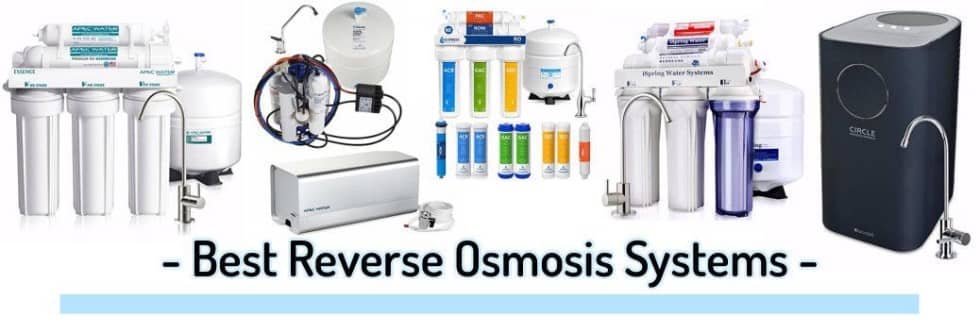
Top 10 Best Reverse Osmosis System – (Reviews & Guide)

Top 10 Best Reverse Osmosis System – (Reviews & Guide)

It is normal to always want to drink clean and safe water. If you were always unsure of where the water came from, you would definitely want to take the time to find a way to filter the water before using it.

There are many types of filters on the market today, but most people choose the best reverse osmosis systems. The technology has been around for a while and always delivers a high quality result for users.

Comparison Table

To reduce contaminants in drinking water or improve the taste and smell of tap water, water filters in coolers and jugs can do a good job. But to take water purification to the next level, consider a reverse osmosis water filtration system.

A reverse osmosis (RO) water system integrates with the plumbing under your sink to force water through a semi-permeable membrane and a series of filters, removing sediment and contaminants, leaving your family tens of gallons of purified water every day. This guide takes a look at RO systems, takes a look at the factors to consider when purchasing them, and lists the best RO systems on the market.

If you are looking for a water filtration system, you will quickly find that reverse osmosis systems are a popular choice. Many of these multi-stage water filtration systems remove up to 99 percent of the total dissolved solids (TDS) from your water supply, giving you water that tastes fresh and clean from contaminants.

The heart of these water filtration systems is a reverse osmosis membrane, which is so thin that almost only pure water molecules can pass through. Most reverse osmosis systems generally include 3-6 stages of filtration to remove everything from lead and arsenic to hormones and bacteria. One thing to consider on your reverse osmosis system must-haves list is a remineralization filter, which adds beneficial amounts of calcium and magnesium.

Many reverse osmosis systems are designed to be installed under the sink and include a water dispenser to mount on the sink or countertop. There are also counter-osmosis systems for countertops that are a good option for renters or anyone who is reluctant to pierce cabinets or counters. Powerful systems can meet the needs of a large family thirsty for better water, while tankless systems give you on-demand filtered water that’s always fresh.

So which one is right for you? We’ve researched and found the best options on the market so you can buy the right one for your home needs.

New to reverse osmosis water filters? You have come to the right place. Our comprehensive buying guide and reviews give you all the information you need to make an informed decision about the best reverse osmosis system for your home. We explain how an RO system works and what each specific term stands for so that you understand all the product descriptions you read.

Reverse osmosis filters are easy to install and low maintenance, and shouldn’t take you a few minutes more than once every few months to make sure everything is working properly. Read our quick installation guide to find out how to install the unit quickly and without leaks.


Top 10 Best Reverse Osmosis Systems on the Market


Now that you have an idea of where to start, you want to know where to get the best RO system for your money.

When selecting the best model available, consider the features that each has to offer. Not all models are created equal.

You want to find one that comes with superior filtering properties, compact construction, easy installation and maintenance, and affordability.

With this guide, you should be able to easily decide which model of water filtration product to buy for your home.


Best Reverse Osmosis System Reviews

1. iSpring 6-Stage Superb Taste High Capacity Under Sink RO System

This model comes with something new for anyone looking for a home reverse osmosis system. It is fortified with alkaline, which is important for restoring minerals lost in the reverse osmosis process.

Magnesium and calcium are added back to the water, even after they have been removed. This will help further improve the taste of the water compared to some of the bottled water people buy in stores.

The rejection rate for contaminants is up to 99 percent. This number is important in telling you how many impurities are removed in the reverse osmosis process. Because reverse osmosis is one of the most effective water filtration methods, this product can easily remove common contaminants to the highest degree.

You will also like the design. Even though it ends up under the sink, it still looks great. With its update to improve functionality, you should find that this model always offers the best possible performance.

The fact that this is a six-stage model just goes to show that the performance will always be what you need. It provides about 75 liters of filtered water per day. At this rate, you should never be without clean, fresh water for an hour.

Benefits

  • Relatively cheap
  • Affordable filters
  • Cheap filters
  • Six-stage filter
  • Low proportion of wastewater

Cons

  • Need more skills for installation
Check Price On Amazon

2. Home Master TMAFC Artesian Full Contact Undersink

This model gives you something different from anything you have used before. It is popular for an innovative design that ensures the system always delivers the best drinking water when you need it.

It’s amazing how you can filter water in seven different stages. These stages are designed to maximize water purity and quality at all times.

If you compare it with other models, you will see that this model contains a few more stages in the filtration process. This model uses the important catalytic carbon filtration medium to remove most of the chlorine from the water.

Compared to other models, it comes with a trap that helps to restore the water’s pH balance. This is important so that the water you drink has the correct pH level and a better taste.

If you can see other reviews, you will notice that this model gets a lot of positive reviews. This is good proof that this model is one of the best and will always meet your clean water needs.

Benefits

  • Seven-stage filter system
  • Eliminates most contaminants
  • Helps to balance the pH level
  • Catalytic carbon system

Cons

  • Processed water does not always have the correct pH balance
Check Price On Amazon

3. Express Water 50 GPD Reverse Osmosis Water Filtration System

This is definitely one of the best and highest rated water filtration systems you will see in the market. The first thing to consider is size – you’ll find it perfect for use in kitchen cabinets. The manufacturer has also simplified installation so you can do it at home without necessarily needing a plumber.

Using the 5-stage filter system is common, but with this model you get so much more. The performance will be of the highest level, with higher efficiency of the water filtration process.

The 5 micron filter in the first stage is important for removing large and fine particles from the water. The other stages ensure that the water is safe and clean to drink.

Many people who have used this model agree that it is one of the easiest ways to filter water at home. You can get one today to discover more benefits of owning this excellent model.

Benefits

  • Impressive water filtration
  • Removes 99 percent of contaminants
  • Free filters included
  • Comes with advanced technology

Cons

  • Instructions may not be clear to everyone
Check Price On Amazon

4. iSpring RCC7 High Capacity Under Sink Reverse Osmosis System

This model carries the WQA Gold Seal, which is a guarantee that it is a great product. That’s just one of the things you’ll enjoy. In addition, there are NSF certifications, which further guarantee that this model meets high standards of build quality.

Another important thing to note is that this is a five stage filtration system and how it will provide you with the best possible water quality. There are not many models on the market that use a five-speed system, so you can always know not to worry with this model.

According to some studies, this system removes more than 99 percent of chemicals and pollutants from water. You can be sure to change your drinking water at the end of the process.

The model is designed in such a way that even inexperienced technicians can easily install it in no time. This is partly due to the detailed manual that you receive with the product. You can also watch some DIY videos on YouTube and see how easy the installation is.

The affordable price is another reason you’ll love this model. A product so cost effective will save you some money and still have clean water.

Benefits

  • Easy to install
  • Impressive water pressure
  • Can deliver 75 liters per day
  • Water tastes better

Cons

  • Tends to leak
  • Water waste is high
Check Price On Amazon

5. Waterdrop RO Drinking Water Filtration System

With its tankless design and high performance, Waterdrop is a premium reverse osmosis filtration system. While most reverse osmosis systems are based on a large tank, which takes up most of the counter space and limits output, this system filters water on demand. The Waterdrop ensures an endless supply of treated water, because you don’t have to wait for the tank to refill. As a result, it can produce as much as 400 liters per day. This system is efficient, producing only 1 gallon of wastewater for every gallon of purified water.

Waterdrop also includes some great features for monitoring the system. A multi-color LED display shows the status of each of the three filters in their seven stages and the total dissolved solids content of the filtered water in real time. However, keep in mind that this new RO system technology is more expensive, up to double that of standard RO systems.

Check Price On Amazon

6. APEC Water Systems Essence Series Water Filter System

With easy installation and high capacity filters that last much longer than other systems, the APEC reverse osmosis system is an excellent choice for purifying your home water. While filters in other systems may only last for a few months, filters in this six-stage system will last a full year before needing to be replaced.

The six phases of the system remove contaminants and 99 percent of bacteria while adding essential and healthy minerals and calcium. This system produces up to 75 liters of treated water every day. A flow restrictor and automatic shutoff valve keeps wastewater production at 3 gallons for every 1 gallon of treated water. This system uses an 11-inch by 15-inch 4-gallon tank, so make sure you have plenty of space under the sink.

Check Price On Amazon

7. AQUA TRU Countertop Water Filtration System

The AQUA TRU water filter system for countertops allows water to be filtered without taking up space under the cabinet and eliminates the need for installation.

This self-contained system is ready to go out of the box. The four-stage system removes 82 contaminants including lead, chromium, copper, radium and chlorine. The quick-mount, sealed, rotating filters last up to two years. Fill the gallon tank and wait 12-15 minutes for the system to purify the water. And with a width of just 45 cm, this system doesn’t take up much space either.

Check Price On Amazon

8. RKIN AlcaPure Reverse Osmosis Countertop Water Filter


Just because you live in an apartment doesn’t mean you can’t use reverse osmosis water purification technology. This plug and play countertop water purifier does not need to be installed under the sink, making it a great option for property renters. With its compact design of just 9.5 inches wide, this water purifier is ideal for smaller homes. When it’s time to move, pack it up and bring it with you.

It has a four stage filtration system that removes up to 99 percent of contaminants. Additional filters add beneficial minerals such as calcium and magnesium, while a secondary filter removes small traces of impurities. The AlcaPure air purifier produces half a liter of purified water in about 15 minutes.

Check Price On Amazon

9. APEC Top Tier Supreme Certified High Output 90 GPD


This is a small RO system to consider. With its small size, it will easily fit in most of your kitchen cabinets.

Since it comes from a leading brand, you can be sure that it will deliver exceptional performance time after time. With the large number of contaminants removed, you can easily have almost perfect clean water.

This model has a 5 stage filtration process. This type of system should always provide the high performance you need. With the addition of extruded double carbon blocks, you can now get rid of all the unpleasant smells, colors and contaminants that can give your water an unpleasant taste.

This model is one of the best in terms of capacity, delivering up to 90 liters of filtered water per day. You will find yourself using it often and you will never be short of clean drinking water.

Benefits

  • No more leaks
  • Impressive quality
  • Large capacity filters
  • Dual carbon blocks

Cons

  • Has a low water pressure
Check Price On Amazon

10. Waterdrop WD-G3-W

The Waterdrop WD-G3-W is a 400 GPD fast flowing tankless filtration system that effectively removes the most common contaminants from drinking water, including fluoride, lime, heavy metals and other totally dissolved solids.

With a 1: 1 ratio of pure water to runoff, this efficient water system runs faster and wastes less water during the RO process than other reverse osmosis filters. The system does not use a storage tank, avoiding secondary water contamination, but directly produces pure filtered water at the touch of a button, ready to drink.

The furniture can easily be placed in a space under the sink, leaving more storage space in the cupboard. The system’s internal pump produces purified water at a rate of 400 liters per day, filtering a cup of water in about 12 seconds.

The Waterdrop RO WD-G3-W contains 3 filters that together provide 7 stages of filtration.

Benefits:

  • Tankless filtration, on request
  • Space-saving design
  • Built-in booster pump
  • Backed by good customer service
  • Large amount of filtered water per day

Cons:

  • The remineralization water filter adds small amounts of magnesium and calcium
  • Filling larger bottles or jugs can take a little longer
  • Highest price
Check Price On Amazon

What is the best reverse osmosis system for drinking water?

To qualify as a top level reverse osmosis system, a water filter must meet some important standards.

  • Size – Unlike in the past, today’s water filters are built on newly developed technology, which allows them to be smaller and more compact in size, while still delivering quality filtration. A good reverse osmosis water filter should not be too thick, so that customers can move and install the system easily.
  • Efficiency – A reverse osmosis water filter must be able to filter out as many contaminants as possible from the water, up to 99%.
  • Taste: It is important to be concerned about the taste of the processed water after the filtering process. Clean, pure water is good, but it also has to be tasty. If the last water comes out with a bad taste or a strange smell, the water filter is not good enough.

There are more standards for a good reverse osmosis filter. However, that depends on you and your standards and what you are looking for. Later we will discuss how to determine the best reverse osmosis water filtration system for you.


Best brand for reverse osmosis systems

More and more people are realizing the benefits and necessity of clean and pure drinking water. This ensures that the water filter market is growing by the day.

In particular, the reverse osmosis water filter market, which has proven to be one of the best water filtration methods, is expanding rapidly.

Of all the brands on the market, there are some that have built up an excellent reputation. These brands are constantly producing good quality filter models.

These are the top brands in the reverse osmosis market today.

  • ISpring
  • Home teacher
  • APEC
  • Water Express


The benefits of owning the best reverse osmosis system

Reverse osmosis water treatment systems offer a number of health benefits that make them a worthwhile investment for your home. The filtration process removes bacteria, microorganisms and impurities such as arsenic, chromium and other chemical contaminants.

They improve the taste of drinking water. Contaminants in water can cause bitter tastes and odors. When reverse osmosis systems remove these contaminants, the water smells and tastes cleaner.

They eliminate the need to buy bottled water. While it may not seem like it when you make the first investment in an RO system, it can save you money. Buying bottled water from a supermarket is considerably more expensive than filtering your own water.

They help the environment by reducing the waste from plastic bottles. And while there is some debate about the impact of reverse osmosis systems on the environment due to the amount of wastewater produced, they are doing the environment a favor by reducing the production of plastic waste that comes from bottled water.


How to install a reverse osmosis system yourself

Save yourself a plumbing bill and read on to learn how to install a reverse osmosis water filtration system yourself.

  • Close the cold water shut-off valve. Turn the valve clockwise to shut off the water.
  • Open the water tap. This will flush out any remaining water in the pipes, minimizing leaks when you disconnect the supply valve from the sink.
  • Disconnect the water line from the shut-off valve. Use pliers to unscrew and disconnect the supply line. Have a towel or cup handy to catch any residual water in the pipes.
  • Connect the cold water pipe to the RO system. Connect the cold water supply line to your system using the adapter provided by the RO system.
  • Open the cold water supply valve.
  • Install the filter and tank. Place the filter and tank under the sink.
  • Install the drain line. Locate the system drain line. Drill a hole in the existing sink drain line and install the drain line so that your system can drain your wastewater here.
  • Install the new faucet. If your sink has a pre-drilled hole, use this to install the new faucet. If not, you will need to drill a new hole in the sink or countertop to mount the new faucet.
  • Install the new faucet. Once the tap is installed, the supply line is connected to the outlet of the RO system.
  • Connect the reserve tank to the filter system. Follow the manufacturer’s instructions for proper connection.


Frequently asked questions about your new reverse osmosis installation

If you still have questions about your new RO system, you will find the answers to the most frequently asked questions below.

Q. How does a reverse osmosis system work?
Osmosis is the process of passing water molecules through a semi-permeable membrane from a less concentrated solution to a more concentrated solution. Reverse osmosis water filtration systems work by passing water under pressure through a semi-permeable membrane. The membrane allows the passage of water molecules, but does not allow the passage of larger molecules such as bacteria, viruses, sodium urea and chlorine.

Q. What do reverse osmosis systems remove?
Reverse osmosis systems remove harmful bacteria, viruses, sediment, dirt and a long list of toxic chemicals and compounds, including arsenic, copper, radium, cadmium and lead.

Q. Which is better for you, distilled water or reverse osmosis?
Because the distillation system cannot completely remove all traces of chlorine and some pesticides and herbicides from the water, RO filtration systems are more effective at purifying water.

Q. What is the difference between a single pass RO system and a double pass RO system?
The difference between a single pass and a double pass reverse osmosis installation is that the water produced in the first pass is recycled back through the system as feed water for the second pass. This means that the water passes through the system twice, creating a higher quality of purified water.

Q. Does the RO system have an impact on the environment?
Because reverse osmosis systems waste a significant amount of water, they are harmful to the environment. The average RO filtration system produces approximately 4 gallons of wastewater per gallon of purified water. That said, reverse osmosis systems reduce the consumption of bottled water, which is significantly more harmful to the environment due to the use of non-biodegradable plastic bottles.


conclusion

Nothing is perfect. So reverse osmosis is water. However, the benefits of reverse osmosis water outweigh the drawbacks. Having clean and healthy water is very important. And if today it’s easy to shop for yourself and set up a reverse osmosis plant in your home, nothing should stop you from drinking healthy reverse osmosis water. What are you waiting for? If you care about tap water at home, buy the best reverse osmosis system.

Top [2023] 15 Best Protein Skimmers For Your Aquariums & Sumps

Top [2023] 15 Best Protein Skimmers For Your Aquariums & Sumps

Seeking the ideal protein skimmer for your reef aquarium? This guide navigates your options to streamline your search and discover the perfect fit for your saltwater tank. We have selected the best protein skimmers and reviewed them here for you.

Protein skimmers, crucial for a saltwater aquarium, are spotlighted here as the essential workhorse and heart of the system, ensuring optimal reef life support.

Comparison Table – Best Protein Skimmers

CustomSiteStripe ImageTitleReviewBuy
Top PerformanceBubble Magus BM-Curve 5 Protein Skimmer4.5/5.0Check Price
cheapestCoralife Super Protein Skimmer With Pump4.3/5.0Check Price

Skimmers have been around for a long time and have been implemented in large tanks, public aquariums, aquaculture schools and fish stores. I’ll explain in more detail how skimmers work, what types of protein skimmers are available, and see a list of the best protein skimmers on the market today.

Your tank is likely to get dirty over time from the type of food you feed your fish or from debris that can build up over time.

To help get rid of such extra dissolved organic compounds and harmful substances, get the best protein skimmer available. This product helps to reduce the number of impurities that enter the aquarium in the biological filter.

You will need a protein skimmer for your nanocube or any other type of aquarium you have. Below are some of the benefits you can expect from protein skimmers.


What is a Protein Skimmer?

A protein skimmer is a filter unit that removes proteins and other organic compounds. It works on the basis of a chemical process to remove waste from the water column.

Debris and dissolved organic compounds will stick to the surface of the air bubbles produced by the protein skimmer and literally thousands of bubbles produced by the skimmer will pull them out of the aquarium water.

The dirt from these bubbles goes into a collection cup where the aquarium holder can remove it. This residue that is produced is called skimmate.

In addition to aquarium use, protein skimmers are used in commercial applications such as municipal water treatment plants. They have been around for many years and are a proven filtration technology.


Benefits of Using Protein Skimmer in Aquarium

  1. The idea is to purify the water by removing all dissolved organic compounds. This ensures that you get an oxygen-filled environment, which is important for the fish to survive in the water.
  2. The skimmer helps remove nitrates and other materials that can easily cause further degradation and lead to the growth and spread of algae. The worst part is that algae can be difficult to control if not treated early enough – all the more reason to look into protein skimmers today.
  3. The build-up of dirt in the aquarium water often leads to problems, such as cloudy water that does not let light through. This obviously has consequences for the marine life in the aquarium. With the skimmer it is now possible to purify cloudy water and restore it to its original state.
  4. Dissolved organic components in the system can cause unstable pH values. These pH levels may not be beneficial to fish and other marine life. It’s time you changed all that by using protein skimmers. They will easily bring a stable pH level into the aquarium.
  5. The use of a skimmer will always result in an overall improvement in the health of the animals in the aquarium. Be sure to replace it when the skimmers appear to have stopped producing skimmate.


Top 15 Best Protein Skimmers for Aquariums & Sumps


Best Protein Skimmers Reviews


1. Reef Octopus Classic 110-INT Needle Wheel Protein Skimmer for Aquarium

best protein skimmers reviews

This should be what you think about the next time you go to buy a great protein skimmer. The model comes with a great wheel design, which is important for bubble generation.

The bubbles generated are important to dissolve organic waste in the aquarium water. You can use this model for multiple aquariums as long as they have a maximum capacity of about 100 liters.

All users agree that the performance of this product is quite impressive. It is also effective on so many levels that you are sure to fall in love.

The design of the products makes them quite easy to use. You do not have to refer to the manual every time you use the model.

Benefits

  • It can be used in large capacity aquariums.
  • it is easy to operate
  • Pin wheel drives deliver impressive performance
  • It is easy to clean

Cons

  • The pump is loud
Check Price On Amazon

2. Bubble Magus BM-Curve 5 Protein Skimmer

best protein skimmers review

The manufacturer had to do something that could compete with its competitors in terms of features. This is a great product for cleaning your aquarium water. It may not be quite compact, but it is well designed to fit in tight spaces. You do not need to move your aquarium to use this product.

The needle wheel design is quite amazing as you can experience fine bubbles being generated faster and faster. This design has led so many people to give it high marks online.

The installation process is quite easy, even for someone who hasn’t built one before. It takes about 15 minutes to assemble the different parts. These parts are also easy to disassemble during cleaning. Parts are generally well built to make this model last longer than others.

Benefits

  • The parts are very durable.
  • It is easy to disassemble for maintenance.
  • The needle wheel design produces many fine bubbles.
  • It is easy to configure

Cons

  • Needs to be cleaned regularly to remove skimming.
  • You can have overflow problems
Check Price On Amazon

3. Coralife Super Protein Skimmer with Pump

best protein skimmers for saltwater tank

If you have an aquarium, you probably have a skimmer in the house. It has become an essential part of ensuring that your aquarium water is properly maintained.

Most people would choose this model as it is known to have the level of performance that many people want today. Due to its exceptional performance, it can easily remove organic compounds that may be dissolved in the aquarium water.

The model comes with a high-quality foam fractionator. This means you don’t have to worry about bubble production anymore. These bubbles are important to the filtration process so that dissolved organic compounds can be easily removed.

This impressive design is crucial in helping you save energy every time you use the model. This means you no longer have to worry about a significant increase in your energy bill at home.

How about the installation process?

That’s a common question any beginner skimmer would want to know. The best thing about this model is that it is very easy to configure. With clear, illustrated instructions, you should be done with the installation process in no time.

Filtration capacity is another thing about this model that you will enjoy. It is designed to handle different sizes of aquariums, from 65 liters to 220 liters. It should be easy for you to find aquariums that work with this skimmer.

Benefits

  • Impressive and strong needle wheel drive
  • Easy to set up
  • Great capacity
  • Impressive bubble production

Cons

  • Customer service can be improved
Check Price On Amazon

4. Simplicity 240DC Protein Skimmer

With a simple and effective installation, the Simplicity 240DC Protein Skimmer is something you can really enjoy. It uses a needle wheel and an adjustable DC pump. This is considered one of the best methods as it grinds the water and air to create finer bubbles.

These skimmers also give you the key to success. The protein skimmer ensures a longer contact time between air and water. This way you get the best performance thanks to the unique system.

It has an air inlet regulator, a wedge tube gauge and a bubble plate. The adjustable pump is of course also included.

The DC pump is quite powerful and efficient and comes with the needle wheel drive. Your collection cup locks in place and has a built-in cup drain. You can also adjust the speed of the pump or turn it off temporarily.

Your controller also comes with a built-in digital display. Displays the current power consumption and speed of the machine.

As if that were not enough, maintenance is simple and straightforward. It has a set of thumb screws, which makes cleaning easy. The body of the skimmer is made of cast acrylic, so it is also more durable.

Benefits

  • Built-in collection tray with drain
  • Easy maintenance
  • Hybrid cone design to improve contact time.
  • Custom controls allow the skimmer to be selected for best performance

Cons

  • The installation takes a maximum of five days
  • Delicate settings; be careful when touching
Check Price On Amazon

5. Happybuy Protein Filter Internal Needle Wheel Protein Skimmer

If you’re looking for something a little different, the Happybuy Protein Skimmer gets the job done effectively. You get an air injection system that delivers high performance.

This product is equipped with the Red Devil SP1 pump. It allows a power of 7.8 W and a maximum air intake of 180 l / h. Naturally, this brand uses white and red pipe fittings to distinguish it from the others.

The space-saving design is ideal and can be used in areas with smaller sinks. Its footprint itself is 5.5 inches by 3.9 inches.

In addition, the standard cone chamber ensures that the bubbles are softer and the whole device more stable. If that’s not enough, use cast acrylic for the body. This is more durable and also looks very fashionable.

There are also noise canceling features thanks to the dual silencer function. You don’t hear the skimmer running, which is great for bedrooms and other quiet areas.

This skimmer is also designed to work with tanks between 50 and 250 liters. Therefore, different people can find an application for this product. As such, it is ideal for marine aquariums.

Benefits

  • Simple assembly; no addresses required
  • Use quality materials.
  • Ideal for small sump pumps
  • Two hole exhaust design for quieter operation

Cons

  • For use in saltwater aquariums only
  • Not quiet but because of the amount of bubbles – reasonable sound
Check Price On Amazon

6. IceCap K1-Nano Protein Skimmer

If you’re interested in impressive performance, the IceCap K1-Nano Protein Skimmer is ideal.

It has a remarkably small footprint of just 2.75 by 3.2 inches. The turbulence-reducing body is made of acrylic and PVC to help prevent excess air bubbles.

You can also completely disassemble the product for easy maintenance and cleaning. It is of course designed to be installed in the crankcase and not the tank. This may seem strange, but most protein skimmers use this setup.

The product is ideal for marine aquariums from 10 to 30 liters in size. It’s also quite compact, which is perfect if you don’t have a lot of space.

Other skimmers on the market present different challenges. However, this one is designed to outperform others that have failed.

For example, the magnetic mount makes it easy to attach this product to surfaces up to 1/2 inch thick. The product is also designed to last. Plus, the components are safe for marine life so you don’t have to worry about the fish or plants in the tank.

Benefits

  • Works almost immediately after proper installation
  • Quiet; some noise but not much
  • Easy to place and install.
  • Magnetic holder, ideal for consistency

Cons

  • A tighter fit is needed on the top cap
  • Fairly small canister; cleaned more often
Check Price On Amazon

7. Comline DOC Protein Skimmer 9001

This model can be a great option for those looking for a great protein skimmer that can still help them clean their tank. The model is designed to be very durable so that you can use it for a long time.

How about the installation process?

Everyone who is going to assemble the product at home wants to know; You will be happy to know that this model is quite easy to set up and get started. The controls are well positioned to make it easier for the user to clean the aquarium water.

Buying this model would be the best decision you have ever made to keep your tank in top condition.

In addition, the model is energy efficient, so you can use it more often without having to worry about increasing your energy bill. This was a huge draw for the model and something that many people love.

Benefits

  • This model is easy to operate.
  • It is energy efficient
  • It has a compact design to fit into the aquarium easily.
  • Cleaning is easy compared to other models.
  • It has a robust construction

Cons

  • It tends to produce tons of micro bubbles.
Check Price On Amazon

8. SCA-302 180 Gallon Protein Skimmer

It is a new model and it comes with a number of features that make it better than previous models. The manufacturer has included all the novelties that many people have always wanted in a protein skimmer.

Due to its compact design, it is suitable for multiple applications for different aquariums. The oversized canister and silencer is a highlight with this model.

The model comes with a powerful Atman 2000 pump that delivers a large amount of bubbles needed to dissolve organic matter in the aquarium water. The overall performance of the model is excellent when compared to other models in the same category.

Since it works in large aquariums, it is without a doubt the best protein skimmer for the price. The manufacturer has rated it best for seawater aquariums up to 180 liters. If you have an aquarium close at hand, this product makes it much easier to keep the water clean.

Benefits

  • It has an incredible amount of cleaning power, enough to support even large capacity aquariums.
  • It has a strong pump to produce the best bubbles.
  • It is easy to operate thanks to its simple operation.
  • It has a perfect assembly process.

Cons

  • The pump often breaks down after a few months of use.
  • Micro bubbles make it look cloudy and need to be cleaned regularly.
Check Price On Amazon

9. Nyos Quantum Excellent Quality Protein Skimmer

The Nyos Quantum is in my mind the pinnacle of AC powered protein skimmers. This skimmer is made in Germany and designed for extreme performance. The Germany-made pump is designed to provide power and silence and provide one of the quietest protein skimmers on the market. The skimmer is expertly crafted and designed to last as long as your tank.

It’s built to be disassembled, so cleaning and maintenance are a breeze with this skimmer. They also break very quickly, almost without a break in time! They come equipped with a larger reaction chamber than most on this list. This is the best built needle wheel skimmer I’ve come across. It removes nutrients from your aquarium water like crazy.

Quality comes at a price. This is one of the most expensive protein skimmers on the market, but you definitely get what you pay for. If you are looking for very clean aquarium water, this is the skimmer to buy!

Benefits

  • Skimmer made in Germany
  • Incredible, expertly crafted performance
  • Easy to disassemble for cleaning

Cons

  • Expensive!
Check Price On Amazon

10. Aquamxx HOB 1.5 – The Best Hang on Back Protein Skimmer on the Market

The Aquamaxx HOB Protein Skimmer has been the best hanging skimmer on the market for years. This new 1.5 makeover boosts skimming power to the pinnacle of what HOB skimmers are capable of.

Armed with a “Shark” pump called Sicce, this skimmer has all the power a crankcase skimmer can deliver, but with the ability to be placed in the back of an aquarium. It is even compact enough to fit into larger all-in-one aquariums such as the Innovative Marine 40.

The main complaint with this unit is the footprint in the tank. It takes away the aesthetics when using a countertop, and the price is on par with many sump skimmers. It is without a doubt the choice of HOB skimmers! You don’t have to search or find anything else.

Benefits

  • Powerful skimmer – the best protein skimmer to hang on your back
  • Italian pump built to last
  • Compact enough to work in larger all-in-one systems

Cons

  • Hanging at the back takes up space in the aquarium
  • price
Check Price On Amazon

11. Red Sea Reef Skimmer “ Skimmer with A Swabbie Feature!

best protein skimmers reviewed in detail

The Red Sea Protein Skimmer has one feature that stands out among all the skimmers mentioned in this article. A slotted spoon is built into the canister. A slotted spoon cleans the inside of the neck of your canister and allows the slotted spoon to operate at maximum efficiency.

In general, a battery-operated cotton swab can be very expensive to place in a skimmer and is not available with all makes and models. This skimmer is built-in only. It is a mechanical dial that allows you to clean the neck, but this feature alone is very important if you want to run your skimmer at full capacity. It’s even more difficult if you don’t clean your collection glass often and choose to drain the glass into a bucket or bin before throwing it away.

This protein skimmer has high quality adjustable knobs and its reference Sicce PSK pump. It’s in the most expensive size of the skimmers on this list, but that swabbie is very big in my mind and worth the extra money, especially if you don’t want to empty your skimmer collection cup that often.

Benefits

  • Skimmer Swabbie!
  • High-quality rotary knob for easy adjustments
  • Sicce pump

Cons

  • price
  • Strong
Check Price On Amazon

12. Reef Octopus Essence “ High End Protein Skimmer with Convenient Features

The Reef Octopus Essence Series Protein Skimmer takes what we love about the classic series and adds a host of hobby-friendly maintenance features.

The skimmer bowl has a user-friendly rotate and lift function and there is a detachable mute collar that makes the skimmer super quiet. There are quick release tabs very similar to the bubble magus features that provide easy access to the skimmer housing for cleaning. They are designed to take up a small footprint so you can place them in tight spaces and the watch faces have a nice extra touch of a watch face.

This is a skimmer for those who want simplicity. However, it comes at a price, as they are more expensive than the classic Reef Octopus series of skimmers. Overall, this is a great product launch from Reef Octopus.

Benefits

  • Respected name and quality of Reef Octopus
  • It has a number of fan-friendly convenience features.
  • 2 year guarantee

Cons

  • Price: more expensive than the classic line
Check Price On Amazon

13. Reef Octopus Regal “ High End DC Protein Skimmers with Serious Reefkeepers

best protein skimmers - Reef Octopus

The Reef Octopus Regal Protein Skimmer is a high-end DC powered skimmer. This is Reef Octopus’ top of the line skimmer series and it doesn’t stop to bring the best of the best current skimmer technology has to offer. At the heart of the system is the premium Reef Octopus VarioS DC pump, considered one of the best aquarium return pumps in the industry.

This skimmer has the same high-quality construction that you would expect from any Reef Octopus skimmer. The DC pump offers better control, performance and energy efficiency that take it to another level compared to traditional AC options.

It’s a high-quality protein skimmer, so it comes at a premium price. Again with Reef Octopus, you get what you pay for. There are also the Regal INT protein skimmer models for those who have extra space in their well.

Benefits

  • DC powered protein skimmer – greater manageability
  • Very powerful and efficient
  • Very high quality DC pump built to last

Cons

  • Price: The most expensive protein skimmer on this list
Check Price On Amazon

14. Coral Vue Technology AC20287 Octopus Needle Wheel Skimmer

best protein skimmers for coral reef tank

The Octopus AC20287 Needle Wheel Skimmer is a great protein skimmer from Coral Vue Technology. It is highly rated and has rave reviews.

There are some great features that you get with this model that really speed it up.

The needle wheel impeller is an important feature, hence the name of this skimmer. Move the flow of the sensor to create a flow of micro bubbles that maximizes the amount of organic matter extracted from the water column. While this is the premise of all protein skimmers, the amount of bubbles produced is the only thing.

The 10 cm tapered neck makes it easier for bubbles to transition to the canister, giving you a better collection rate. The canister has a quick-release closure for easy cleaning. The gate valve is very handy and allows for much easier adjustments of the water level.

Collector Skimmer

This model is a collector skimmer and works great for any tank of 210 liters or less. If you don’t have a catch pan, a COOKING PLATE skimmer or external skimmer should be the way you turn.

The setup and installation is really easy and simple which is a huge mark on the plus column. Some skimmers are very complicated, but the ease of use is extremely good with this model. Do not give up ease of use in the future. Having a skimmer that is easy to operate will save you untold hassle!

The footprint is approximately 12 ” x 12 ” so be sure to check the space in your sump to make sure this skimmer will fit.

The only downside is that Coral Vue Technology’s Octopus AC20287 Needle Wheel Skimmer is a bit noisy when in use. While it won’t be a huge hassle and is certainly no reason not to buy this product, it does mean that it may not be suitable for quiet environments such as a bedroom.

Benefits:

  • Needle wheel drive
  • Simple installation and ease of use
  • Tapered neck

Cons:

  • Noise level
Check Price On Amazon

15. Tunze 9410.000 DOC Protein Skimmer

best protein skimmers Tunze

The Tunze 9410,000 DOC Protein Skimmer is suitable for use in SPS (Small Polyp Stony) reef tanks up to 80 gallons and fish-only saltwater tanks up to 265 gallons.

So, if you have a fish only tank this protein skimmer is probably powerful enough as it can handle very large tanks, but if you have a reef tank make sure it can handle it.

This device is made of high-quality materials that will not break down over time and will last with you and your tank for a long time. It is a skimmer in the crankcase, so make sure you have the necessary space to place it in the crankcase. The product measures 9.8 by 7 by 16.3 inches, which is by no means huge, so you should have the space available to install it in the crankcase without any hassle.

An important advantage of this protein skimmer over other models is the use of electricity. It only has a power consumption of 15W. For the skimming performance you get, it is on par with larger skimmers that can use twice the power. You will quickly see how much money you save, as costs can add up quickly, especially with larger tanks.

Overall, the Tunze 9410,000 DOC is a great protein skimmer that is well worth the price and has a removable after-filter and a large, easily removable collection cup. Cleaning and maintenance are also very easy. Some users have noted that the operating noise is a bit loud, so bedroom use may not be recommended.

Benefits:

  • Easy to clean and maintain
  • Low energy consumption
  • Large skimming capacity

Cons:

  • Slightly noisy operation
Check Price On Amazon

What is the Best Protein Skimmer?

In order for a model to be considered one of the best, it must meet several criteria. It is important that the model delivers excellent performance at all times. Reliability is especially important when it comes to choosing the right model, and the Reef Octopus Classic 110-INT Needle Wheel Protein Skimmer is the best.

It comes with a lot of features that will make you like it even more. It always delivers the best performance every time you use it.


Types of protein skimmers

Air-powered counter-flow skimmers

Many consider this type of skimmer to be the most efficient way to filter the water in their aquarium. While they are most effective, you will find that they require regular cleaning and maintenance, which is why they are expensive to run. These skimmers use wooden diffusers and powerful large air pumps to produce the bubbles.

Another advantage of this type of skimmer is that it is designed to produce excellent foam volume generation. You also get consistent quality and volume of bubbles every time you use it.

Since you are using the air stones, you may need to replace them over time. Depending on the amount of organic cargo to be filtered, you may need to replace the air stones every two months. You should also check the air pump diaphragms and replace them if they are weakened. Since this model will always give the best results, it’s no wonder more people would love to have one for their tank.

Venturi Skimmers

This is another type of skimmer that uses a venturi injector to create air bubbles. In terms of size, you will find it shorter than air-powered skimmers. This man also needs a stronger pump to power his hazard valve. One of the reasons more people are choosing this model is the number of bubbles it can produce. The venturi injector can produce a large number of bubbles to effectively clean the aquarium water.

It is always important to combine this type of skimmer with a powerful pump. It will easily kill fine bubbles that are important for dissolving organic matter easily. Most skimmers of this type have a spray head design to increase the amount of air that mixes with the water.

The installation process for these models is designed to be as simple as possible. With this type of skimmer you should be ready in no time. Most even have illustrations that should make the installation steps perfectly clear. The high-performance pumps typically supplied with these models are so good that they require sporadic maintenance.

Downdraft Skimmers

This type of skimmer is designed to be different from the others. It works with a water jet that is sprayed on the column at high speed with bio balls. Once the bubbles have passed through the column of bio balls, they will enter the collection tray. This will help deflect them upward to help lather the skimmer’s neck.

This type of model has a long water path due to the column of biofalls that must be integrated into the model. The long path of the water increases the response time, so in order for the model to work properly you should consider purchasing a very powerful pump. This is why you will find that this model is larger than other types of skimmers.

Suction impeller skimmer

You could say this is a different style when it comes to cheap aeration systems. It is designed to easily direct air to the pump impeller that creates the bubbles. The impeller comes with a special needle wheel that cuts air bubbles to make them finer. With fine bubbles it should be easier to dissolve the organic compounds in the water.

You will find this type of skimmer is easier to use as they work with low power pumps that still generate a lot of bubbles, although sometimes people are concerned about the durability of specialized impellers. The best part is that this type of model is inexpensive and will perform relatively well for a long time to come.


Final Thoughts – Best Protein Skimmers

At this point you have a clear understanding of what a protein skimmer is, what the best models are and how to choose one. If you haven’t decided yet, the Reef Octopus Classic 110-INT Needle Wheel Protein Skimmer seems to have more features than you could use.

The model is newer which means it has all the new features to improve performance compared to previous models. It should be the best protein skimmer for hobbyists, or even professionals, with large aquariums. You can always choose another model that you think will give you the best performance.


Related Buyers’ Guides

Best Quietest & Powerful Aquarium Air Pumps

Top [2023] Best Aquarium Powerheads: Powerful, Constant Water Flow

Top [2023] Best Aquarium Powerheads: Powerful, Constant Water Flow

If you have a saltwater, freshwater, or reef tank, you probably already know the importance of the right filtration system. If you’ve spent a lot of time figuring out what filter media to use and making sure the water chemistry is correct, but you don’t know why your tank isn’t doing well, you may be missing out.

By installing one of the best aquarium powerheads, you can ensure that your aquarium is the perfect environment for your plants, fish or corals. It doesn’t matter whether you have a freshwater, saltwater, or coral reef aquarium, ensuring your aquarium is adequately aerated and circulated is critical equipment in ensuring the life of your aquarium fish and plants thrives.

Comparison Table

CustomSiteStripe ImageTitleReviewBuy
Top PerformanceSUNSUN JVP Series Submersible Circulation Powerhead Pump4.4/5.0Check Price
cheapestAquaClear 50 Powerhead4.6/5.0Check Price

While installing the correct filtration system is an important part of keeping your aquarium looking its best, and getting good quality filter media is important to keep your water crystal clear if you don’t have good water circulation and aeration , then your hard work. it will be for nothing.

By reading this list of the 11 best aquarium powerheads, you can buy the right one for your aquarium and make it the perfect environment for your fish to thrive. When I first walked into the aquariums I didn’t quite understand what the wave makers were.

Why spend good money on something that seems useless? There will be no surfers in my tank so thank you but no thanks. But then some experienced patients pointed out to me that wave generators and power head units are really helpful in a number of ways, which is why they are often a regular part of any aquarium.

I don’t want to make waves, but if you are struggling with your reef tank you may need to improve water circulation. Stagnant areas reduce the health of your fish and can be deadly to corals and anemones, so dive into our guide to the best aquarium wave makers and powerheads and find out how they can help.


What is an Aquarium Powerhead Used For

Good water movement is important for a healthy aquarium. Helps plants, corals, beneficial bacteria, and even fish and animal life to thrive.

If you have proper filters in your tank but inadequate water circulation, your tank is not benefiting as much as you think.

Basically, the water spots directly in front of the filter circulate through the pump several times while the water in the corners does not receive any treatment. The same goes for heaters in a heated tank.

So what is the solution?

Make sure the water circulates efficiently throughout the tank. The best way to do this is to use an aquarium power head.

It is important to note that a power head is not a filter and does not treat the water in any way. It is a pump that needs to be placed underwater in your tank, so keep the water moving.


Top 10 [2022] Best Powerheads For Freshwater & Marine Reef Tanks


Best Aquarium Powerheads Reviews


1. Hydor Koralia Nano Aquarium Circulation Pump

This Hydor power head is a great choice because it is compact and energy efficient. It is also quite versatile and can be used in marine, freshwater and tropical aquariums.

One of the best things is that it will not disturb your fish. It has a built-in anti-vibration system that keeps noise low so you don’t disturb your fish or whatever else calls your tank home.

Adjusting the flow direction is as easy as turning the simple ball joint. It rotates a full 360 degrees so you can get virtually any flow direction and create natural water movement.

Placing it on the side of the tank is simple too. Just use the simple magnetic suction cups and it will stay securely in place.

Check Price On Amazon

2. SUNSUN JVP Series Submersible Circulation Powerhead Pump

SUNSUN produces a fully submersible gear head that cycles 800 GPH. It is designed to be easy to use. All you have to do to position it is twist it on the hinged ball joint to create the perfect gooseberry.

You can rotate it 360 degrees so you can really adjust the water flow. It’s fully submersible and the motor runs without oil, so you don’t have to worry about contaminants getting in.

If you’re looking for a way to eliminate dead spots and create a more ocean-like environment for your fish, coral, and plants, this is a great pump to try.

Installation is very simple, just use the durable suction cups to attach it to the aquarium wall, then plug it in to start the flow.

Check Price On Amazon

3. AquaClear 50 Powerhead

The best thing about the AquaClear Powerhead is that it is very versatile. You can use it for filters under the gravel, to supply the water with oxygen and you can even add some filter accessories.
Its compact size and fully submersible design means it can be easily hidden while still providing all the benefits.
Because it is insulated with epoxy resin, it is more durable and protects the device from harsh water environments. Due to the easily adjustable flow, you have a lot of control over the flow.
Installation is also easy, just use the handy suction cups to place it anywhere on the tank. It has a flow rate of 270 GPH and is practically silent in use.
Check Price On Amazon

4. Super Aquatic JVP-102A Aquarium Circulation Pump Power Head

This SUN Aquarium Power Head is a simple and easy-to-use option that delivers results. Installation is simple. Simply use the included suction cup to attach the power head to any glass or acrylic surface.

The articulated ball joint allows you to reposition the flow 360 degrees so you can get exactly the setting you want. This makes it really easy to get movement in those areas of the tank that would otherwise be difficult to reach.

Because this product uses a grease and oil free magnetic motor, it requires minimal maintenance and the ceramic impeller shaft is much stronger than plastic ones and is made to last a long time. Cycles at 1300 GPH and does not support timers or controllers.

Check Price On Amazon

5. AQUANEAT Powerhead Submersible Aquarium Water Pump

If you are looking for an aquarium power head that is multi-functional, this one from Aquaneat may be the perfect choice for you. It is suitable for fresh or salt water and has a strainer to prevent dirt from entering the pump.

You don’t have to worry about seals or oil and you can mount it both horizontally and vertically. You can use it to circulate, aerate and pump water to create movement and help you maintain a healthy environment for your fish.

This powerhead is available in a variety of sizes with options for bikes 60, 160, 450 and 650 GPH. The bomb. Aeration tubes, suction cups and strainer are included. All you need is the hose and you are good to go.

Check Price On Amazon

6. Marineland Maxi-Jet Pro Pump for Aquariums

A great option for a multipurpose powerhead is Marineland’s Maxi-Jet. There are three pumps in one and it is fully customizable for different uses in your aquarium. Use as a powerhead, service pump or circulator to get the setup you need for your tank environment.

This is a good option for running under gravel filters, setting up a wave generator, or powering a skimmer or small fountain. A conversion kit is supplied to convert to a circulation pump if required.

There are several sizes to choose from so you can find one with just the right power for your tank. Choose from pumps with power head modes running 110, 160, 230 and 295 GPH.

Check Price On Amazon

7. RIO Plus 1700 Aqua Pump

Rio Aqua Power Heads / Pumps from Taam, Inc. are solidly built and provide high pressure water for most tank functions. While often used with protein skimmers, they should not be used for constant on / off functions such as operating wave generators or oscillating devices.

Check Price On Amazon

8. Tunze Turbelle Stream 2 Controllable Pump

Tunze has an amazing range of drive heads, circulators, electronic controllers and other devices to meet the needs of a hobbyist. Primarily designed with high efficiency and aquarium maintenance in mind, Tunze’s Turbelle brand pumps have different characteristics, but they are all quiet and easy to maintain, equipped with motors with low heat output and energy consumption, and one of the most attractive features are that they can be mounted in an aquarium with Tunze’s patented magnetic holder. With many other great features to list here, visit their website to learn more about this and the many other aquarium products this company makes.

Check Price On Amazon

9. Cobalt Aquatics Nano-Flow Aquarium Powerhead

Cobalt Aquatics Nano-Flow Aquarium Powerhead has a flow rate of 686 GPH which has a power consumption of only 4 watts. Installation is a breeze with the strong magnetic holder that fits tanks up to 3/4 ″ thick. It has a very strong, wide angle ball joint, so you have full control over where the power is going.

It is perfect for smaller reefs and planted aquariums and can be used in any fresh or salt water tank. Creates the power needed to eliminate dead spots and circulate much-needed oxygen and nutrients.

There is a three year warranty on this powerhead that tells the story of how well built and robust the unit is. It is also very quiet in use.

Check Price On Amazon

10. Odyssea EX Submersible Aquarium Powerhead

The Odyssea EX Aquarium Power Head comes in two different sizes, a 250 GPH for a 40 gallon or larger tank, and a 350 GPH for a 60 gallon or larger tank. Reviews say it is a very powerful pump so be careful if you have a smaller tank!

Suitable for fresh and salt water aquariums, this power head is very easy to set up and install, with suction cups to attach it to the side of your tank.

Outflow is easily controlled by adjusting the direction of the spout. The spout snaps into place easily and is very strong so it won’t come off with high water flow and pressure.

It comes with an air line and strainer that helps keep dirt out of the pump for 24/7 functionality. You also have the option to turn this model into a filter if you buy a filter cone.


How to choose an aquarium control head?

There are a few things to consider when choosing an aquarium motor.

Aquarium tank size

Larger tanks with a lot of fish need a powerhead. It is an efficient way of removing fish waste from the corners and in the filter.

If your tank is 100 gallons or more, you might even consider buying more than one to make sure the flow reaches all four corners.

Water flow rate

Powerheads are rated based on the number of times the water circulates in the aquarium every hour. It is measured in gallons per hour or GPH.

How fast you need the rotation depends on what you have in your tank and how many gallons you have. Also remember to re-evaluate tank flow as your tank grows and expands.

Types of aquariums

The type of tank you have will also influence your choice. Why?

Because if you have a freshwater aquarium or a planted aquarium, you are not using the same powerhead that is suitable for the reef tank.

Sound levels

A common problem with aquariums is the noise level. If you have a tank with heater and filter, you may also be concerned about adding a power head.

Since they are designed to be installed underwater, the sound is usually muffled, but you still want to make sure the model you’re thinking about gets good reviews when it comes to sound.

Brands aquarium head

Some of the best electric head brands include: Hydor, SUNSUN, Cobalt, Penguin, and Aquaclear.


What’s the best powerhead for a reef tank?

The Hydor Koralia Nano Aquarium Circulation Pump is the best powerhead if you are looking for something for your reef tank. It is actually designed specifically for small reef tanks. It is easy to install with the help of simple magnetic suction cups.

Moreover, you can place it anywhere thanks to its compact size. It operates quietly and will not disturb your reef or any other marine life you have on it.

One of the best things about this motorized head is how easy it is to adjust the power. It has a simple ball joint so you can rotate it 360 degrees.

That means the water can flow in any direction to generate a natural ocean-like current. This is also very helpful as time goes on and your reef continues to grow as it is so easy to make adjustments.


How does an aquarium motor work?

The heads have sealed motors meaning they can be safely submerged underwater. They can be used for a few different purposes, but the main reason for using one is to keep the water circulating in your tank.

The way they work is quite simple. They suck water on one side and squeeze it through a spout on the other. Depending on where you place the motorized head in the tank and how you position the motorized head, you get pretty good control over how the current moves in the tank.

The current created by a powerhead causes the water to move in all the small areas of your aquarium that are not within reach of the filter. Basically, the water moves more, which means that debris and other debris that usually lurks in corners and releases gravel. It can then continue to circulate through the water so that it can go to the filter for removal.

Because the water is constantly in motion, there is also less chance that algae will grow. The more the water circulates, the cleaner it will be. A drive head is an efficient and inexpensive way to make this possible.

Another function of the current created by a powerhead is to keep your fish, corals and plants healthy. Moving water provides them with oxygen, food and stimulates them to move. It is important to investigate how many current living things are actually needed in your aquarium. Corals and some anemones don’t like a lot of exercise, while other organisms thrive in them.


How to install an aquarium control head?

The installation differs slightly by model, but the basic installation is something like this.

Before we start, a few security checks. Examine the Best Aquarium Powerheads to make sure there are no cracks or damage. Keep the power cord away from water.

Make sure that water cannot splash around the plug or that water does not run down the cord to the plug. Never use a power head with an extension cord. This is how the installation is completed.

First place the power head in the tank. It is designed to be submerged, so make sure it is completely submerged. Once you’re happy with the location, you can plug it in.

Again, keep the plug dry and plug it directly into the wall. Make sure the power cord is out of the way so that no one can trip over it.

That’s all! The installation is quite simple. However, positioning is slightly different.


Where do you put Powerhead in the aquarium?

The location of a control head depends on a number of factors. The first thing to consider is the type of organisms in your tank. As we said, some will thrive on a strong current, some will not.

For tanks with growing live aquatic plants, try to mimic the current in their natural environment. So try to simulate the bottom of a lake or ocean.

Depending on how your tank is designed, you may need to aerate more by placing the drive head so that it shakes the surface to bring oxygen into the water and then uses the power to circulate to the plants.

For saltwater drift tanks, it is extremely important to mimic their natural environment. Coral is less forgiving than a planted tray, so getting it right is very important. You will need to do some research to find out how much oxygen the type of coral you are growing is naturally getting, and adjust accordingly.

Tank size is also an important consideration. For tanks less than 20 gallons, a large power head can usually get the job done. The tank is so small that you can use all the walls and corners to control the flow, as the flow has enough power behind it from the power head to keep circulating. For larger tanks, multiple pumps may be required as the power of just one can move the water in a small area of ​​the tank.

If you want to create some surface movement and oxygen, move the pump closer to the surface. If you’re more concerned about a deeper current, stay closer to the bottom.


Conclusion

Having a good filter and the correct filter media is important if you want to have a healthy aquarium, but often it is not enough. The filters can only clean the water that is directly in them and what can happen is that the same water circulates through the system while the standing water settles at the bottom or in the corners and never reaches the filter inlet.

An easy and inexpensive way to combat this is to use an aquarium control head. While some Best Aquarium Powerheads can be modified to act as a second filter, their main purpose is to create a flow that helps circulate the water more efficiently. Note that you may need more than one to get effective flow in a large tank.

Getting the right flow has many benefits for your aquarium and the organisms in it. It can effectively provide food, vitamins and minerals and stimulate fish to be active. With that said, it is also very important to research the living things in your tank. Some plants don’t like strong currents, while other fish and animals thrive on it. This is especially important when it comes to corals, which can be very sensitive.

The Hydor Koralia Nano Aquarium Circulation Pump is a great pump that is versatile enough for almost any tank, but is especially good for corals. It’s easy to adjust so you can give your grow tank exactly what it needs. And once your coral starts to grow, changing the current is also a breeze.

5 Best Aquarium Heaters: Safe, Adjustable Picks

5 Best Aquarium Heaters: Safe, Adjustable Picks

The best aquarium heater is one that matches your tank, holds a stable species-appropriate temperature, and has clear safety controls. Our top all-round choice is the Fluval E Series for its digital display, dual sensors, protective guard, and multiple wattages. The Aqueon Pro is a strong shatter-resistant alternative, while EHEIM, Hygger, and Orlushy suit different budgets and tank layouts.

Disclosure: Aquarium Hunter may earn a commission from qualifying Amazon purchases, at no extra cost to you. Product availability and prices can change.

Quick Comparison

Heater Best for Key consideration Buy
Fluval E Series Best overall Display and protective guard; check length Check on Amazon
Aqueon Pro Adjustable Shatter resistance Thermoplastic body; no numeric display Check on Amazon
EHEIM Jäger/Thermocontrol Wide wattage choice Long glass body; measure first Check on Amazon
Hygger Titanium External controller Separate probe and controller add parts Check on Amazon
Orlushy Submersible Budget adjustable option Verify the exact wattage and dimensions Check on Amazon

Important: tank-volume ratings are starting points, not guarantees. Room temperature, tank shape, lid, flow, target temperature, and local voltage all affect heater performance. Confirm the manufacturer’s current chart for the exact model.

How We Compared Aquarium Heaters

We reviewed current manufacturer specifications and instructions, then compared temperature control, protective construction, wattage range, physical size, visibility, installation requirements, and independent temperature monitoring. We did not assign invented star scores or rank products by temporary prices.

  • Temperature control: adjustable settings are useful when species needs differ.
  • Safety: guards, shatter-resistant housings, overheat protection, and clear instructions matter.
  • Fit: a heater must remain at the required immersion depth with safe clearance.
  • Circulation: water must move around the unit so heat is distributed evenly.
  • Monitoring: every setup needs a separate reliable thermometer.

1. Fluval E Series — Best Overall

Fluval E Series electronic aquarium heater

Fluval’s current E Series combines an integrated temperature display, dual digital sensors, a protective casing, and fully submersible construction. The manufacturer lists E100, E200, and E300 models for aquariums up to 30, 65, and 100 US gallons respectively, subject to operating conditions.

The color-changing display makes an abnormal temperature easier to notice, and adjustment is in 1°F increments. The main drawback is physical length: the E100 is about 11.75 inches high, while the larger models are about 14 inches. Measure the intended mounting area before buying.

Best for: keepers who value an easy-to-read display and protective guard. Not ideal for: very shallow tanks or layouts without enough vertical space.

Check the Fluval E Series on Amazon | Official specifications

2. Aqueon Pro Adjustable — Best Shatter-Resistant Body

Aqueon Pro adjustable aquarium heater

The Aqueon Pro uses a durable thermoplastic housing instead of an exposed glass tube. Its official range is adjustable from 68 to 88°F, with an electronic thermostat, active-heating LED, overheat shutoff, and horizontal or vertical installation.

Its simple design is useful where a numeric screen is unnecessary, but the LED shows heating status rather than the measured water temperature. Use a separate thermometer on the opposite side of the tank and compare it with the set point.

Best for: a guarded, shatter-resistant adjustable heater. Watch for: model-specific wattage and tank recommendations.

Check the Aqueon Pro on Amazon | Official specifications

3. EHEIM Jäger / Thermocontrol — Best Wattage Range

EHEIM adjustable aquarium heater

EHEIM offers its adjustable heater family in many wattages, making it easier to select a model for an unusual tank volume. Current Thermocontrol documentation describes fully submersible construction, dry-run protection, fresh- and saltwater use, and adjustable control across a broad tropical range.

These heaters can be long, especially at higher wattages. Check both the exact product generation and the dimensions: the Amazon listing linked here may use the Jäger name, while EHEIM’s current regional range uses Thermocontrol branding.

Best for: buyers who need a precise wattage choice. Watch for: glass construction, length, and regional model naming.

Check EHEIM aquarium heaters on Amazon | Official specifications

4. Hygger Titanium — Best External Controller Option

Hygger titanium aquarium heater with external controller

This style separates the titanium heating element, temperature probe, and external controller. That keeps adjustment outside the aquarium and avoids a glass heater tube. It can suit freshwater or marine systems when the exact model is rated for the intended use.

The tradeoff is more installation complexity. Place the probe where it reads circulating tank water—not touching the heating element—and secure every component. Confirm the current manual because Hygger sells several visually similar versions.

Best for: keepers who prefer an external display and titanium element. Watch for: probe placement and exact model differences.

Check the Hygger titanium heater on Amazon

5. Orlushy Submersible — Budget Adjustable Pick

Orlushy adjustable submersible aquarium heater

Orlushy’s adjustable submersible range is a lower-cost conventional option with several wattages. The familiar dial design is easy to understand, but an inexpensive heater still needs careful selection, stable mounting, good circulation, and an independent thermometer.

Do not rely on a marketplace title alone for capacity. Confirm the wattage, physical size, voltage, current instructions, and whether the exact listing includes a separate thermometer.

Best for: a straightforward adjustable heater on a tighter budget. Watch for: listing variations and glass-body protection.

Check the Orlushy heater on Amazon

How to Choose the Right Wattage

A common starting estimate is around 3–5 watts per US gallon, but it is not a universal rule. A covered aquarium in a warm room may need less; a large temperature difference, open top, cold draft, or unusual shape may need more. Use the manufacturer’s chart for the exact model and the difference between room and target water temperature.

For a large or valuable system, two smaller heaters can provide more even coverage and some redundancy. Each must still be controlled correctly; redundancy does not eliminate overheating risk. A separate temperature controller can add protection, especially where a failure would endanger livestock.

Installation and Electrical Safety

  1. Read the exact manual before installation.
  2. Position the heater near steady filter flow without letting décor touch it.
  3. Respect minimum water-line and orientation instructions.
  4. Let a newly placed heater acclimate before plugging it in.
  5. Create a drip loop below the outlet and use a protected, correctly installed power supply.
  6. Unplug the heater before water changes and wait as instructed before removing it.
  7. Inspect the cord, casing, suction cups, and glass regularly. Replace damaged equipment.

Never handle energized aquarium equipment with wet hands. An aquarium heater is not a set-and-forget device: check temperature daily and whenever the weather, room heating, tank lid, or circulation changes.

Frequently Asked Questions

Do all aquariums need a heater?

No. The decision depends on the species’ verified temperature range and the room’s stability. Tropical fish often need heating; some temperate species do not. Never choose temperature by the tank’s label alone.

Should the heater be next to the filter?

Usually, placing it near consistent flow helps distribute heat. Follow the manual and confirm the opposite end of the aquarium reaches a similar temperature.

Can a heater burn fish?

Contact injuries are possible, especially with large, slow-moving, burrowing, or resting animals. A guarded heater and correct placement reduce risk. Follow species-specific advice.

How often should I replace a heater?

There is no universal calendar. Replace it immediately if it is damaged, erratic, leaking, corroded, or unable to hold temperature. Keep a tested spare available.

Verdict

The Fluval E Series is our best overall choice for visible monitoring and a protective guard. Choose the Aqueon Pro for a shatter-resistant housing, EHEIM for broad wattage selection, Hygger Titanium for an external controller, or Orlushy for a basic adjustable option. Whichever you select, verify the exact model, use an independent thermometer, and prioritize stable temperature over maximum heating speed.

Continue with our guides to betta tank setup, aquarium thermometers, and cycling a fish tank.

5 Best Aquarium Backgrounds: Styles and Installation

5 Best Aquarium Backgrounds: Styles and Installation

The best aquarium background is the one that fits your glass exactly, installs cleanly, and complements the fish and hardscape without becoming visual clutter. For most aquariums, a simple black, frosted, or natural printed background attached outside the rear glass is safer and easier to maintain than a bulky decoration placed inside the tank.

Disclosure: Aquarium Hunter may earn a commission from qualifying Amazon purchases, at no extra cost to you. Availability, sizes, and prices can change.

Quick Comparison

Background Style Best for Buy
Two-Sided River/Lake Laminated print Flexible natural scenes Check on Amazon
Driftwood/Plant Print Two-sided print Planted-tank look Check on Amazon
SPORN Tropical Static cling Removable installation Check on Amazon
Silver Rock Print Neutral stone scene Unobtrusive texture Check on Amazon
Underwater Forest Self-adhesive vinyl High-depth visual effect Check on Amazon

Measure the actual rear glass before ordering. Product names can cover several dimensions, so select by width and height—not by a seller’s gallon label.

How We Chose

A background is mainly a design product, so there is no meaningful laboratory winner. We compared attachment method, sizing flexibility, reversibility, glare, visual detail, maintenance, and whether the material stays outside the water. We excluded duplicate designs and did not use invented star ratings or temporary prices.

1. Two-Sided River and Lake Background — Best All-Round Print

Two-sided river and lake aquarium background print

This reversible laminated design gives two natural-looking options without requiring a second purchase. It works well when you want more detail than a solid color but still want a background that can be trimmed and taped outside the glass.

Pros: reversible, easy to trim, and simple to remove. Cons: tape can show if applied untidily, and any air gap can create reflections.

Check sizes on Amazon

2. Driftwood and Plant Background — Best for a Planted Look

Driftwood and aquatic plant aquarium background

Deep greens and brown driftwood can visually extend a planted aquascape or add structure behind a lightly decorated tank. Because the print is busy, it works best when the foreground layout is simple enough to remain readable.

Pros: natural palette and useful depth. Cons: may compete with dense real plants or patterned fish.

Check sizes on Amazon

3. SPORN Tropical Static Cling — Best Removable Option

Tropical static-cling aquarium background

A static-cling background is useful if you rent, redesign tanks frequently, or want to avoid permanent adhesive. Careful wet application helps you position the sheet and push bubbles toward the edges.

Pros: removable and generally low-mess. Cons: installation shows bubbles and dust easily; thin film can tear if handled roughly.

Check sizes on Amazon

4. Silver Rock Background — Best Neutral Texture

Silver rock aquarium background print

A gray stone pattern adds texture without the strong blues and greens of many photographic backgrounds. It can suit freshwater, marine, and paludarium-style displays, provided it is installed outside the enclosure and kept dry.

Pros: restrained color and easy coordination. Cons: a low-resolution print may look artificial at close range.

Check sizes on Amazon

5. Underwater Forest Adhesive Background — Best Depth Effect

Underwater forest self-adhesive aquarium background

The receding forest scene creates a pronounced sense of depth. Self-adhesive vinyl can produce a close, low-glare finish, but installation needs patience because trapped dust or creases are difficult to correct after the adhesive sets.

Pros: strong depth illusion and clean finish when installed well. Cons: less reversible than tape or static cling.

Check sizes on Amazon

Printed, Static-Cling, Adhesive, or Painted?

Laminated printed sheets

These are inexpensive, easy to trim, and often reversible. Tape only the top and sides for quick removal, or use a purpose-made clear background gel for closer glass contact. Avoid household products that may damage the print, seals, stand, or nearby equipment.

Static-cling film

Static film is reusable and has no permanent glue. It needs very clean glass and careful smoothing. Follow the maker’s wet- or dry-application instructions because films differ.

Self-adhesive vinyl

Vinyl can look seamless but is the least forgiving. Measure twice, clean thoroughly, align an edge, and apply gradually with a soft squeegee. Never install an exterior-only adhesive sheet inside the water.

Solid paint or removable board

Matte black or dark blue paint on the outside rear panel reduces visual clutter, but it is a commitment. A cut sheet of black foam board or plastic is reversible and often gives a similarly calm result.

How to Measure Correctly

  1. Measure only the visible rear glass, not the advertised tank volume.
  2. Record width and height in the same units used by the listing.
  3. Allow a small trimming margin.
  4. Check for braces, filter pipes, cords, and overflow boxes.
  5. If joining sheets, place the seam behind hardscape or plants where possible.

Installation Guide

  1. Move electrical plugs away from the work area and create drip loops.
  2. Clean the outside rear glass and remove dust, grease, and mineral deposits.
  3. Hold the uncut background in place and mark the final size.
  4. Cut with a straightedge on a protected surface—not against the aquarium.
  5. Apply it using the exact product instructions.
  6. Push bubbles outward gently and wipe away moisture.
  7. Check that tape or film does not obstruct ventilation or equipment.

Do not use blades against a filled aquarium or near silicone seams. Do not spray cleaners where mist can enter the water.

Does a Background Help Fish?

An opaque rear background can reduce visual distraction and reflections from behind the tank, and it hides cords and filters. It does not replace plants, caves, shade, or species-appropriate cover. Fish responses vary, so watch for persistent glass surfing, hiding, faded color, or aggression after a design change.

Highly reflective films can worsen reflection-related behavior. If a betta or territorial fish reacts to the glass, try a matte exterior background, adjust room and tank lighting, and add appropriate cover. A photograph of habitat is decoration for the viewer; it is not functional habitat for the animal.

Frequently Asked Questions

Should an aquarium background go inside or outside?

Most printed, cling, and adhesive products belong outside the rear glass unless the manufacturer explicitly certifies them for permanent underwater use. Exterior mounting is easier to clean and avoids introducing unknown materials.

Is black the best aquarium background color?

Black is popular because it hides equipment and lets fish and plants stand out, but it is not universally best. Dark blue, frosted, and natural prints can also work. Choose a matte finish and observe the animals’ behavior.

Can I use ordinary window film?

Only if it is suitable for the glass, heat, humidity, and installation method. Never allow adhesives, sprays, or films of unknown composition to contact aquarium water.

How do I remove bubbles?

Follow the film instructions. For products designed for wet application, use the recommended liquid and work from the center outward with a soft card or squeegee. Do not puncture bubbles next to aquarium glass.

Verdict

The two-sided river and lake print is the most flexible all-round choice. Pick the static-cling option if reversibility matters, the rock print for a calmer texture, or the underwater forest for a dramatic depth effect. Accurate measurement and careful installation matter more than the image name.

Continue with our guides to aquascaping plants, aquarium gravel, and artificial aquarium plants.

Best HOB Filters: Selection, Setup and Maintenance

Best HOB Filters: Selection, Setup and Maintenance

Short answer: the best hang-on-back (HOB) filter is one that provides enough real flow, reusable biological media and safe intake/output conditions for your livestock. Our three current reference choices are AquaClear 110 for flexible media, Marineland Penguin 350 for cartridge convenience and Fluval C4 for staged media access.

Hang-on-back aquarium filter installed on a fish tank
A HOB filter should be sized for the aquarium’s livestock, head height and maintenance routine—not only the gallon number on the box.

Three current HOB filter designs compared

Product Best for Media design Where to buy
AquaClear 110 Large freshwater aquariums and custom media Open reusable basket; adjustable flow Check on Amazon
Marineland Penguin 350 Straightforward cartridge-based maintenance Cartridges plus rotating Bio-Wheels Check on Amazon
Fluval C4 Separated mechanical and biological stages Multi-stage baskets and biological chamber Check on Amazon

Verify the model and voltage on the retailer page. As an Amazon Associate, Aquarium Hunter earns from qualifying purchases.

How this guide differs from our power-filter roundup

This page focuses specifically on HOB design, installation, media arrangement and troubleshooting. For a shorter product-first comparison across current power filters, see our best aquarium power filters guide.

Current recommendations

1. AquaClear 110 — best for customizable media

The AquaClear’s open basket lets you choose reusable foam and biological media instead of relying only on disposable cartridges. Its flow control is useful for feeding or calmer livestock, though even reduced flow may be too strong for a small aquarium. The 110 is a large model; choose an appropriate AquaClear size rather than assuming bigger is always safer.

Check AquaClear 110 on Amazon · Manufacturer specifications

2. Marineland Penguin 350 — best for cartridge simplicity

The Penguin 350 uses replaceable cartridges and rotating Bio-Wheels. It is easy to understand, but replacing all media at once can discard useful bacteria. Keep the Bio-Wheels wet during maintenance, never scrub them under chlorinated tap water and change only the media that actually needs replacing.

Check Marineland Penguin 350 on Amazon

3. Fluval C4 — best staged-media design

The C4 separates coarse and fine mechanical filtration from chemical and biological stages, making it easier to service one section without disturbing everything. It still needs enough clearance behind the aquarium and sufficient water depth to restart reliably after maintenance or a power interruption.

Check Fluval C4 on Amazon

How to size a HOB filter

Manufacturer gallon ratings are screening tools, not guarantees. Stocking level, fish size, feeding, plants, prefilters and maintenance all affect the required capacity. Published gallons-per-hour figures are commonly measured under favorable conditions; lift height, dirty media and restricted intakes reduce real flow.

  • Choose for the aquarium’s adult livestock and waste production.
  • Provide gentle areas for bettas, long-finned fish, fry and shrimp.
  • Use an intake sponge where small animals could be drawn in.
  • For heavily stocked or critical systems, use two independent filters or another form of redundancy.
  • Confirm that the aquarium rim, lid and wall clearance accept the filter.

Media order and maintenance

Water should generally meet coarse mechanical media before finer pads and biological media, although the filter’s manual takes priority. Carbon is optional for routine freshwater use; it is most useful for specific dissolved contaminants or removing medication when the medication instructions call for it.

  1. Unplug the filter before placing hands in the water or removing the motor.
  2. Rinse reusable sponges and biological media gently in removed aquarium water or conditioned water.
  3. Do not replace every biological surface on the same day.
  4. Clean the impeller and intake when flow declines.
  5. Refill or prime the chamber exactly as the manual directs before restarting.
  6. Test ammonia and nitrite after major maintenance, medication or a prolonged outage.

Setup and outage safety

Keep the aquarium water level high enough to reduce splashing and restart problems. Form a drip loop below a GFCI/RCD-protected outlet, keep plugs dry and never run a HOB filter without water. After a power cut, verify that the filter has restarted rather than assuming the motor recovered.

If media remained stagnant during a long outage, smell and inspect it before returning the water to the tank. When in doubt, discard foul water, rinse media in conditioned water, restore aeration and monitor ammonia and nitrite closely.

Common HOB filter problems

The filter is noisy

Top up the water, clean the impeller well, remove trapped air and confirm that the unit sits level. A rattling impeller may be worn or obstructed.

Flow has fallen

Check the intake sponge, tube, impeller and mechanical media. Do not compensate by discarding all biological media.

The current is too strong

Use the model’s flow control, raise the water level or fit a safe output baffle. Never block the outlet completely.

Water is clear but tests are unsafe

Clarity is not proof of biological filtration. Test ammonia, nitrite and nitrate and correct the underlying cycle, stocking or maintenance problem.

Frequently asked questions

Can a HOB filter be the only filter?

Yes, when correctly sized and maintained for the aquarium. High-waste livestock or systems needing redundancy may benefit from a second filter.

Should I replace cartridges every month?

Follow the manufacturer, but do not automatically discard useful biological media. Mechanical pads can often be rinsed until damaged; carbon has a limited service life when used for a specific chemical-filtration job.

Is more turnover always better?

No. Enough circulation and filtration are essential, but excessive current can exhaust weak swimmers and disturb plants or substrate. Match both filtration capacity and flow pattern to the inhabitants.

Verdict

Choose AquaClear when reusable, customizable media is the priority; Penguin for a simple cartridge-and-Bio-Wheel layout; or Fluval C4 for clearly separated stages. Whichever design you use, mature biological media and consistent maintenance matter more than disposable-cartridge marketing.