
Disclosure: As an Amazon Associate, Aquarium Hunter earns from qualifying purchases.
Betta fish do best in a warm, filtered aquarium with cover near the surface. The best plants for betta fish have smooth leaves, tolerate gentle flow, and leave enough open water for swimming and feeding. Live plants are usually the best choice, but soft silk plants can work well when you want a low-maintenance setup.

Best Plants for Betta Fish: Quick Comparison
| Plant | Best for | Light | Shop |
|---|---|---|---|
| Anubias nana | Best overall | Low | View on Amazon |
| Java fern | Easy low-tech tanks | Low | View on Amazon |
| Java moss | Cover and texture | Low–medium | View on Amazon |
| Amazon sword | Larger betta tanks | Medium | View on Amazon |
| Water sprite | Surface shade | Medium | View on Amazon |
| Silk aquarium plant | Lowest maintenance | None | View on Amazon |
Live-plant stock changes quickly. The Amazon links above show current matching options so you can check seller, condition, delivery date, and reviews before ordering.
Live or Artificial Plants for a Betta?
Live plants create a natural look, use nutrients from fish waste, and provide broad leaves and shaded areas where a betta can rest. They are not a replacement for a filter or water changes, but healthy growth can support a more stable aquarium. Beginners should start with hardy species rather than demanding carpeting plants.
Artificial plants do not need light or fertilizer. Choose soft silk or very flexible material, inspect every edge and seam, and avoid rigid, sharp plastic. A useful test is to drag a piece of nylon stocking over the plant: if it snags, it may also damage a betta’s delicate fins.
1. Anubias Nana — Best Overall

Anubias nana is our best all-around choice because its sturdy, broad leaves make convenient resting platforms and it tolerates low light. Attach the rhizome to driftwood or rock with thread or aquarium-safe glue. Do not bury the thick horizontal rhizome, or it may rot. Growth is slow, so older leaves can collect algae if the light is too strong.
Best for: beginners, nano tanks, and low-light setups. Watch for: buried rhizomes and algae on slow-growing leaves.
Check current Anubias options on Amazon
2. Java Fern — Best Low-Maintenance Choice

Java fern is forgiving, handles low to moderate light, and does not require nutrient-rich substrate. Like Anubias, it is a rhizome plant: secure it above the substrate instead of burying it. Mature leaves give a betta visual cover without filling every inch of swimming space.
Best for: low-tech tanks and aquarists who do not want CO₂ injection. Watch for: slow initial growth; small plantlets on old leaves are normal propagation, not disease.
Check current Java fern options on Amazon
3. Java Moss — Best for Dense Cover
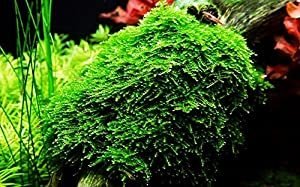
Java moss can be tied to wood, spread over a rock, or allowed to form a loose clump. It creates useful cover, but it traps debris easily. Keep it away from the filter intake, trim it regularly, and siphon around it gently during maintenance. It does not need stagnant water; clean, gently moving water is healthier for both the plant and the fish.
Best for: adding soft texture and cover. Watch for: trapped food and unchecked growth.
Check current Java moss options on Amazon
4. Amazon Sword — Best for Larger Tanks
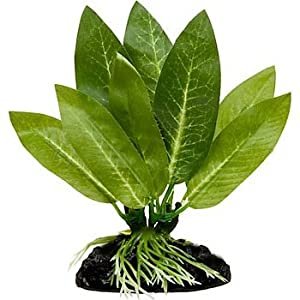
A live Amazon sword gives a betta large leaves and an impressive background, but it can outgrow a small aquarium. It is a root feeder, so use a nutritious substrate or aquarium root tabs and provide moderate light. Place it toward the rear or side so the center remains open for swimming.
Best for: established tanks of about 10 gallons or more. Watch for: eventual size and depleted substrate.
Check current Amazon sword options on Amazon
5. Water Sprite — Best Floating Plant
Water sprite can be rooted or floated. Floating growth softens bright light and creates the surface cover bettas often appreciate, while its fine roots offer enrichment. Thin it regularly so the fish can reach the surface easily and light can still reach plants below. Avoid letting floating plants cover the entire top, because bettas breathe atmospheric air with their labyrinth organ.
Best for: creating gentle shade and surface cover. Watch for: rapid growth and blocked feeding areas.
Check current water sprite options on Amazon
6. Soft Silk Plants — Best Artificial Option

Silk plants are the safest artificial style for most long-finned bettas. Select broad, flexible leaves, a stable base, and colors that do not flake. Rinse new decorations in plain water before use—never soap—and check them each time you clean the tank. Replace any plant that develops rough edges or exposed wire.
Best for: quarantine tanks, low-light rooms, and keepers who want minimal plant care. Watch for: hard stems, sharp seams, and unstable bases.
Check current silk aquarium plants on Amazon
Plants We Would Avoid
- Sharp plastic plants: stiff points and seams can catch long fins.
- Unknown terrestrial plants sold as aquatic: they may rot when fully submerged.
- Marimo moss balls from an uncertain source: zebra mussels have previously been found in imported moss-ball products. Follow current local biosecurity advice before buying or moving them.
- Fast-spreading floaters without a plan: some species are restricted or invasive in certain regions.
How to Plant a Betta Tank Safely
- Use a cycled, heated, filtered aquarium; plants do not make a bowl suitable.
- Quarantine and inspect live plants for snails, eggs, algae, or damaged tissue.
- Rinse plants with dechlorinated water and follow the seller’s acclimation guidance.
- Keep broad leaves or a resting perch within easy reach of the surface.
- Leave open swimming space and an unobstructed route to the water surface.
- Use an appropriate planted-tank light on a timer, usually starting around six to eight hours daily.
Frequently Asked Questions
Do bettas need live plants?
No. Bettas can thrive with safe silk plants, but live plants often provide better cover and a more natural environment. Water quality, heat, filtration, tank size, and routine maintenance matter more than whether the plants are live.
Can bettas sleep on plant leaves?
Yes. Bettas commonly rest on broad leaves, especially near the surface. Anubias and Java fern are useful choices because their leaves are sturdy enough to support a resting fish.
Do live plants replace a filter?
No. Plants can consume some nitrogen compounds, but they do not replace biological filtration, testing, partial water changes, or removal of waste.
Can lucky bamboo live underwater?
Its roots can grow in aquarium water, but the stalk and leaves should remain above the surface. Fully submerging lucky bamboo commonly causes it to rot.
Final Verdict
Anubias nana is the best plant for most betta tanks because it is hardy, low-light tolerant, and provides broad resting leaves. Java fern is a close second, while water sprite is excellent when you want surface shade. If live plants are not practical, choose smooth silk plants and test every edge before placing them in the aquarium.
For the rest of the setup, see our betta tank setup guide, best betta tanks, and betta filtration guide.