Disclosure: Aquarium Hunter may earn a commission from qualifying purchases made through links on this page, at no extra cost to you.
Aquarium silicone has one unusually important job: it must hold a watertight bond without introducing ingredients that could harm aquatic life. For that reason, this guide now recommends only sealants whose manufacturers specifically describe them for aquarium use—not general-purpose bathroom, automotive or marine products.
Quick comparison
| Product | Best for | Color/format |
|---|---|---|
| ASI 509 Aquarium Sealant | Larger glass repairs and builds | Clear or black; cartridge |
| Aqueon Silicone Aquarium Sealant | Small repairs and first-time users | Clear or black; tube/cartridge |
| Marineland Silicone Sealant | Small leaks and ornaments | Clear; squeeze tube |
The best aquarium-safe silicone sealants
1. ASI 509 Aquarium Sealant — Best overall
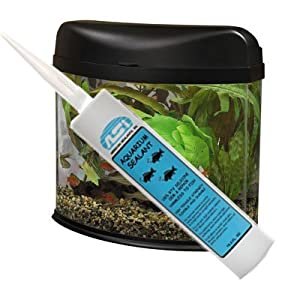
ASI 509 is the strongest all-round recommendation here because it is made specifically for aquarium manufacture and repair. The manufacturer describes it as a one-part RTV silicone suitable for fresh- and saltwater aquariums, with strong adhesion to glass and a non-slump consistency that helps on vertical seams.
It is available in clear and black. Clear is less visually prominent on an existing tank, while black can suit aquariums already built with black seams. ASI says the material typically skins and cures progressively, but recommends allowing a full seven days before strength testing. That conservative wait is sensible for an aquarium: “dry to the touch” is not the same as fully cured through the bead.
- Pros: aquarium-specific formulation; suitable for fresh or salt water; clear and black options; useful cartridge size.
- Cons: longer wait before testing; a caulking gun and careful technique are helpful; not a remedy for cracked glass or uncertain structural damage.
2. Aqueon Silicone Aquarium Sealant — Best for small repairs
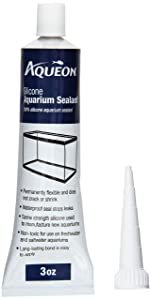
Aqueon’s sealant is a convenient choice when you need a smaller amount. Aqueon states that it is 100% silicone, waterproof, permanently flexible and non-toxic to freshwater and saltwater fish after proper curing. It is sold in clear and black and in several sizes, so you can match the format to the job.
The squeeze tubes are easier to manage for a short interior bead or an ornament repair than a full cartridge. For a long seam, however, a cartridge provides better flow control. Check the current package instructions for surface preparation and cure time; do not rely on an old online estimate.
- Pros: aquarium-labelled; accessible tube sizes; clear and black options; permanently flexible.
- Cons: small tubes are inefficient for long seams; opened tubes may be difficult to store; structural repairs still require expert judgment.
3. Marineland Silicone Sealant — Best compact alternative

Marineland describes this as a 100% clear silicone rubber sealant for repairing leaking aquariums and broken ornaments. Its compact squeeze-tube format is useful for modest jobs where buying a large cartridge would create waste.
Because it is a small tube, it is not our first choice for rebuilding a long seam. It is best reserved for repairs that are genuinely minor and non-structural. As with every sealant here, the aquarium must be empty, clean and completely dry before application, then left for the label’s full cure period.
- Pros: explicitly intended for aquarium repair; compact and convenient; clear finish.
- Cons: limited quantity; harder to produce a consistent long bead; not a safe fix for damaged glass.
What makes silicone aquarium-safe?
“100% silicone” is not enough by itself. Look for a current manufacturer statement that the exact product is intended for aquariums or safe for aquatic life after curing. Avoid kitchen-and-bath caulks marketed for mold or mildew resistance, products containing biocides, automotive gasket makers, thread lockers, and polyurethane marine adhesives such as 3M 5200 unless the aquarium manufacturer explicitly specifies them.
Product names and formulas can change. Read the exact label and technical data for the tube you receive; do not assume that a similarly named variant has the same suitability.
Can you safely reseal the aquarium yourself?
A cosmetic interior bead and a structural seam are not the same thing. Silicone between the glass panes carries the load. If a bottom seam leaks, glass is chipped or cracked, panes have shifted, or you do not know why the seal failed, move the fish to a safe temporary setup and consult an aquarium professional—or replace the tank. Smearing new silicone over an old or wet bead is not a dependable structural repair.
Safer preparation, curing and leak testing
- Relocate livestock. Move fish, invertebrates, plants and filter media to a heated, aerated temporary container as appropriate.
- Drain, clean and dry. The repair area must be completely dry. Work with good ventilation and follow the product label.
- Remove only the failed interior bead. Use a fresh razor carefully on glass and avoid cutting into the structural silicone between panes. Wear cut-resistant gloves and eye protection.
- Remove residue. Follow the sealant manufacturer’s cleaning instructions. Do not sand aquarium glass or use a heat gun on a tank.
- Apply one continuous bead. Tool it as directed while fresh, without touching it with bare skin.
- Allow the full cure. Cure time changes with bead thickness, humidity and temperature. Use the longest applicable manufacturer instruction; ASI 509 recommends seven days before testing.
- Water-test safely. Fill the aquarium in a garage, outdoors or another area where a leak will not cause damage. Leave it full for at least 24 hours while inspecting every seam.
- Re-establish the system. Confirm temperature and water parameters before returning livestock. If the filter was offline, protect beneficial bacteria and check the aquarium nitrogen cycle.
Frequently asked questions
Can aquarium silicone cure underwater?
No. These products need clean, dry surfaces and adequate air exposure to cure. Never attempt an underwater emergency patch.
Is silicone safe as soon as it feels dry?
No. A surface skin can form well before the centre of the bead has cured. Wait for the full label-specified cure period before water testing.
Can silicone repair cracked aquarium glass?
Silicone does not restore the strength of cracked glass. Empty the tank and seek professional advice or replace the aquarium.
Will new silicone stick to old silicone?
Not reliably enough for a leak repair. New silicone bonds best to properly prepared glass, not to cured silicone residue.
Verdict
ASI 509 is the best overall choice when you need an aquarium-specific cartridge and can allow a conservative cure. Aqueon is the most convenient for small jobs, while Marineland is a useful compact alternative. Whichever you choose, correct diagnosis and preparation matter more than brand: never gamble with a compromised structural seam.