Best UV Pond Clarifiers: Four Current Options

Best UV Pond Clarifiers: Four Current Options

A UV pond clarifier can be an effective answer to suspended green-water algae, but only when its flow rate, pond-volume rating and filtration are matched to the installation. For a small pond, the compact TotalPond 9 W unit is the clearest fit. TetraPond GreenFree offers a simple range of matched sizes, OASE Vitronic 18 provides useful fish- and koi-specific capacity guidance, and Aquascape UltraKlear emphasizes service access and safety features.

Know the limitation: UV clarifiers act on organisms that pass through the chamber. They do not remove string algae attached to rocks, sludge on the bottom or the excess nutrients that helped an algae bloom develop.

Disclosure: Aquarium Hunter may earn a commission from qualifying purchases made through clearly identified affiliate links, at no extra cost to you. No product is linked for purchase in this guide unless its exact destination has been verified.
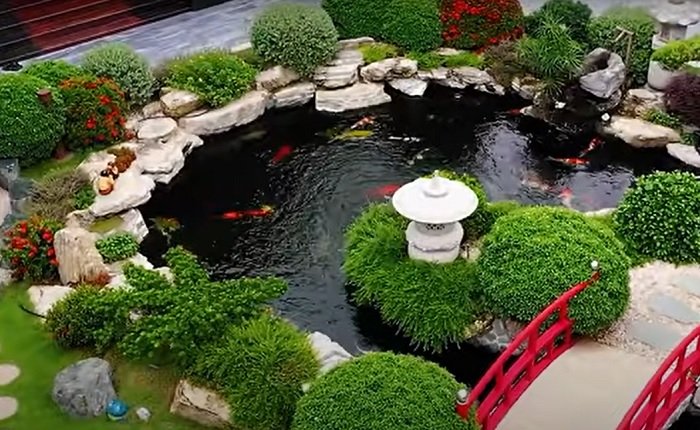
Landscaped koi pond with circulating water
A UV clarifier is one component of a pond system; circulation, stocking and mechanical filtration still determine the result.

Quick comparison

Clarifier Published capacity Published maximum flow Best fit
TotalPond UV Pond Clarifier 52301 Up to 800 gal Use with 300–800 GPH pump Small ponds
TetraPond GreenFree 660–8,800 gal across four sizes 330–4,400 GPH by model Simple model-to-pond matching
OASE Vitronic 18 5,000 gal without fish; 2,500 with fish; 1,250 with koi 925 GPH Fish ponds needing conservative sizing
Aquascape UltraKlear 1,000, 2,500 and 5,000 model family Check exact model manual Accessible maintenance and safety features

Capacity figures are manufacturer ratings, not interchangeable laboratory results. Sun exposure, algae density, water depth, fish load, plumbing resistance and filtration all affect performance. Treat the number on the box as a ceiling under stated conditions, not a reason to undersize the system.

1. TotalPond UV Pond Clarifier — best for small ponds

TotalPond’s current model 52301 uses a 9 W lamp and is rated for ponds up to 800 gallons. The manufacturer specifies a pump range of 300–800 GPH and supplies adapters for 1/2-, 3/4- and 1-inch-ID tubing. This makes it the easiest option here to match to a compact water garden without excessive plumbing.

A blue indicator and clear adapters let you check operation without looking at an exposed lamp. TotalPond says this particular unit can be submerged or concealed out of water; that is a model-specific instruction and must not be assumed for other UV clarifiers. The lamp is rated for up to 8,000 hours, with tool-free access intended to simplify seasonal replacement.

Best for: a small pond already served by a compatible pump and mechanical filter.

Watch for: the one-year warranty is shorter than the warranties listed for the TetraPond and Aquascape families.

2. TetraPond GreenFree — best straightforward product family

GreenFree comes in four clearly paired sizes. Tetra publishes 5 W for 660 gallons at 330 GPH, 9 W for 1,800 gallons at 900 GPH, 18 W for 4,400 gallons at 2,200 GPH and 36 W for 8,800 gallons at 4,400 GPH. This is useful because a pond owner can select a lamp and a flow target together rather than guessing from wattage alone.

The units include adapters for 3/4-, 1- and 1 1/4-inch-ID tubing, a 15-foot cord and a three-year limited warranty. Tetra’s manual also makes an important point: damaged algae must still be trapped by adequate filtration. A UV chamber cannot compensate for a mechanical filter that is too small or rarely cleaned.

Best for: owners who want a familiar range spanning small water gardens through larger ponds.

Watch for: confirm the exact wattage and its allowed flow; do not choose a high-flow pump simply because the hose fits.

3. OASE Vitronic 18 — best capacity guidance for fish ponds

OASE rates the Vitronic 18 very differently according to stocking: up to 5,000 gallons without fish, 2,500 gallons with fish and 1,250 gallons with koi. That distinction is valuable because fish load increases the burden on the complete filtration system. The published maximum flow is 925 GPH through the 18 W unit.

The Vitronic accepts 1-, 1 1/4- and 1 1/2-inch connections and provides a visual function check. A quick-release mechanism assists quartz-glass cleaning, and OASE lists replacement lamps, quartz glass and ballast components. The current US model carries a two-year limited warranty.

Best for: a moderately stocked fish or koi pond where conservative capacity guidance and service parts matter.

Watch for: use the fish or koi rating—not the ornamental-pond maximum—when livestock are present.

4. Aquascape UltraKlear — best maintenance and safety design

Aquascape offers UltraKlear 1000, 2500 and 5000 models. The company describes an internal swirl sleeve that increases contact time around the UV bulb, plus an operating indicator, electronic ballast and a mechanical safety switch that turns the bulb off when the ballast is removed.

The included brackets permit vertical or horizontal mounting, while the bulb and quartz sleeve are designed for straightforward access. The family carries a three-year limited warranty. These features make UltraKlear appealing when the installation will be serviced regularly rather than treated as a sealed, forgotten component.

Best for: owners who prioritize visible operation checks, flexible mounting and easier scheduled maintenance.

Watch for: use the flow and plumbing instructions for the exact 1000, 2500 or 5000 model; the family name alone is not a sizing specification.

How to size a UV clarifier without guessing

  1. Calculate real pond volume. Use measured average length, width and depth rather than the liner’s theoretical maximum.
  2. Choose the correct stocking category. A koi pond normally needs more conservative capacity than an ornamental pond of the same volume.
  3. Check flow through the UV chamber. Use the manufacturer’s target after allowing for head height, bends, fittings and filter resistance.
  4. Check plumbing diameter. Restrictive adapters and undersized hose reduce delivered flow and can waste pump energy.
  5. Leave practical headroom. Full sun, warm water, heavy feeding or a dense fish load can justify moving up a size.

Clarifier flow is about exposure time

Water must spend enough time in the chamber for the intended dose. Faster is not automatically better. If flow exceeds the model’s rating, organisms may receive insufficient exposure; if flow is severely restricted, circulation and filtration can suffer. The correct solution is a matched pump, bypass or dedicated circuit—not an arbitrary valve position with no measured flow.

Place the unit in the sequence specified by its manual. Many systems send clarified water toward a mechanical or biological filter so clumped algae can be captured, but plumbing arrangements vary. Follow the exact manufacturer’s direction rather than copying a diagram for another brand. If the filter is also due for replacement, compare complete-system requirements in our pond filter guide.

What a UV clarifier will and will not fix

Green water is caused by microscopic algae suspended through the water column. When affected by UV-C inside a closed chamber, those cells lose the ability to reproduce and become easier for filtration to remove. Improvement is therefore not always instantaneous.

String or blanket algae grows attached to surfaces and usually does not pass through the clarifier. UV also does not remove leaves, fish waste, sediment, phosphate or nitrate. If green water repeatedly returns, review sunlight, feeding, stocking, circulation, plant competition and mechanical-filter maintenance as part of the wider pond system. Koi keepers can also compare pond-load guidance in our dedicated koi pond UV clarifier guide.

Installation and electrical safety

  • Use a properly installed, weather-protected GFCI outlet and keep plugs and connections dry.
  • Never energize a lamp outside its closed housing or look directly at UV-C light.
  • Disconnect power before opening, cleaning or replacing any component.
  • Do not submerge a unit unless the exact manufacturer instructions expressly permit it.
  • Support the housing and tubing so fittings are not placed under strain.
  • Keep the unit accessible; hiding it completely often leads to missed maintenance.

Maintenance that determines performance

Mineral film and biofilm on the quartz sleeve reduce the light reaching the water. Inspect and clean the sleeve at the interval in the manual, using care because quartz is fragile. Check seals and O-rings when the housing is opened and replace damaged parts before restarting.

A UV lamp may continue to glow after its useful UV-C output has declined. Replace it on the manufacturer’s operating-hours or seasonal schedule rather than waiting for visible failure. In freezing climates, drain and winterize the clarifier exactly as directed so trapped water cannot crack the chamber or sleeve.

When not to buy a UV clarifier

Do not buy one solely for attached string algae, a dirty pond bottom or chronically inadequate filtration. First remove debris, confirm pump circulation and test basic water quality. For a shaded, lightly stocked pond that is already clear, another electrical device and replacement lamp may add cost without solving a real problem.

Sources

Best Koi Pond Filters: How to Choose the Right System

Best Koi Pond Filters: How to Choose the Right System

The best koi pond filter is not one universal product. It is a correctly sized system that can remove solids, provide enough biological filtration for the pond’s real fish load, maintain flow and oxygen, and be cleaned often enough to keep performing.

This guide compares five current filter families from established manufacturers. They cover small-to-medium water gardens through serious high-stock koi ponds. Ratings are based on published manufacturer specifications, system design, maintenance requirements, expandability, and suitability for different pond loads—not invented star scores or temporary prices.

Affiliate disclosure: Aquarium Hunter may earn a commission if you buy through a marked Amazon link, at no additional cost to you. Manufacturer links are provided separately for specification checking. Product availability and model names can vary by country.

Koi pond with clear water supported by mechanical and biological filtration
A koi filtration system must be sized for fish load, feeding, pond volume, flow, and the maintenance routine—not volume alone.

Quick Comparison: Current Koi Pond Filter Options

Filter family Type Best fit Main tradeoff Buying option
OASE BioSmart 10000 Flow-through foam filter Accessible entry-level system with straightforward cleaning Requires gravity return and separately matched pump/UV equipment Read review
OASE BioTec ScreenMatic² Screen-assisted flow-through filter Larger ponds needing better solids removal and reduced foam loading More space, plumbing, and purchase cost than an entry-level box filter Read review
No verified Amazon match
Aqua Ultraviolet Ultima II Pressurized bead-style bio-mechanical filter Compact installations and easy valve-operated backwashing Needs correct pump pressure and responsible wastewater routing Check Amazon
Affiliate link
Aquascape UltraKlean Pressurized filter with UV clarifier Smaller ornamental ponds prioritizing simple backwashing and concealment Not a substitute for a high-capacity dedicated koi system at heavy stocking Check Amazon
Affiliate link
Evolution Aqua Nexus Combined mechanical chamber and moving-bed biological filter Dedicated koi ponds with room for a large serviceable system Large footprint, installation planning, air supply, and higher upfront cost Read review
No verified Amazon match

Important: Manufacturer “pond size” ratings often change with fish load. A filter marketed for a large decorative pond may be rated for a much smaller koi pond. Always use the koi or heavy-fish-load figure when one is supplied, then confirm flow, plumbing, head height, and maintenance requirements in the current manual.

What a Koi Pond Filter Must Do

Mechanical Filtration

Mechanical filtration removes suspended and settled solids such as feces, uneaten food, leaves, and algae. Removing solids promptly matters because trapped waste continues to decompose and consume oxygen. Screens, settlement chambers, sieves, foam, static media, beads, and drum filters handle solids in different ways.

Biological Filtration

Biological media supports microorganisms that convert toxic ammonia into nitrite and then nitrate. A new filter is not biologically mature simply because water is flowing through it. Cycle the pond, test ammonia and nitrite, add fish gradually, and allow enough time for the biofilter to establish.

Circulation and Oxygen

The pump must move water through the real plumbing system, not just meet a flow number printed on the box. Pipe length, diameter, bends, valves, elevation, UV units, and the filter itself add resistance. Biological media and koi also need oxygen, so aeration should be planned separately instead of assuming the waterfall will always be enough.

Clarification

A UV clarifier can help control green water by exposing free-floating algae to ultraviolet light so they can be captured by filtration. It does not clean settled waste, replace a mature biofilter, or make diseased fish safe. Effectiveness depends on bulb condition, chamber cleanliness, flow rate, and exposure.

How to Size a Koi Pond Filter

1. Calculate Actual Pond Volume

Measure the pond rather than relying on a label from construction. For a rectangular pond, multiply average length × average width × average depth × 7.48 to estimate US gallons. Irregular ponds require a shape correction, and a water meter used during filling is more accurate.

2. Use the Heavy-Fish or Koi Rating

Koi produce much more waste than a lightly stocked plant pond. OASE, for example, publishes separate light, medium, and heavy fish-load figures for some systems. Its US BioSmart 10000 configuration is listed for up to 10,000 gallons at light load, 5,000 gallons at medium load, and 2,500 gallons at heavy load. This illustrates why using only the largest number on the packaging can badly undersize a koi system.

3. Estimate Adult Biomass

Count the adult fish the pond is intended to support, not only today’s juveniles. Review how fast koi grow and expected adult koi size before buying equipment. Growth, spawning, and new purchases can quickly increase the load.

4. Match the Pump at Operating Head

Pump flow falls as head pressure rises. Use the pump’s performance curve at the estimated total dynamic head and keep within the filter manufacturer’s minimum and maximum flow limits. Overspeeding a filter can reduce contact time, push debris through, or damage the unit; insufficient flow can leave dead zones and reduce oxygen delivery.

5. Plan Maintenance and Waste Disposal

The filter only works if it is cleaned. Check how often screens, settlement chambers, foam, or media need attention during peak feeding and leaf fall. Confirm that backwash water can drain legally without flooding structures, neighboring property, or natural waterways.

6. Build in Redundancy

High-stock koi ponds benefit from separate aeration, accessible valves, overflow protection, and a power-outage plan. Two circuits can be more resilient than one: for example, a bottom-drain circuit for heavy solids and a skimmer circuit for surface debris.

Current Koi Pond Filter Shortlist

OASE BioSmart 10000: Straightforward Entry-Level Flow-Through Filter

The BioSmart 10000 uses filter foams for mechanical and biological filtration. OASE lists cleaning handles, a bottom drain, a pollutant-level indicator, and a temperature indicator. It is a gravity-return filter, so the outlet must be able to return water without being pressurized.

Choose it when: you want an accessible, manually serviced filter for a modest pond and can position it above the return point.

Watch for: the US product does not include an integrated UV clarifier. OASE pairs it with specific pumps and a separate Vitronic UV unit in qualifying systems. Size it to the fish-load rating, not the 10,000-gallon light-load headline.

Official OASE BioSmart specifications

OASE BioTec ScreenMatic²: Better Solids Handling for Larger Systems

The BioTec ScreenMatic² adds a moving screen ahead of the foam stages. Coarse debris is separated into a tray before it loads the biological section, reducing routine foam contamination. OASE offers multiple capacities and specifies matching pumps and UV clarifiers.

Choose it when: you have a larger pond, meaningful leaf or solids load, and space for a flow-through unit.

Watch for: it remains a serviceable filter, not a maintenance-free appliance. The system requires correct gravity return, level installation, drainage, electrical safety, and access for cleaning.

Official OASE BioTec ScreenMatic² specifications

Aqua Ultraviolet Ultima II: Compact Backwashable Bio-Mechanical Filter

The Ultima II is a pressurized filter family using tubular media and a valve-operated backwash cycle. Aqua Ultraviolet currently lists models for ponds and larger aquatic systems, with its Cyclonic Backwash process intended to agitate the media and discharge trapped debris.

Choose it when: space is limited, the return must remain pressurized, and convenient backwashing is a priority.

Watch for: select the exact model using the current flow and pond-load documentation. Pressurized systems add resistance, and effective backwashing requires suitable pump performance and a safe waste line.

Check Aqua Ultraviolet Ultima II 2000 on Amazon (affiliate link)

Official Aqua Ultraviolet Ultima II specifications

Aquascape UltraKlean: Compact Pressure Filter With UV

The UltraKlean combines plastic biological media, mechanical filtration, an integrated UV clarifier, and a valve-operated cleaning cycle. It can be partly concealed beside the pond while remaining accessible.

Choose it when: you have a smaller ornamental pond with a moderate fish load and want a compact, tidy installation.

Watch for: compare the exact model’s fish-load capacity with the intended adult koi population. A compact pressure filter may be useful in a small system or as part of a broader design, but it should not be stretched to serve a heavily stocked large koi pond.

Check Aquascape UltraKlean 3500 on Amazon (affiliate link)

Official Aquascape UltraKlean specifications

Evolution Aqua Nexus: Dedicated Koi-Pond System

The Nexus family combines an inner mechanical section with an aerated moving-bed biological chamber using K1-type media. It is designed around the larger flow, waste, and service needs of dedicated koi ponds.

Choose it when: koi are the pond’s central purpose, you have installation space, and you want a large biological stage that can be serviced without replacing cartridges.

Watch for: footprint, gravity-fed versus pump-fed layout, pipework, air-pump requirements, waste drainage, and the current model’s stated maximum flow and pond capacity. Read the complete manual before construction because retrofitting large pipework later is difficult.

Official Evolution Aqua koi filtration range · Nexus 320+ manual

Which Filter Type Is Best?

  • Flow-through box filters: simple to understand and usually lower pressure, but they need a gravity return and visible installation space.
  • Pressurized filters: compact and able to return water uphill, but they add head pressure and depend on effective backwashing.
  • Bead-style filters: good mechanical polishing and convenient valve cleaning when correctly pumped, but they are not low-resistance devices.
  • Moving-bed systems: provide well-aerated biological media and suit high loads, but usually need more space and separate mechanical waste capture.
  • Screen, sieve, and drum prefilters: remove solids before biological filtration. They can substantially reduce downstream cleaning, with increasing cost and complexity.

Common Koi Filtration Mistakes

  • Buying from the decorative-pond rating instead of the koi or heavy-load rating.
  • Ignoring adult fish size and future stocking.
  • Choosing a pump by zero-head flow rather than real operating head.
  • Using a UV clarifier as a substitute for mechanical and biological filtration.
  • Cleaning all biological media in untreated tap water and damaging the biofilter.
  • Replacing every piece of mature media at once.
  • Allowing sludge to remain in dead zones or filter chambers.
  • Having no separate aeration or power-outage plan.
  • Making the equipment inaccessible for weekly service.
  • Assuming clear water proves ammonia, nitrite, oxygen, and pH are safe.

Installation and Maintenance Checklist

  • Use a ground-fault protected electrical supply installed to local code.
  • Fit isolation valves and unions so equipment can be serviced safely.
  • Protect the pump intake and pond openings from trapping fish.
  • Confirm the filter is level and supported when full of water.
  • Provide drainage for cleaning and emergency overflow.
  • Test ammonia, nitrite, nitrate, pH, alkalinity, and temperature routinely.
  • Inspect flow and fish behavior daily.
  • Clean mechanical stages before flow is seriously restricted.
  • Rinse biological media only as the manufacturer directs, using pond water when appropriate.
  • Replace UV lamps and clean quartz sleeves according to the manual.
  • Keep spare air equipment or an outage plan for warm weather and heavy fish loads.

Frequently Asked Questions

Does every koi pond need a filter?

A stocked ornamental koi pond normally needs engineered mechanical and biological filtration plus circulation and aeration. Very large, lightly stocked naturalistic ponds behave differently, but they still require water-quality monitoring and careful load management.

How often should pond water pass through the filter?

There is no universal turnover number. Follow the filter and pump manufacturers’ matched-system guidance, then account for operating head, pond shape, stocking, oxygen, and seasonal feeding. High-load systems often need more aggressive circulation than lightly stocked water gardens.

Is a UV clarifier required?

No, but it can be useful for persistent green water. It does not remove feces, convert ammonia, oxygenate the pond, or cure infected fish.

Can I use two smaller filters?

Sometimes. Multiple circuits can improve redundancy and target different waste sources, but their real combined flow and biological capacity must meet the load. Poorly balanced parallel plumbing can send most water through only one branch.

When should I upgrade?

Upgrade before ammonia or nitrite becomes persistent, cleaning becomes impractically frequent, flow cannot be maintained, or the planned adult fish population exceeds the verified rating. Do not wait for chronic water-quality problems.

Our Selection Method

We included products only when a current manufacturer page or manual could be located. We compared filtration method, published fish-load guidance, flow requirements, maintenance access, expandability, installation constraints, and availability of documentation. We did not assign star ratings, quote temporary prices, or treat retailer popularity as proof of performance.

References and Manufacturer Documentation

Best LED Recessed Lighting – Top 10 Reviews & Guide 2023

Best LED Recessed Lighting – Top 10 Reviews & Guide 2023

Top 10 Best LED recessed lighting: LED lights, or ‘light-emitting diodes’, have slowly taken over from other lighting devices. Gone are the fragile filament bulbs and fluorescent lights. LED lights are efficient, inexpensive and look great. They come with many features that way outclass old lighting systems. 

The lifespan of an LED light is unmatched by other types of lighting. LED lights are designed to last (up to 50 times longer than conventional bulbs), resulting in less maintenance, time and expense replacing burned-out bulbs.

LED recessed lights produce less heat, are energy efficient and are effective at directing light than other traditional lights such as incandescent.

Recessed lights have become popular for a variety of reasons, one of which is that LED recessed lighting makes a room feel bigger. This makes them especially popular for smaller rooms needing to feel more spacious.

Comparison Table

Prices pulled from the Amazon Product Advertising API on:


Recessed lights, or sometimes referred to as downlights, are the popular choice for home improvement as they provide inviting lighting. The lighting bodies can be installed in the cavity of the false ceiling. However, if you select the wrong one, the whole interior design will be spoiled. If choosing the best LED recessed lights for you is a tough decision for you, here’s a review of the 16 best-selling models. Also, we share buyer guides with you. So you can use them like a PRO!


Top 10 Best LED Recessed Lighting on the Market


Pros and cons of recessed LED lighting

Recessed LED lights has a lot to offer users. More and more people are switching to LED bulbs to take advantage of them.

Pros

  • Energy Saving: LEDs save more energy than incandescent bulbs, compact fluorescent lamps, and fluorescent tubes. An LED light requires 85% less energy to power a light bulb than
  • incandescent bulbs. Likewise, it uses 50% less energy than a CFL to run.
  • Less Heat: Because LEDs use less energy, they don’t overheat like other bulbs do. This reduces the stress placed on the air conditioning systems and the bulb itself.

Cons

  • Quality: One of the major drawbacks of LED lights is quality. Many people complain that LED lights look very unnatural compared to other bulbs. While this isn’t a problem for everyone,
  • LEDs tend to look bluish compared to other task lighting devices.


Best LED Recessed Lighting Reviews


1. TORCHSTAR Ultra-Thin Recessed Ceiling Light

Top 10 Best LED Recessed Lighting

The first review is about the ultra-thin Torchstar downlight. This light is very fine, as the name suggests, and is perfect for narrow ceiling light. In fact, it only takes two inches away from the ceiling for installation.

Speaking of installation, the Torchstar recessed light takes very little time to install. A junction box is provided, so most of the work is done.

The bulb itself has a matte LED lens and is also scratch-resistant. There is also a sponge gasket that seals the bulb to prevent corrosion while it is in place.

A disadvantage of using Torchstar is that the junction box tends to open from time to time. This problem could be solved with a screw application, but the clip spring is not very strong.

Check Price On Amazon

2. Hyperikon LED Downlight – Top Rated Retrofit LED Recessed lights for Kitchen

Top 10 Best LED Recessed Lighting

Reviewed April 2022- This product is currently not stocked in Amazon Stores

A white coating gives this lighting system a clean, standard look. The most important feature of this product is its ability to adjust from a five to six inch cutting opening. This is achieved by changing the position of the screws used to secure the housing to the spring mechanism. This feature can be useful for new or refurbished installations.

Hyperikon offers a five-year warranty on these LED recessed light, an offer that can be important for those who want consumer confidence.

Another interesting design element is the E26 plug adapter, which allows the light to screw into a socket for power. This product line is available in warm white, soft white, daylight and crystal white color temperature options. Works well with modern Energy Star certified blackout equipment.

The adjustable opening and E26 adapter make it an indulgent accessory during the installation process. These traits make it a good choice for a home owner looking for a quick installation. We recommend this product to anyone who wants to improve their home.

Check Price On Amazon

3. SANSI 15W LED Recessed Lights – Best 6 inch Dimmable

Top 10 Best LED Recessed Lighting


Reviewed April 2022- This product is currently not stocked in Amazon Stores

SANSI offers quality and elegant recessed luminaires for the kitchen and bedroom. The peculiarity is that it has a flower-shaped front panel to hold the LED bulbs, which will embellish your home. It has a relatively high output of 15W and produces an illumination of 1800 lumens. You can feel its high brightness after updating your CFL or halogen lamps.

It is a 6 inch downlight suitable for both residential and commercial spaces such as restaurants and shopping malls.

Since its color temperature is 4000K, it produces a welcoming natural white light for activities around the house such as cooking and reading. Recessed lights also support dimmer function, so after using the dimmer switch, the brightness of the lights can be reduced.

Another feature is that it has an incredibly long lifespan, if you turn on the lights for 5-6 hours a day, the lifespan is approx. 23 years.

Check Price On Amazon

4. Globe Electric 4″ Swivel Spotlight Recessed lights Kit Dimmable Downlight

Top 10 Best LED Recessed Lighting

This is a 4 “LED recessed lights kit (10 pack) that comes with eyeball gimbals, which can offer more flexible lighting for gallery and decoration in living room and bedroom. For example, it is You can adjust a row of recessed lamps to focus the beam at a particular point.

It also features a “Push-N-Click” design that allows for easy installation. No special tools are needed during installation.

The “rugged construction” technique includes the efficient heat dissipation design that protects the lamp housing and LED chips.

Check Price On Amazon

5. Sunco Lighting Remodel LED Can Air Tight IC Housing LED Recessed lights

The second review is about Sunco’s IC housing LED light. This LED light is IC-rated, which means it has been rigorously tested to ensure quality.

It is a very safe LED light to use in all areas of the home.

The design of this specific Sunco light makes it perfect for home use. It goes great in the bathroom, bedroom, basement or even office.

The layout takes up minimal space, so you don’t have to worry about clutter or crowding.

A negative point of using Sunco light is that the maintenance level can be high for these lights. The installation process is fairly straightforward, but many users have complained about the fit on the sides.

The product was difficult to assemble securely and it took many attempts to stay in place.

Check Price On Amazon

6. Lithonia Lighting WF4 White LED Ultra-Thin Recessed Light – LED lights with Thin Profile for Low Ceilings

This lighting product is very subtle, a feature that makes it a possible choice for new builds, renovations and upgrades. The light is classified IC, which allows it to adapt to confined and isolated areas. Its housing is airtight and watertight and can be installed indoors or outdoors.

The company offers a variety of high and low-lumen styles in residential and multipurpose designs.

Requires Lutron, Leviton or Synergy switching dimmers and can be reduced to 1% wattage. The four-inch opening means this recessed light will only require a two-inch deep 4.2-inch hole for proper installation. Its LED design is CSA, Energy Star and UL certified for safe and compliant installation.

This product only requires a small distance for installation. With an indoor/outdoor rating, we recommend it as a good accessory for covered outdoor patios.

Check Price On Amazon

7. Parmida LED Technologies 12W Dimmable Square Recessed Retrofit

Save up to 88% on your electricity bill with this energy efficient downlight from Parmida LED Technologies. It only features 12W LED power but powerful lumen capacity to ensure your space is adequately lit without sacrificing your money. With durable construction and smart design, the LED light can last up to 50,000 hours. The innovative polycarbonate coating is extraordinarily robust and impact resistant, even over a wider temperature range. This helps soften the light, reduce hot spots and eliminate reflections.

The advanced heatsink is made of high quality aluminum to allow for optimal heat dissipation and long life. As this light is ETL listed, you won’t need to worry about any fire or electric shock hazard. The custom brightness and dimming features allow you to easily set a specific mood and appearance according to your needs or preferences. This recessed unit can also be compatible with most wireless dimmers and LED dimmers.

Check Price On Amazon

8. Brizled Recessed lights Fixture (5″/6″)

The color temperature of 5000K is the most popular item on Amazon. Like the previous products, it has an LED output power of 13W, 1150 lumens definitely illuminate the entire living room and kitchen. This recessed downlight achieves ETL certification, which is one of the best safety certifications in North America.

It is also compatible with most LED dimmers. It has a unique dimming function from 1% to 100% which offers greater flexibility. After replacing traditional 100W lamps with 13W LEDs, more than 80% energy can be saved.

According to the product description, this LED spotlight can be applied to dining room, kitchen, restaurant, supermarket, hotel, bar, etc. Inside the Amazon description page, there is a complete user guide.

Check Price On Amazon

9. Ensenior Ultra-Thin LED Recessed Ceiling Light

Next up is the Ensenior recessed downlight. This LED light is Energy Star and ETL certified. It met their standards and as they are both regulatory bodies it is very safe to use.

The Ensenior recessed light burns at 1050 lumens. Therefore, this is an excellent option for those places that need bright and clear light. It is perfect for bathroom mirrors and cellars, where light makes the difference.

A great feature of the Ensenior recessed downlight is that it can be customized. You can control how bright or dark it is, from 5 to 100% brightness. It allows for more flexibility where you put it, as you can always change the brightness level.

The Ensenior built-in comes with a five-year warranty. This warranty is unlimited and covers everything within the first five years. This is something not all brands offer, so it’s definitely a bonus.

A disadvantage of using the Hyperikon downlight is that there is a slight hum during use. When the product is on, some customers complain about the hum. Other LED lights don’t have this problem, but it might be a problem for you.

Check Price On Amazon

10. TORCHSTAR Gimbal Recessed LED Downlight

At the bottom of the list is the recessed downlight with Torchstar gimbal. This product is ideal for those who want a durable object. It can work well for more than 16 years with six hours of daily use.

The Torchstar gimbal LED light is fully adjustable. Not only can you change the direction of the beam, but you can also switch from one light to another. Directional lighting, spots and sloped ceiling light are possible with this LED.

One problem you may encounter when using the Torchstar gimbal LED light is flickering. After a while, these lights may start flashing when turned down. It doesn’t happen every day, but over time they definitely begin to lose their quality.

When you turn the lights on to a setting lower than the default, you may notice them flashing. This is especially true for lower or more muted settings. They blink especially often during this time.

Check Price On Amazon

How to choose LED recessed lighting?

Best LED Recessed Lights Reviewed

Now that you have an idea of the different types of LED recessed lights available, what’s the next step?

How can you choose the LED lights that fit your home well?

Here are some things to consider before buying an LED recessed spotlight.

Types of recessed LED lighting

  • Deflector Adjustment: The edge of the flap has a ribbed interior that helps minimize glare against the frame. This is the most common type of finish used.
  • Reflector Trim: This trim uses a mirrored surface to reflect light and add more brightness. There are options for coloring with this type of finish.
  • Gimbal Trim: This setting is ideal for focusing light. The lamp does not detach too much from the socket and rotated the housing can block the light.

In addition to these ornaments, there are many other built-in bright LEDs that you can control.

IC classification

The IC classification is an important factor when deciding whether or not to purchase light.

This determines the type of areas you can use your light bulb in. You can consult an electrician to fully understand what types of light bulbs you can use in your home.

If a bulb is classified as IC, it means that it is configured so that it can be used around the insulation. Since bulbs naturally heat up when in use, insulation can become a problem with this heat. IC rated light bulbs have an insulated contact rated device that keeps heat away from the rest of the home.

If a light bulb is not classified as an IC, it means that it is not a good choice to use around insulation. Sometimes this isn’t a problem. If you place the bulb in an area where the heat has enough empty space to escape, there shouldn’t be a safety concern.

The cost of purchasing and installing

It is also important to think about how much it will cost to install the lights.

It depends on the number of lights you buy and whether they are installed or repaired yourself. You also need to consider the energy saving costs that can be achieved by using LED lights.

Space, position and functionality

The type of lights you buy depends on the look you want in your room. Some lights look best in certain types of room locations. The design of your room plays an important role in the type of lights that are effective.

It is also important how you want to use your lights. Do you want a focused light or something larger?

Take some time to think about the functions of the lights and what you want them to do.


Best LED Recessed Lighting

How to install recessed LED lighting?

1. Begin by removing the old appliance and the junction box. Be careful not to cut or damage the cables for safety reasons.

2. Measure the hole in the old appliance to estimate how much you need to have for the new one. This is usually about 4-6 inches in diameter. Cut out the new hole.

3. Next, connect and secure the new harness. Match the wires from the junction box attached to the wires from the ceiling light. Be careful to connect the color-coded cables correctly.

4. Now you can insert the housing or “can” for the lamp. Once this is done, install the corresponding deflector and trim. Make sure both are flush against the ceiling to avoid holes.

5. You are finally ready to insert a light bulb and use your LED recessed lights review!


FAQs About Your New Recessed Lighting

1. Why choose LEDs over incandescent?

At the moment it makes no sense for incandescent lamps to opt for recessed LED lamps. You only save some money in the short term. On the other hand, LED lamps are better at stopping heat loss, run cooler, look better and give off a more pleasant light.

2. How do you install LED recessed lighting?

Many of today’s LED recessed lights are DIY friendly and have pre-labeled slots for entering color-coded Romex cables. However, working with electricity always involves some risks, so if you are not familiar with wiring, hire an electrician.

3. Canned lights or wafer lights? Which one is better?

In terms of installation, wafer lamps are a better option than cans as LED technology has made can lighting obsolete. All you need to do is drill a hole and put them in.

4. How far should recessed lights be placed from kitchen cabinets?

To fully illuminate countertop work areas, recessed LED lights should be installed an average distance of 14 to 16 inches from the edge of the wall cabinets. This provides the best lighting angle.

5. Should I buy more lights than necessary?

Yes, always buy some extras just in case. For safety reasons, be careful with the circuit breaker.

6. Do you need an electrician to install recessed lighting?

If you have working knowledge of wiring and are simply replacing an existing lamp with a new recessed lamp, you can choose to install it yourself. If you’re installing an entire ceiling full of new recessed lights and you need to run a wire through the joists, it’s a good idea to have it done by an electrician. Your local building authority may also have regulations requiring the installation of LEDs by a licensed electrician.

7. Does recessed lighting add value to a house?

Well-lit rooms are more attractive than dimly lit rooms, and while installing recessed lighting may not add monetary value to your home, if your home is well-lit, potential buyers are more likely to bid.


Final Thoughts

Best LED Recessed lights is useful for many reasons. In addition to saving you money, these lights are easier to install and last much longer than others.

With proper research, you can also take advantage of these bright bulbs and add them to your home.

YOU MAY ALSO LIKE 

…

Best Aquarium Test Kits: 5 Current Options

Best Aquarium Test Kits: 5 Current Options

The best aquarium test kit is the one that measures the parameters relevant to your livestock, source water and current problem—and that you can use consistently. A freshwater cycling kit needs ammonia, nitrite, nitrate and pH, while a reef aquarium also requires salinity and often alkalinity, calcium, magnesium and phosphate testing.

Aquarium water being tested with liquid reagents and color charts
Use clean glassware, follow timing exactly and record results so trends are easier to recognize.
Quick recommendation: The API Freshwater Master Test Kit is the most practical starting point for freshwater aquariums because it covers the nitrogen-cycle essentials. Reef keepers should combine suitable marine tests rather than assume one box measures everything.

Quick comparison

Kit Best use Main limitation Buying option
API Freshwater Master Freshwater cycling and routine checks No GH or KH Check on Amazon
API Reef Master Basic reef chemistry Not a complete cycling kit Check on Amazon
API GH & KH Hardness and buffering Separate from nitrogen tests Check on Amazon
Tetra EasyStrips Fast screening and travel Less resolution than titration tests Check on Amazon
sera Aqua-Test Box Broad freshwater testing Larger and more complex Check on Amazon

Kit contents and regional versions change. Confirm the current box lists every test you need.

1. API Freshwater Master Test Kit

Best for: cycling and maintaining a freshwater aquarium.

This liquid kit covers ammonia, nitrite, nitrate and pH ranges. Those are the core measurements for establishing the nitrogen cycle and investigating an unexpected loss of appetite, rapid breathing or cloudy water. It does not measure GH or KH, so soft-water, shrimp, livebearer and pH-stability questions may require the separate hardness kit.

Shake and time reagents exactly as instructed—especially the nitrate test—and compare colors under neutral white light.

Check API Freshwater Master on Amazon

2. API Reef Master Test Kit

Best for: an entry-level group of common reef measurements.

The Reef Master kit is intended for calcium, carbonate hardness, phosphate and nitrate. It does not replace ammonia and nitrite testing during cycling, and it does not measure salinity or magnesium. Reef aquarists should build a testing plan around the animals kept and the dosing system rather than around one manufacturer’s box.

Check API Reef Master on Amazon

3. API GH & KH Test Kit

Best for: freshwater hardness, buffering and remineralization work.

GH estimates dissolved calcium and magnesium hardness, while KH measures carbonate buffering capacity. They answer different questions and should not be used interchangeably. Drop-count titration is easy to read when performed with the correct sample volume and a clean vial.

Check API GH & KH on Amazon

4. Tetra EasyStrips

Best for: quick screening between more precise tests.

Multi-test strips are fast and useful for spotting a change, but storage humidity, dip time, reading time and subjective color matching affect results. Keep the cap closed, never touch reagent pads and confirm an unexpected or action-triggering result with a suitable liquid test.

Check whether the exact strip includes ammonia; many multi-parameter strips do not.

Check Tetra EasyStrips on Amazon

5. sera Aqua-Test Box

Best for: aquarists wanting a broader organized freshwater set.

The Aqua-Test Box groups multiple liquid tests in a carrying case. Regional versions can differ, including whether chlorine is included, so compare the exact content list with your planned aquarium. A broad kit is useful only when its reagents remain in date and the user understands which results require action.

Check the sera Aqua-Test Box on Amazon

Which parameters should you test?

  • New or troubled aquarium: ammonia, nitrite, nitrate, pH and temperature.
  • Freshwater species selection: GH and KH in addition to the basics.
  • Planted tank: nutrients such as nitrate and, where dosing requires it, phosphate; CO₂ users also need a safe monitoring method.
  • Marine aquarium: salinity plus nitrogen-cycle tests.
  • Reef aquarium: alkalinity, calcium, magnesium, nitrate and phosphate according to coral load and dosing.

How to get reliable results

  1. Check the expiry date and store reagents within the specified temperature range.
  2. Rinse vials with sample water and use the exact fill line.
  3. Hold reagent bottles as instructed and count complete drops.
  4. Shake, wait and read at the precise times in the manual.
  5. Use daylight or neutral white light against the recommended background.
  6. Record the result, time, temperature, maintenance and dosing changes.
  7. Repeat surprising results and use a second method before making a large correction.

Testing frequency

During a fishless cycle, test often enough to follow ammonia and nitrite processing. In an established aquarium, frequency depends on stocking, stability and the parameter: temperature may be checked continuously, while stable GH might need testing only after source-water changes. Reef alkalinity often deserves frequent testing when consumption or dosing is changing.

Do not chase every number

Test results guide decisions; they are not targets to change impulsively. Rapidly altering pH, hardness, salinity or alkalinity can be more harmful than a stable value slightly outside a generic chart. Investigate the source, confirm the result and correct conditions gradually unless toxic ammonia or nitrite demands immediate protective action.

Frequently asked questions

Are test strips accurate?

They are useful for screening when fresh and used correctly, but usually offer less resolution than a good liquid titration or calibrated instrument. Confirm consequential results.

Why do two kits disagree?

Different resolution, units, reagent age, timing, sample volume and color interpretation can all contribute. Run controls, repeat carefully and consult each method’s stated range.

Can a pet store test replace a home kit?

No. A store test is a useful second opinion, but emergencies and cycling decisions require immediate access. Ask for actual numbers rather than “fine.”

Final verdict

The API Freshwater Master kit is the best starting point for most freshwater owners. Add GH and KH when hardness matters. Tetra strips are convenient screening tools, the sera box provides broader coverage, and the API Reef Master is a useful reef supplement rather than a complete marine testing solution.

Affiliate disclosure: Aquarium Hunter may earn a commission from qualifying Amazon purchases, at no additional cost to you. Recommendations are matched to the exact kits discussed.

Best Aquarium Filter Media: 6 Current Options

Best Aquarium Filter Media: 6 Current Options

Disclosure: Aquarium Hunter may earn a commission from qualifying purchases made through links on this page, at no extra cost to you.

There is no single “best” aquarium filter medium because mechanical, biological and chemical media do different jobs. A dependable filter normally uses coarse mechanical media first, durable biological media that is preserved over time, and optional chemical or polishing media only when there is a clear reason to use it.

Filtered freshwater aquarium with clear water and a small fish
Clear water is only one goal of filtration; an established biological filter is essential for processing toxic ammonia and nitrite.

Quick comparison by purpose

Filter medium Type Best use Buying option
Aquatic Experts FilterFirst Floss Fine mechanical Polishing suspended debris Check on Amazon
Fluval Pre-Filter Media Coarse mechanical Protecting later media from debris Check on Amazon
Fluval BIOMAX Biological General biofilter use Check on Amazon
EHEIM SUBSTRATpro Biological Canister baskets and reusable bio media Check on Amazon
Marineland Black Diamond Carbon Chemical Odor, color and medication removal Check on Amazon
Seachem Purigen Organic adsorbent Water polishing and dissolved organic waste Check on Amazon

Recommended aquarium filter media

1. Aquatic Experts FilterFirst Floss — fine mechanical polishing

Filter floss traps small suspended particles that pass through coarser foam or prefilter media. The roll format can be cut to fit many sumps, canisters and media baskets. It is most useful as the final mechanical stage when you want clearer-looking water.

Fine floss clogs quickly if it receives raw debris, so place coarse mechanical media before it and replace or rinse it when flow starts to fall. Do not use a densely packed pad that causes a filter to bypass or starves a pump.

Check FilterFirst aquarium floss on Amazon

2. Fluval Pre-Filter Media — reusable coarse mechanical stage

Fluval’s ceramic prefilter rings are designed to catch larger solid waste before it reaches finer and biological media. They can be useful in canister filters with baskets large enough for loose media and are reusable after rinsing.

They are not a substitute for biological media simply because bacteria will eventually grow on every wet surface. Their main role is to keep later stages from loading with debris too quickly.

Check Fluval Pre-Filter Media on Amazon

3. Fluval BIOMAX — versatile biological media

BIOMAX ceramic rings provide a durable surface for nitrifying microorganisms. The loose 500-gram format fits many canister baskets, sumps and media bags, while Fluval also sells shaped inserts for particular filters.

Biological media works only after the aquarium is cycled. Preserve it during maintenance: swish a portion gently in removed aquarium water when flow is restricted, and never replace or aggressively clean all mature media at once.

Check Fluval BIOMAX on Amazon · See Fluval media formats

4. EHEIM SUBSTRATpro — premium reusable biological media

SUBSTRATpro consists of sintered, pearl-shaped media intended for dense bacterial colonization and efficient use of a filter basket. EHEIM lists it for freshwater and marine aquariums and says it can be carefully rinsed and reused.

It is a good fit when you want long-lived loose biological media rather than disposable cartridges. More surface area does not compensate for insufficient oxygen, poor flow or an aquarium that has not completed the nitrogen cycle.

Check EHEIM SUBSTRATpro on Amazon · See EHEIM specifications

5. Marineland Black Diamond Carbon — activated carbon option

Activated carbon adsorbs many dissolved organic compounds that cause odor or discoloration. It is also commonly used after a medication course when the medication instructions call for removal. Carbon is optional in many normally maintained aquariums and does not replace biological filtration or water changes.

Rinse carbon as directed to remove dust, place it where water must pass through it, and replace it after it is exhausted. Remove it before dosing medication if the medication instructions say carbon will adsorb the treatment.

Check Marineland Black Diamond Carbon on Amazon

6. Seachem Purigen — specialized organic adsorbent

Purigen is a fine synthetic resin that removes dissolved and suspended organic waste before it breaks down further. It can polish freshwater or marine aquarium water and darkens as it becomes exhausted. The small beads need a fine-mesh bag or a compatible pre-bagged format.

Regeneration involves strong oxidizing chemicals and must follow Seachem’s current directions exactly. Never improvise with scented, colored, splashless or differently concentrated products, and do not return regenerated resin to an aquarium if any chlorine remains or there is any doubt about the process. Replacing exhausted media is the safer choice for anyone uncomfortable with regeneration.

Check Seachem Purigen on Amazon · Read Seachem’s current directions and warnings

What the three filtration types do

Mechanical filtration

Foam, floss and other screens physically trap solid waste. Coarse media should normally receive water first, followed by progressively finer material. Mechanical media improves clarity and prevents biological media from clogging, but trapped waste remains in the system until it is removed during maintenance.

Biological filtration

Biological media provides wet, oxygenated surfaces for microorganisms involved in the nitrogen cycle. In an established aquarium, these communities convert toxic ammonia to nitrite and then nitrate. They do not make stocking limits or water changes irrelevant, and they take time to establish.

Chemical and adsorptive filtration

Activated carbon, specialty resins and phosphate-removal media target particular dissolved compounds. They should be used for a defined purpose and replaced or regenerated according to the exact product instructions. Chemical media does not “cycle” a tank and should not be used to conceal an unresolved water-quality problem.

How to arrange media

Follow the filter manufacturer’s flow path and instructions. A common sequence is:

  1. Coarse mechanical media to intercept leaves, uneaten food and large waste.
  2. Finer mechanical media for smaller suspended particles.
  3. Biological media in steady oxygen-rich flow after most solids have been removed.
  4. Optional chemical or polishing media positioned where water cannot bypass it.

Some filters reverse the direction or use dedicated compartments, so confirm the actual water path instead of relying on basket position alone.

Maintenance without crashing the biofilter

  • Service mechanical media before it becomes so clogged that flow drops sharply.
  • Rinse reusable foam and biological media gently in water removed from the aquarium.
  • Do not clean every biological stage or replace all cartridges on the same day.
  • Replace disposable floss when it no longer rinses clean or begins to break down.
  • Keep biological media wet and oxygenated during filter maintenance.
  • Test ammonia and nitrite after a major filter change, power interruption or medication event.

Freshwater, planted and reef considerations

Freshwater community tanks usually need dependable mechanical and biological filtration; carbon or resin is optional. Planted tanks may accumulate less nitrate, but plants do not remove the need for an established biofilter and maintenance. Reef aquariums often combine mechanical media with live rock, a protein skimmer and targeted chemical media. Any phosphate or organic-removal product should be introduced conservatively and monitored rather than used blindly.

What about zeolite and ammonia-removing media?

Zeolite can bind ammonium under suitable freshwater conditions, but its capacity is finite and its performance depends on water chemistry. It can be useful for a specific short-term purpose, yet it should not replace fishless cycling or a mature biofilter. Products designed for freshwater may not work as intended in saltwater; always check the label.

Frequently asked questions

How often should filter media be replaced?

There is no universal schedule. Replace disposable fine media when clogged or deteriorated, and chemical media according to its capacity and instructions. Durable biological media can remain in service for years when it is intact and carefully maintained.

Can I use generic foam instead of cartridges?

Often yes, if the foam is aquarium-safe, fits without bypassing, and does not obstruct flow. Keep mature media in the filter while new biological surfaces become colonized.

Does activated carbon remove ammonia?

Ordinary activated carbon is not a dependable primary ammonia-control medium. A cycled biological filter, appropriate stocking, feeding control and water changes are the foundations of ammonia management.

Should I replace brown biological media?

Discoloration alone is not a reason to replace it. Gently remove excess sludge if flow is restricted, but preserve the established microbial community unless the media is physically breaking down or contaminated.

Our verdict

Build the filter around reusable coarse mechanical media plus a stable biological medium such as Fluval BIOMAX or EHEIM SUBSTRATpro. Add fine floss when polishing is useful, and use carbon or Purigen only for a clear purpose. Preserving mature biological media is more important than continually replacing it with new products.

Best Betta Fish Food: 5 Current Staple Diets

Best Betta Fish Food: 5 Current Staple Diets

The best betta food is a complete, appropriately sized staple that the fish eats readily without leaving waste. Bettas are insect-oriented carnivorous fish, but no single ingredient or protein percentage guarantees quality. Pellet size, freshness, controlled portions and suitable variety all matter.

Betta fish approaching a measured portion of food
Offer a few correctly sized pieces at a time and remove anything the betta does not eat.
Quick recommendation: Fluval Bug Bites Betta Formula is the strongest general staple here because its micro-granule range suits different feeding positions. Hikari Betta Bio-Gold is easier to count precisely for a betta that accepts floating pellets.

Quick comparison

Food Best use Format Buying option
Fluval Bug Bites Betta Best all-round staple Slow-sinking micro granules Check on Amazon
Hikari Betta Bio-Gold Precise counting 1.1–1.4 mm floating pellets Check on Amazon
Omega One Betta Buffet Fish-based floating pellet Pellets Check on Amazon
New Life Spectrum Betta Small daily pellet Pellets Check on Amazon
Ocean Nutrition Atison’s Betta Food Alternative floating staple Pellets Check on Amazon

Packaging and formulas can change. Check the exact current label, pellet size and feeding directions before ordering.

1. Fluval Bug Bites Betta Formula

Best for: a versatile everyday staple.

Bug Bites Betta Micro Granules are slow sinking and range from approximately 0.25 to 1 mm, allowing a betta to feed at the surface or as particles descend. Fluval lists black soldier fly larvae among the core ingredients and 45% minimum crude protein. Feed only what the fish takes promptly rather than treating a two-minute maximum as a required quantity.

Check Bug Bites on Amazon   Manufacturer details

2. Hikari Betta Bio-Gold

Best for: owners who want a countable floating pellet.

Bio-Gold pellets are approximately 1.1–1.4 mm. Hikari advises feeding pellets individually, confirming each is eaten and removing leftovers. Its published amounts vary with body length, which is more useful than an unqualified “three pellets for every betta” rule.

Check Betta Bio-Gold on Amazon   Manufacturer feeding guide

3. Omega One Betta Buffet Pellets

Best for: a floating pellet led by fish ingredients.

Omega One lists salmon and whole herring first and gives a guaranteed analysis of 42% minimum crude protein and 8% minimum fat. Floating pellets make it easy to see whether the fish has eaten, but remove any pellet that begins drifting into plants or the filter.

Check Omega One on Amazon   Manufacturer analysis

4. New Life Spectrum Betta Formula

Best for: a compact alternative pellet.

This betta-specific food is useful for fish that prefer small pellets. Introduce any new staple gradually and keep the previous proven food available until acceptance is clear. Refusal can also result from low temperature, stress or illness rather than taste.

Check New Life Spectrum on Amazon

5. Ocean Nutrition Atison’s Betta Food

Best for: another floating staple option.

Atison’s Betta Food provides a small floating pellet that can be counted and observed. Confirm the current container is the everyday Betta Food rather than Atison’s Betta Pro, as similarly named formulas and pellet sizes can differ.

Check Atison’s Betta Food on Amazon

How much and how often?

Start with the exact label and the fish’s body size. Offer one piece at a time and stop when the measured portion is gone; do not feed until the fish loses interest. Many adult bettas do well with one or two small meals daily, but pellet density varies widely. Monitor body condition from above: the abdomen should not remain markedly swollen after feeding.

A routine weekly fast is not a cure-all and is unnecessary when portions are already appropriate. Persistent swelling, pineconing, abnormal feces, loss of appetite or buoyancy change requires prompt water testing and advice from an aquatic veterinarian.

Staples and treats

Freeze-dried bloodworms, brine shrimp and similar foods are treats or rotation foods, not complete staples. Frozen foods can add variety when sourced and stored safely. Live food carries pathogen and parasite risks unless cultured under controlled conditions. Avoid wild mosquito larvae from water that may contain pesticides.

Prevent waste and stale food

  • Use feeding rings or a consistent feeding corner so leftovers are visible.
  • Pause filter flow only if necessary and restart it immediately after feeding.
  • Buy small containers that will be used while fresh.
  • Keep the lid dry and tightly closed; discard damp, moldy or rancid-smelling food.
  • Test ammonia and nitrite whenever appetite changes or food has been left in the tank.

Vacation feeding

A healthy adult betta is usually safer with a carefully planned short fast than with an untested dissolving vacation block or a large pre-trip meal. For longer absences, pre-measure each portion for a reliable caretaker. Test any automatic feeder well before departure and make sure it cannot dump its contents.

Frequently asked questions

Are flakes suitable for bettas?

Betta-specific flakes can work, but they are harder to measure and scatter more quickly than pellets. A fish that accepts an appropriate pellet is generally easier to portion.

Should pellets be soaked?

Choose a suitable small pellet and follow its instructions. Prolonged soaking can leach nutrients and does not prevent every cause of bloating.

What if the betta spits food out?

The piece may be too large or unfamiliar. Try a smaller particle and transition gradually. Repeated refusal alongside other symptoms warrants a husbandry and health check.

Final verdict

Fluval Bug Bites is the best versatile staple in this group. Hikari Bio-Gold is easiest to count precisely, while Omega One offers a strong fish-based floating pellet. New Life Spectrum and Atison’s provide useful alternatives for selective fish.

Affiliate disclosure: Aquarium Hunter may earn a commission from qualifying Amazon purchases, at no additional cost to you. Recommendations are matched to the exact foods discussed.

10 Best LED High Bay Lights (Latest 2023 Reviews & Guide)

10 Best LED High Bay Lights (Latest 2023 Reviews & Guide)

The Best LED High Bay Lights are typically used in open areas higher than fifteen feet or more, such as garages, gyms and more. They’re also a perfect choice for illuminating various fish aquariums and ponds from above, providing a unique aesthetic display.

This led lighting is economical, has a longer lifespan, is environmentally friendly, and has a wide range of applications. If you’re wanting to improve security or enjoy auto on / off, you can also select the motion sensor high bay lights on our review list below. Most of the accessories are very affordable, so they won’t ruin your bank even if you have a large-scale renovation and replacement project. Let’s take a look at our top picks to upgrade your rooms.

Comparison Table

The best led high bay shop lights are a great choice for various rooms and buildings, and you can find many products on the market right now.  

Top 10 Best LED High Bay Lights on the Market

Advantages of High Bay LED lights

A number of benefits can be found in using high visibility LED lights in offices and warehouses and other commercial / industrial applications. Knowing the benefits can help you make the right decision to switch to LEDs.

1. Energy Saving

Investing in high bay LEDs can reduce power consumption. LED lights are more energy-efficient than fluorescent and incandescent bulbs.

LED lights consume about half the energy of a traditional 400 watt fluorescent tube. Of course, high bay lights come in a variety of shapes and sizes to suit your individual needs.

2. Long Lasting and Fresh

Best LED High Bay Lights are designed to last longer than traditional bulbs. Some of them offer up to 50,000 hours of use. Obviously the use varies depending on the time of use of the bulbs and the manufacturer.

Even so, if an LED light is used for 10 hours a day on average, it is still designed to last more than 13.5 years. 

The bulbs also stay cooler for longer periods. This means you don’t have to worry about the lamp overheating, even if it’s left on for a decent amount of time.

3. Duration Benefits

Manufacturers know that switching to LEDs is a significant investment of time and money. Therefore, most manufacturers offer you a good guarantee on the products. If you hire a professional to install your lights, he or she may also offer a guarantee on workmanship.

4. Better Uniformity of Brighter Light

Many traditional lights point to the center of the room. This can cause some areas of the room to be shaded. LED high bay lights provide more uniform illumination. If it’s designed to point down, it lights up the entire space. LED lights are also design to be brighter overall. 

5. Refund Options

You might also consider talking to your power company. Most power companies want you to use energy-efficient lights. They can offer refunds to people who switch to LED.

You should contact your local utility company to see if they offer a discount program. You can find out what to do and what proof you will need to have made the change.


Best High Bay LED Lights Reviews

We’ve put together a list below of the best high bay light reviews for you to compare and choose the most efficient option available to suit your needs. 


1. HYPERLITE LED High Bay Light

Best LED High Bay Lights

The HYPERLITE LED High Bay Light is available in a variety of sizes / watts. You can choose from 100W, 150W, 200W and 250W. Providing a powerful, high-quality light, which makes it compatible with business needs.

It can go up to 140 lumens per watt, making it a high performance light and it comes with a reflective cover that can provide up to 20% light upwards. However, it is not necessary to use the reflector cover.

This is a lamp style lighting system and is UL and DLC certified. It has a water and dust resistant design and is a very durable and versatile light. 

This model is made of aluminum and is cold forged, meaning that it offers better heat transfer. Therefore, it will not be damaged and will have a longer useful life.

This light is a low profile light and a beautifully unique circular design. You can also use it with dimmable bulbs to create a dimmable light for any situation.

This product also comes with a five year warranty.

Benefits

  • 200W high illumination
  • Easy to install
  • Lightweight UFO design
  • Dimmable
  • 5 year warranty

Cons

  • None that we can see
Check Price On Amazon

2. GRANDLUMEN 150W LED UFO High Bay Light

Best LED High Bay Lights

The GRANDLUMEN 150W LED UFO High Bay Light has a IP65 waterproof rating, so they can be used in humid and/or rainy environments.

It is made with a Luxeon 3030 LED and a HBG series driver, making the light durable and easy on your senses. In addition, the cold forged aluminum ensures good heat dissipation for a long lasting LED and driver.

The installation of this high led light lamp is very simple process as it has a pre-installed hook and can replace existing lights. These lights are also ETL certified in accordance with all applicable safety standards.

Benefits

  • Good in humid/wet environments
  • Easy installation
  • ETL certified

Cons

  • None that we can see
Check Price On Amazon

3. Hykolity High Bay LED Shop Lights 


Best LED High Bay Lights

The Hykolity High Bay LED Shop Light is a popular and reliable LED lighting. It is basically a 2 foot pendant light shop.

Thanks to its compact size, it is best suitable for home garages and small warehouses. Since there are suspended chains at the ends of the fixtures, the LED lights can be hung from a high ceiling while maintaining the ample brightness inside the store.

This model has a lumen output of 21450 lm, which is capable of replacing 400-watt metal halide lighting or other conventional lighting fixtures with a luminous efficiency of 50 to 60 lumens per watt.

Since the power consumption of this high bay LED is 165 watts, you can also save a significant amount of energy and money on the electricity bill.

Benefits

  • Compact size
  • Suspended chains
  • Efficient energy saver

Cons

  • None that we can see
Check Price On Amazon

4. Hykolity UFO LED High Bay Light Fixture


Best LED High Bay Lights

The Hykolity UFO LED High Bay Light Fixture is suitable for industrial, warehouse and factory lighting needs. The product uses a circular, UFO-like design. Although smaller, it still looks good in any industrial setting.

The light itself is very bright and can illuminate an area effectively. The housing is made of industrial grade die-cast aluminum, which allows the housing to have excellent heat dissipation. When the temperature or air pressure changes, the product will continue to operate without errors.

You’ll find a variety of sizes from 150 watts to 240 watts. It is important to choose the right bulb in order to have the best possible lighting. And by switching to this Hykolity light, you could save up to 80% on your energy bill. 

The product is completely sealed, which makes it waterproof. You can use it indoors and out, as well as anywhere in between. However, it is not possible to use the light directly in the water.

Benefits

  • UFO design
  • Variety of sizes
  • Water resistant

Cons

  • None that we can see
Check Price On Amazon

5. Q QINGCHEN 200W UFO LED Light Fixture

Best LED High Bay Lights

The Q QINGCHEN 200W UFO LED Light Fixture is a powerful unit with an output power of 1500W, providing excellent lighting for any space.

Designed with the highest quality die-cast aluminum material, it guarantees years of service with a longer lifespan of up to 50,000 hours and efficient heat dissipation.

To add more, the unit is elementary to install with all parts included in the box. It is a wide application LED luminaire ideal for both commercial and industrial purposes.

Benefits

  • Long life-span
  • Easy installation

Cons

  • None that we can see
Check Price On Amazon

6. SUNRAISE LED Grow Lamp


The SUNRAISE LED Grow Lamp is a great choice for specifically growing plants indoors, such as lettuce and tomatoes. This product will also benefit a planted aquarium. It is efficient in accelerating the growth and increasing the yield of indoor plants over a period of time because their leaves and flowers are sensitive to it’s specific light wavelength.

This model uses a 15W triple-chip LED to provide a much brighter light to illuminate the room. Along with two settings to assist plants with their different stages of growth from seedling to final plant.

The product comes with stainless steel hanger hooks and adjustable rope hangers to be suspended to your preference.

Benefits

  • Specific for indoor plants
  • Different settings

Cons

  • Not designed for everyday use
Check Price On Amazon

7. 2′ Linear LED High Bay Light

The 2′ Linear LED High Bay Light is exceptionally bright and can save up to 50 percent on energy bills. It’s two feet long and is available in 165 watts or 240 watts.

It also has a six foot long power cord, making installation easy by plugging into any electrical outlet. It is suitable for industrial and commercial uses, in supermarkets, warehouses, factories and more.

You can also use this lighting system in the home garage, saving huge energy bills at your home. This light does not require a lot of maintenance and is designed to last up to 50,000 hours.

Get one piece, with a kit of V-hooks to hang the item. Everything comes with a five-year limited warranty.

Benefits

  • Energy efficient
  • Easy installation
  • Little maintenance required
  • 5-year warranty

Cons

  • None that we can see
Check Price On Amazon

8. Tuodaw LED High Bay Garage Ceiling Lights with Motion Sensor


Unlike conventional high bay lights, the Tuodaw LED High Bay Garage Ceiling Light has a built-in motion detector. The light activates when it senses movement from people, garage doors or other bulky objects. Perfect for security around your house or place of work.

The lamp head is made of fireproof ABS, creating a reliable and safe lighting option. It also has a long-lasting life of up to 60,000 hours due to its efficient heat dissipation.

This garage LED light is easy to install by simply screwing it into previous lamp receptacles, providing 12000 lumens to illuminate your space.

This product also has a 90 day money back guarantee for any possible arising problems.

Benefits

  • Built-in motion detector
  • Fireproof ABS
  • 90 day money back guarantee

Cons

  • None that we can see
Check Price On Amazon

9. AntLux UFO LED 200W High Bay Light

With a light output of up to 24,000 lumens, the AntLux UFO LED 200W High Bay Light is a quality lighting system for your needs. 

The unit comes with a long power cord for easy and efficient installation. It has a slim and light body that also contributes to its simple induction.

It’s design is sturdy and it has a lifespan of up to 23 years if used around 6 hrs a day. The AntLux LED light has a 5-year warranty and helps cut down on your electricity bills. 

The lights are also dimmable, meaning you can control the brightness according to your needs and preferences. 

Benefits

  • Easy installation
  • Dimmable
  • Long lifespan
  • 5-year warranty

Cons

  • None that we can see
Check Price On Amazon

YOU MAY ALSO LIKE BELOW 


Our Number 1. Pick

How to Choose the Best High Bay LED Lights?

High bay LED lights are designed to turn on faster and last longer. Some include motion sensors and dimmable globes. Plus, you can save a lot of money on your energy bill.

Here’s what to look for to choose the most suitable one for you.


What to Look for When Buying

You have to consider lumens per watt (LPW or I / W). The higher this number, the higher the energy efficiency of the light.

The more lumens per watt you have, the less power you’ll need to operate it. If you find a light with a large number of LPWs, you will need fewer lights to illuminate the space. Make sure to choose the LED light most efficient for the space you want to light up.


Various Models for Your Space

You will find a variety of styles on the market. It’s important to choose the style of LED light that will best suit the room it’s in and the purpose it’s used for.

Traditional high bay LED lights are pendant-shaped and usually have reflectors. This helps control the light and make sure it gets to where it needs to be.

Round LED housings are also very popular. They are usually disk-shaped and are sometimes called UFO lights. They don’t need reflectors because the light is more directional. You can find a more compact, low-profile design. They are typically IP65 rated, so they can be used in harsh or wet conditions.

Linear LED high bay lights generally have a beam angle designed for corridors. They are usually long and thin.

The LED high panel lights look like fluorescent lights. The bulbs are round and can give more light over a large area. You can find them in a variety of sizes.


How to Install LED High Bay Lights?

Once you’ve found the right LED light for you, it should come with an installation instruction booklet. However, these are some general dos and don’ts to follow regardless. 

Make sure you turn off the power in the area where you are installing the lights. If the light is a plug-and-play type of luminaire, you can mount the light and plug it in to get the brightness you need.

If it comes with cables, it is important to hire a qualified and licensed electrician to install the lights. These professionals will make sure everything complies with your area’s electrical code.

Do not expose the cables to sharp objects. This could damage or cut them. Do not tamper with the enclosures or the holes of the electrical components of the kit.

Again, most of the lights mentioned here have a power cord that plugs into an electrical outlet. This makes the light installation easier and safer. You just have to worry about mounting it in the right place.

In most cases, you can mount the light from the ceiling. Most lights come with everything you need to mount them.

However, some lights may not come with the necessary hardware but you can easily buy it from a home improvement store.


Are you still facing issues while selecting the Best High Bay Shop Lights, the below video guide may help you to choose the right one for you.


FAQS

1. What are high bay LED lights?

  • As the name implies, LED high bay lamps are used to illuminate rooms with high ceilings. That generally means ceilings ranging from 20 feet to about 45 feet. Low bay lights, on the other hand, are used for ceilings 20 feet or less. A location with a high ceiling has more space to be illuminated, high bay lights are designed specifically for that.


2. Where are high bay led lights used?

  • High bay LED lights have multiple uses in a wide variety of industries including workshops, factories and assembly lines. You will also see high bay lights in major recreation facilities and gyms, along with storage facilities and warehouses.


3. Should you use lighting controls with high bay LED lights?

  • While they are energy efficient, installing them directly on your ceilings without lighting controls can be an incredible waste. Lighting automation not only allows you to quickly turn on or off luminaires, but using presence sensors for large areas can prevent you or your staff from accidentally turning on lights when you are not on site. If you have a set of controls with your system, you can also dim your lights to a more energy-efficient brightness.


Final Comments

If you need to invest in any lighting options to illuminate a large space, consider one of these 10 Best Led High Bay Lights reviews. We’ve chosen to review efficient and easy to install lights to best suit your needs. 

Best LED High Bay Lights

.

Freshwater Aquarium Shrimp – Top 10 Best Shrimps for Aquarium

Freshwater Aquarium Shrimp – Top 10 Best Shrimps for Aquarium

Freshwater Aquarium Shrimp : It does not matter if you are looking for a new entry into your community tank or if you are breeding.

Freshwater aquarium shrimp are some of the most interesting and beautiful creatures you can have in a tank.

Comparison Table

CustomSiteStripe ImageTitleReviewBuy
Top PerformanceAmano Shrimp4.4/5.0Check Price
cheapestPanda Shrimp4.2/5.0Check Price

However, they are not all the same. There are a few things to consider before adding freshwater shrimp to an aquarium.

The first decision is what type of shrimp works best in your tank.

Let’s take a closer look at some of the most popular aquarium shrimp to help you decide.

They are fascinating creatures and your aquarium will reap the rewards for grazing algae or leaking food organisms. These organisms are a perfect addition to community tanks that contain small, peaceful fish species, such as the Rummy Nose Tetra.

In this article we cover the best freshwater prawns for aquariums and provide you with the basic knowledge necessary to keep them in your home aquarium.


The 10 Best Freshwater Aquarium Shrimps

Some types of aquarium shrimp can be placed in community tanks, while others are better off setting up their own colony in a designated aquarium.

What you want to achieve with your shrimp determines which type of shrimp is right for you.

If you are thinking of giving new life to your aquarium, here are the 10 best freshwater aquarium shrimp to consider:


1. Red Cherry Shrimp

These species are one of the most popular because of their bright and beautiful color and because they are easy to maintain.

They work well for common tanks as long as there are no aggressive fish.

Check Price On Amazon

2. Bamboo Shrimp

This type is also known as wood shrimp. They are reddish brown in color and tend to grow up to 4.5 inches.

taller than men and can reach a size of approximately 4.7 cm. Women also have slightly smaller front legs than men, which is useful when it comes to sexing them for breeding purposes.

Bamboo shrimp are automatic filter feeders and have special fans that collect food particles from the water and put the food in their mouths. These shrimp can be fed a variety of foods, including freshly hatched brine shrimp, powdered fish flakes, and algae powder.

Because this species is larger than each of the dwarf variants, you will need a larger tank (at least 20 gallons). They work well for a water temperature of 68-77 ° F and a pH of 6.5-7.5.


3. Ghost Shrimp

If you are looking for the easiest shrimp to care for, it is definitely the ghost shrimp.

They’re great for first-time shrimp owners and are great scavengers, making them a great addition to a non-aggressive community tank.

Check Price On Amazon

4. Bee Shrimp

Bee shrimp are one of the most diverse freshwater shrimp in the hobby with more than a dozen selectively bred color variants. One of the most common species is the Black Bee variety, from which many other variations have been selectively bred.

Black bee shrimp are small and only 1 inch long. The color of this subspecies is white with black bars extending the length of the body.

They are generally more difficult to maintain than other species in the industry and are not recommended for beginners. They prefer warm water at 68-78 ° F with a pH of 5.8-6.8.


5. Snowball Shrimp

Snowball Shrimp is another variety that is very easy to care for and a good option for beginners.

They can tolerate more fluctuations in water balance and eat almost everything. They are also fast breeders who will form a colony in no time.


6. Amano Shrimp


Amano shrimp have a reputation for fighting algae. For this reason, legendary aquarist Takashi Amano introduced them to commerce in the 1980s.

Since then, their popularity has been booming and they are the second most popular freshwater crustacean after cherry shrimp.

They grow to about 5 cm tall, making them one of the greatest hobby gardeners. They have a transparent gray color and the females have long lines along their bodies, while the males have uniformly distributed dots. The color of these marks can be reddish brown or teal.

These freshwater shrimp thrive in planted aquariums with a water temperature of 70-80 ° F and a pH of around 6.0-7.0. Breeding in captivity is not very common as the hatchling hatches in salty water before returning to fresh water as it grows.

Check Price On Amazon

7. Blue Tiger Shrimp

This is another beautiful shrimp that will add a pop of color to any tank.

They are easy to care for as long as they are very sensitive to ammonia and nitrate. Therefore, it is very important not to overfeed them.


8. Red Cherry Shrimp

Cherry red shrimp carries some other common names, such as cherry, fire, and sakura shrimp. The name used actually depends on the individual’s color class.

Women tend to have a more intense red color than their male counterparts, which are paler red. They also have a rounder center section and are larger.

They are some of the easiest to maintain and arguably the most common hobby tension.

If you keep these shrimp, they will need a pH of 6.5 to 8.0 water and the temperature should remain constant (65 to 85 ° F).

Check Price On Amazon

9. Panda Shrimp

Panda shrimp, named for their striking black-and-white patterns, are striking and slightly rarer than most of the other shrimp we’ve listed.

They are very sensitive to water changes and reproduce very slowly.

Check Price On Amazon

10. Crystal Shrimp

Also called Crystal Red or Red Bee Shrimp. Its colors and patterns differ between individuals. However, the most common is a white background with deep red spots or bars throughout the body.

Unfortunately, this freshwater shrimp is not for beginners.

This is because they require a lot of maintenance because they require certain water parameters as well as regular water changes.

However, by adding plants to the aquarium, they absorb excess nitrates, completing the nitrogen cycle.

They should be kept in fresh water with a pH of 5.8 to 7.5 and the water temperature should remain constant between 62 and 76 ° F.


Freshwater Aquarium Shrimp Tank Companions

Unfortunately, most fish are not friendly companions to shrimp, especially if you want to raise them, and small shrimp make a quick and easy meal for even the smallest aquarium fish.

There are some fish that can live peacefully with freshwater shrimp. Ottoman cats and small plecos have sucking mouths and leave the shrimp alone.

If you don’t plan on raising and raising youth, of course there are still a few options. Guppies and Tetras are great tankmates. You can eat the babies, but they are too small to bother adult shrimp.

A good rule of thumb is that any fish that is not aggressive breed and has a mouth too small to eat an adult shrimp can probably be safely placed in the tank.

While most fish species have a stereotypical temperament, keep in mind that everything really depends on each fish. They also have personalities, and just because a species of fish is classified as “non-aggressive” does not mean that the individual fish does not.

Snails are a good option. Some, like Red Ramshorns, Spixi, or Trumpet Snails, may actually benefit your tank. They will not eat live plants and are great scavengers. And most of all, they don’t eat shrimp, not even babies.

Each of these types of snails also has other advantages. Red horns take care of uneaten food and even eat algae out of the glass. They come in some bright colors and are a nice addition to a shrimp tank.

Trumpet snails bury themselves in the substrate, which helps oxygenate it, which can help build useful bacterial colonies that are so important to a thriving tank environment. They only come out at night and when it’s time to eat. They also trap uneaten food and help keep the aquarium clean.

Spixi snails are a variety of apple snails. They are much larger than the other two snails mentioned and should not be kept in small aquariums. However, if you have a large aquarium, take care of algae and uneaten food. They also leave the shrimp alone.

If you plan to keep dwarf shrimp but don’t raise or raise them young, there are plenty of fish that make great aquarium companions. Endler’s life bearers, guppies, many types of tetras, and most types of killis are excellent roommates.

Again, it is very important to consider the aggressiveness of the fish you want to combine with the shrimp.

Another thing to consider is size. If a non-aggressive fish has a mouth that is less than half the size of a full-size shrimp, the fish cannot eat it. That said, if they are aggressive, they can still hurt shrimp or cause a lot of stress. Another reason why aggressive fish should be avoided.

How do I care for freshwater aquarium shrimp?
To understand the basic supply of these shrimp, it is useful to consider where they live in the wild. Most of the popular breeds of freshwater shrimp come from East Asia.

Ghost shrimp native to the southern United States are the only exception.

Their origins really affect the type of environment they like, especially when it comes to water temperature and pH.

Let’s start with a little more information about the type of environment in which aquarium shrimp like to live.


conclusion

As you can see, there are many wonderful options when it comes to freshwater shrimp. Before choosing an aquarium, there are a few things to consider.

Remember that not all shrimp work well in a community tank, especially if the mixture contains aggressive fish, as they are more likely to be eaten. Choose a variety of shrimp that works with what you already have.

If you’re thinking of growing shrimp, be sure to find a guy who does it quickly and easily. Some shrimp are difficult producers and can give you a difficult time, especially if you have shrimp for the first time.

Shrimp are an interesting and often enjoyable addition to a tank environment. Also, most species eat algae, debris, and dead plant matter, and they actually help keep the tank healthy so that everything that lives in it can thrive.

Best Pond Vacuum Cleaners: 5 Current Options

Best Pond Vacuum Cleaners: 5 Current Options

Disclosure: Aquarium Hunter may earn a commission from qualifying purchases made through links on this page, at no extra cost to you.

A pond vacuum removes settled leaves, silt and decomposing organic debris without draining the entire pond. The right model depends on pond depth, hose reach, debris load and where the dirty water can be discharged. For fish ponds, cleaning should be gradual: removing every layer of material or disturbing the whole bottom at once can stress livestock and release trapped waste into the water.

Using a pond vacuum to remove settled debris from a garden pond
A purpose-built pond vacuum can remove sludge while the pond remains filled, provided fish and wildlife are protected during the work.

Quick comparison

Pond vacuum Operation Best for Buying option
OASE PondoVac Classic Single chamber; automatic fill-and-empty cycle Best small-to-medium pond choice Check on Amazon
Matala Power-Cyclone Dual-pump continuous discharge Best continuous commercial-style cleaning Check on Amazon
OASE PondoVac 4 Alternating two-chamber continuous suction Best premium gravity-discharge model Manufacturer details
OASE PondoVac 5 Continuous suction with discharge pump Deep ponds or uphill discharge Manufacturer details
CleanSweep 1400 Tank-style pond vacuum Budget occasional cleaning Check on Amazon

Best pond vacuum cleaners

1. OASE PondoVac Classic — best overall for smaller ponds

The PondoVac Classic is a compact wet vacuum designed for small-to-medium ponds and water features. OASE lists a 27-liter tank, up to 800 gallons per hour, a maximum suction head of 6 feet and automatic emptying through the discharge hose. The tank fills, pauses to empty and then resumes rather than providing uninterrupted suction.

It is a sensible home-garden choice when the discharge point can sit lower than the vacuum and brief pauses are acceptable. Four nozzle styles help with crevices, string algae and broader surfaces.

Check the OASE PondoVac Classic on Amazon · See OASE specifications

2. Matala Power-Cyclone — best continuous heavy-duty option

The Matala Power-Cyclone combines a suction motor with a separate discharge pump, allowing dirty water to be pumped away while cleaning continues. This is useful for larger jobs and sites where gravity discharge is inconvenient.

It is a substantial, specialized machine. Matala’s instructions require the base of the tank to be at or above the pond water level and state that the unit is for extracting water, not dry vacuuming. Read the full setup and safety instructions before use.

Check the Matala Power-Cyclone on Amazon · Read the manufacturer instructions

3. OASE PondoVac 4 — best continuous gravity-discharge model

The PondoVac 4 uses two alternating internal chambers so one can empty while the other fills. OASE lists suction up to 1,300 GPH, a maximum depth of 2.4 meters and a 1,700-watt motor. Its continuous operation is a meaningful upgrade for a larger pond or frequent cleaning.

The discharge remains gravity-based, so the placement of the machine and waste hose matters. We are linking to OASE because we did not find a sufficiently reliable exact current Amazon listing for this model.

See the OASE PondoVac 4 specifications

4. OASE PondoVac 5 — best for deep ponds and difficult discharge routes

The PondoVac 5 adds an integrated dirty-water pump, so wastewater can be moved across changes in elevation rather than relying only on gravity. OASE lists up to 2,100 GPH and a maximum suction depth of 2.5 meters. It is the strongest choice here for a large or awkward site.

Its capacity and price are unnecessary for many small backyard ponds. Plan the discharge route carefully so nutrient-rich dirty water cannot run back into the pond, enter a storm drain or damage sensitive planting.

See the OASE PondoVac 5 specifications

5. CleanSweep 1400 — budget occasional-use option

The CleanSweep 1400 is a conventional tank-style pond vacuum supplied with a 13-foot intake hose, extension tubes, several nozzles and a debris bag. It can suit occasional cleaning when continuous operation and powered uphill discharge are not required.

Marketplace documentation is less detailed than the established manufacturer ranges above. Confirm the current package contents, electrical rating, suction depth and warranty before ordering, and avoid choosing it solely because the advertised motor wattage appears similar.

Check the CleanSweep 1400 on Amazon

How to choose a pond vacuum

Measure suction depth and hose reach

Measure from the vacuum’s intended position to the deepest area you need to reach. Maximum suction depth is not the same as hose length, and actual performance falls when hoses are extended, lifted or partially blocked. Keep the intake route as direct as practical.

Choose intermittent or continuous operation

A single-chamber unit periodically stops to empty and is normally adequate for light seasonal work. Dual-chamber machines can alternate filling and draining. Models with a separate wastewater pump are better when the discharge hose must run farther or uphill.

Plan the wastewater route

Most pond vacuums remove water with the debris. Direct wastewater to a suitable garden area where local rules allow, keeping it away from edible plant parts, drains and waterways. Avoid returning fine sludge straight to the pond; coarse debris bags are not fine filters and are often specifically unsuitable for pond silt.

Match the nozzles to the pond surface

A wide floor nozzle speeds cleaning on a smooth liner. Narrow crevice tools reach between rocks, and string-algae tools can help lift fibrous growth. Work gently over flexible liners and avoid sharp debris that could damage the pond.

How to vacuum a fish pond safely

  1. Test ammonia, nitrite, pH and temperature before starting so you know the pond’s baseline.
  2. Remove loose sticks and large leaves with a net first.
  3. Position the vacuum on stable, dry ground and route cords and hoses safely.
  4. Move the nozzle slowly and keep it visible. Never chase fish or allow small livestock to be drawn in.
  5. Clean one section at a time rather than aggressively stripping the entire bottom.
  6. Top up with temperature-matched, appropriately conditioned water as needed.
  7. Retest water quality and observe fish after a substantial cleaning.

Electrical and wildlife safety

  • Use an outdoor-rated GFCI/RCD-protected outlet and form drip loops.
  • Keep plugs, extension connections and controls dry and follow the product’s outdoor-use instructions.
  • Unplug equipment before clearing a blockage or opening the collection tank.
  • Check the work area for frogs, tadpoles, snails, newts and small fish before and during vacuuming.
  • Do not use a product intended only for swimming pools if it lacks suitable pond and electrical guidance.

When and how much to clean

Vacuum when accumulated organic debris is affecting depth, appearance, circulation or water quality. Light, regular removal is safer than allowing years of sludge to build and then disturbing everything in one day. Avoid major work during spawning, extreme heat, severe cold or when fish are already stressed.

A thin natural layer and biofilm can support pond ecology; the goal is not a sterile floor. Focus on decaying leaf pockets, dead zones and material that is creating water-quality problems.

Frequently asked questions

Do I need to drain the pond before vacuuming?

No. Purpose-built pond vacuums are designed to remove dirty water and sludge while the pond remains filled. You will need to replace the extracted water safely.

Can a wet/dry shop vacuum clean a pond?

Some wet-rated vacuums can remove water, but their electrical, hose, automatic-drain and outdoor-use design may be less suitable. Use equipment only for applications permitted by its manufacturer.

Can vacuumed pond water be reused?

Nutrient-rich pond water may be useful on ornamental garden beds where local rules allow. Do not discharge invasive plants, fish pathogens, medications or contaminated sludge into natural waterways or stormwater drains.

Will vacuuming remove beneficial bacteria?

It removes some biofilm and organisms from the cleaned area, which is another reason to clean gradually. Most established ponds also hold microbial communities on rocks, liner, plants and filter media. Never combine aggressive bottom cleaning with complete filter-media replacement.

Our verdict

The OASE PondoVac Classic is the best fit for most small-to-medium garden ponds. Choose the PondoVac 4 when continuous gravity discharge will save substantial time, or the PondoVac 5 when wastewater must be pumped farther or uphill. The Matala Power-Cyclone is the strongest specialist alternative for sustained heavy-duty work.

Top [2023] 10 Best Mold and Mildew Removers For Every Surface

Top [2023] 10 Best Mold and Mildew Removers For Every Surface

Mold can be harmful and invasive; in other words, harmful and difficult to remove. Finding an effective mold remover is very important because mold and mildew can be unsightly, but they can also pose a danger to your health. Products intended to kill fungal spores are usually sprayed on the affected areas; Some mold removers require some effort after application, while others are formulas that can spray on their own and forget about it.

While you can sometimes get rid of it with home remedies, in most cases you need a helping hand and the Best Mold and Mildew Removers.

Comparison Table

CustomSiteStripe ImageTitleReviewBuy
Top PerformanceProfessional Disinfecting Mildew, Virus & Mold Killer4..4/5.0Check Price
cheapestRMR-86 Instant Mold Stain & Mildew Stain Remover4.4/5.0Check Price

Nothing is more annoying than seeing mold build-up around your laundry tub, basement rug, bathroom surrounds, or anywhere in the house. Not only does it eat up your home, it also affects your health.

Cleaners specifically designed to treat mold and mildew keep your home clean and hygienic. These cleaners not only treat mold and mildew stains, but also prevent them from growing back.

Nothing ruins the look of a bathroom like ugly mildew and mildew stains.

If you’ve ever dealt with this problem, you know that it can be extremely difficult to thoroughly clean tiles, bathtubs, grout and other surfaces.

The best mold and mildew removers are easy to apply and get the job done, without difficult scrubbing or harmful pressure washing. There are many great options to choose from.


What are Mold and Mildew, and What’s the Difference?

Mold and mildew are very similar and some people may use the terms interchangeably, but they are actually two very different things. Knowing what makes each one unique can help you figure out how to get rid of them and how to keep them from growing at all.

Mildew

Mold looks more dusty than mold. It usually grows in damp areas, making the bathroom one of the most likely places to show up. One thing you may notice about mold is that it has a distinctive odor. In fact, the musty smell often appears before you see mold growth.

It can be difficult to prevent mold growth in places such as the bathroom or basement where there is always some moisture in the air. The good news is that mold is not a serious health threat.

Mold

Mold also grows in moist environments, but it is darker than mold. It is usually very dark green in color, but it can also appear black.

While both mold and mildew belong to the fungus family, mold can be a much more serious problem. Some molds can be toxic, especially black mold, which can lead to long-term respiratory problems and complications.


Where Do Mold and Mildew Grow?

Mold and mildew are fungi and like warm, moist environments. They can grow on tile, wallpaper, wood, cardboard, fabric, drywall, and even insulation. It is also quite common to find mold and mildew on boats and other objects in and around the water.

It’s important to get rid of mold and fungus growth, especially mold, quickly. Mold colonies grow quickly and digest organic matter, which can cause a lot of damage to your home.

Most homeowners deal with mold and mildew in the bathroom, kitchen, or basement, which are quite easy to treat and prevent. But mold and mildew problems can be quite significant, especially after a flood or a roof or plumbing leak.

In either case, remember that mold and mildew grow quickly, within 24 to 48 hours of exposure to moisture. So when you see them, you have to act quickly to keep them under control.


What are the Effects of Mold and Mildew?

When it comes to the effects of mold and mildew, there are two things to consider. The first is the damage they can do to your home.

Mold can be particularly destructive because it grows quickly. It eats up the organic materials in whatever it grows, permanently damaging it and spreading more and more.

The other thing to consider is the health effects of mold and mildew. Fungus can cause mild breathing problems and some people are prone to fungus and may experience sneezing, coughing or a rash. But mold can be quite serious, depending on the type.

Some studies have shown that repeated exposure in large amounts of black mold can cause serious health problems, including memory loss, mood swings, and aches and pains. However, the research is inconclusive as to whether black mold is actually responsible for these changes.

That said, why risk it? If you see mold or mildew, take care of it immediately before the problem spreads and gets worse.

Fortunately, we are here with great product recommendations to help you there.


Top [2022] 10 Best Mold and Mildew Removers

Treating mold and mildew is important to maintain the look of your home and prevent potential health problems. That said, cleaning up can seem like a daunting task. These are some of the best cleaning products out there to help you get rid of stains quickly and easily.


Best Mold and Mildew Remover Reviews


1. Skylarlife Home Mold & Mildew Remover

This Skylarlife mold and mildew remover is a thick gel that is ideal for tile, grout, and sealer. Application is simple, simply remove the seal, replace the cap, and squeeze the concentrated formula directly onto the surface.

One of the best things about this product is that the gel sticks to the surface without dripping, so it stays in place, right where you need it. Targets mold and mildew without the need for scrubbing and works great on sloped and vertical surfaces.

This is one of the only gel products that we found, so if you are looking for something with a precise application that does not work, this is your best option. It is particularly suitable for grouting because you can really get the product right where the problem is and know that it will stay in place.

For best results, apply a layer of gel approximately 3mm thick and let it set for at least five hours. If you’re dealing with really stubborn mold and mildew, leave it in for up to eight hours. Then rinse to see results, no scrubbing required.

Check Price On Amazon

2. Professional Disinfecting Mildew, Virus & Mold Killer


This commercial cleaner from Eco Clean Solutions works on hard surfaces such as bathroom floors and walls, as well as on things like tables and chairs. It is also effective on steel and porcelain and strong enough to remove the worst of the mess. In addition, it leaves a fresh lemon scent.

Not only does this product work on mold and mildew, but the manufacturer also claims that it is effective against several types of bacteria, including E Coli, salmonella and more. It is perfect for busy areas including nursing homes, schools, office buildings and hotels.

Best of all, it comes with a hassle-free 30-day money back guarantee. If you are not satisfied, they will refund your money in full, with no questions asked. When you are satisfied, you will be happy to know that this liter bottle of super concentrate will last.

Check Price On Amazon

3. RMR-86 Instant Mold Stain & Mildew Stain Remover

If you’re looking for something that works fast, RMR-86 promises results in just 15 seconds. This formula is ready to use, so just spray it on and wait. You can even watch the stain disappear before your very eyes.

This formula is so powerful; it is actually five times stronger than contractor brands. It works on a wide variety of surfaces, including concrete, drywall, tile and grout. It is also very effective on wood, returning it to its original appearance.

Note that these mold and mildew are so strong they can discolor some metals and fabrics and should not be used on things like copper, aluminum and steel. This product is not safe to use around children or pets and you must wear personal protective equipment when applying it. But it is extremely effective against even the most stubborn stains.

Check Price On Amazon

4. Marblelife Mold & Mildew Remover

Sometimes mold and mildew will appear in places where you are not comfortable using a really caustic cleaner with harsh chemicals. It’s a tough decision – you want to clean your stone and marble, but you don’t want to risk damage. If this sounds familiar, check out this product from Marblelife.

As you probably guessed from the name, this mold and mildew remover is specially formulated to remove stains from slate, marble, travertine and other stones. It works so well that it is backed by the world’s leading stone service company.

This product is also safe and effective on bathroom tiles and grout and penetrates deep to remove stains at the source. It is eight times more effective than bleach alone and has a much lighter scent. Best of all, it comes with a 100% satisfaction guarantee.

Check Price On Amazon

5. Star Brite Mildew Stain Blocker

This Star Brite stain remover offers you another way to get rid of mold and mildew stains. Rather than killing post-emergence growth, this product treats surfaces to prevent staining from forming in the first place.

The application is simple, just use the spray bottle to apply the formula to the areas to be treated. An application takes a maximum of three months. It’s safe for vinyl, rubber, plastic, paint, and fabric, and it’s non-toxic and safe for use on children and pets.

How does it work? The nanotechnology barrier forms a micro shield on the surface and blocks the growth of mold and mildew. If you have any existing stains, you should first clean them with another product. Then apply this product to prevent them from coming back.

Check Price On Amazon

6. X-14 Professional Instant Mildew Stain Remover

Another great product is X-14. This professional stain remover works quickly and can be used on tile, vinyl, sealed grout and plastic surfaces. The best part? Without scrubbing. Just spray it on, give it time to work its magic, then rinse it off.

This product gives your surfaces a deep clean that lasts for up to two weeks. You can use it indoors in your kitchen and bathroom or outdoors to clean and protect your patio furniture, fences, boats, decks and more.

The handy spray bottle is easy to use and makes precise application easy. Make sure the room is well ventilated and let it sit for a few hours to vacuum and get the job done.

Check Price On Amazon

7. Wet and Forget 10587 Mold and Mildew Cleaner

Busy life and hectic schedules? Don’t have enough time to clean up those pesky mold stains? Then you should give this wonderful mold and mildew cleaner from Wet and Forget a try.

No scrubbing is required; all you need to do is spray it on the affected area and leave it all in the rain.

This product is an inexpensive, bleach-free, non-acidic, non-caustic concentrated formula that can remove tough and annoying mold, mildew and mildew stains from exterior surfaces including concrete, piers, fiberglass boats, shingles. , walls, sandstone and wherever.

Most important features:

  1. Selective biodegradable surfactants as the main ingredient
  2. Immediately penetrates to remove unsightly stains
  3. Can be used on almost all exterior surfaces.
Check Price On Amazon

8. Tilex Clorox 15 Oz Mold and Mildew Cleaner

Mold or mildew can grow anywhere and can cause serious unsightly stains on your boats carpets. To help you disinfect such harmful things in your home, Clorox has launched an effective bleach-based mold and mildew removal spray.

It is not an abrasive bleach cleaner that provides powerful cleaning for unsightly and stubborn stains. It kills all spores and removes the odor.

The bottle’s Smart Tube technology allows you to use every drop. It is effortless to use. You just need to spray it on the affected area and let it rest for 5 minutes and then rinse.

Most important features:

  1. Kills 99.95% of mold and mildew
  2. Delivers powerful and effective cleaning results
  3. Efficiently removes stains
Check Price On Amazon

9. RMR-141 RTU Mold and Mildew Cleaner

A unique product that can treat porous and non-porous surfaces: RMR 141 RTU completely removes mold from your bathroom.

This powerful product has a positively charged formula that can easily track and remove bacteria, fungi and moss from surfaces.

This product contains non-abrasive ingredients and does not contain bleach, phosphate or other metals. Therefore it is safe to use on almost all washable surfaces.

Not only does it remove mold stains and odor, it also prevents it from growing back. So whether you need a cleaner for your kitchen or bathroom, this mold cleaner can solve your problem.

Most important features:

  1. Kills 99.95% of mold and mildew
  2. Works on more than 140 different microorganisms
  3. EPA registered product
Check Price On Amazon

10. Marine 31 20 Oz Mold and Mildew Cleaner

Looking for a product that can remove stubborn and stubborn stains from your boats? Here is the Marine31 mold remover which is free of harsh chemicals and can effectively treat stubborn stains on surfaces exposed to marine environments such as vinyl seat cushions, rubber fenders, etc.

This powerful formula can effectively clean your boat seats without fading, dull or drying the surfaces. It only takes 3 minutes to show its magic. No vigorous scrubbing required to remove stubborn stains.

However, it may require a full rinse after the stains are gone.

Most important features:

  1. Can be used on plastic, vinyl, canvas, fiberglass, etc.
  2. Fast and effective mold and mildew cleaner
  3. Removes dark black mold stains
Check Price On Amazon

Frequently asked questions about mold and mildew removers

If you have any questions about the best mold removers, that’s fine. There is a lot to know. Below are answers to some of the most frequently asked questions. If you cannot find your answer here, please contact the manufacturer.

Q. What does mold smell like?

  • Many fungi are odorless. Black mold, on the other hand, has a musty, earthy, moldy, soil-like odor.

Q. What does black mold look like?

  • Black mold appears spotty and is usually greenish-black in color, although it can often appear brown or gray.

Q. Does the mold come back after cleaning?

  • If you don’t stop the moisture source, the fungus will definitely come back. Simply whitening the surface of a material such as drywall will not remove the fungus roots that are inside. The fungus can bloom again in a day or two.

Q. What are the effects of mold?

  • Mold has different effects on your home and your health. It can turn surfaces such as wood and drywall to powder. It can also cause breathing problems, cold symptoms, eye irritation and skin irritation.


Conclusion

Cleaning mold and mildew can be tricky, but using the Best Mold and Mildew Removers will make the job a little easier. If you’re experiencing mold and mildew in your shower, bathroom, kitchen, or basement, a simple application of the right formula is all it takes to take care of it.

That said, mold and mildew can be a sign of a bigger problem. If you notice mold and mildew on the exterior walls or interior walls and ceilings and there’s no reason the area should have moisture, it’s best to fix the problem immediately.

Sometimes the solution is simple. Other times, it can be a lengthy process to get rid of mold and mildew for good. These cleaners are great for everyday use at home and can help with bigger jobs too.

Keep in mind that cleaning up mold and mildew is important, but figuring out what’s causing it is essential to halting growth in the future. Sometimes it’s really as simple as “the bathroom is damp and damp because we shower there all the time”. Other times it is more complicated.

It’s not like black mold can cause major health problems, especially if you’re allergic or sensitive. If the problem is widespread and you or your family members have health problems, it is best to call a professional.