Best Aquarium CO₂ Diffusers: 4 Current Options

Best co2 Diffuser

A good aquarium CO₂ diffuser produces fine bubbles at the pressure your system can reliably supply and places them where water flow can distribute dissolved gas through the planted tank. The best choice depends on tank size, working pressure, tubing, filtration and whether you want an in-tank diffuser or an external reactor.

Fine carbon dioxide bubbles from a diffuser in a planted aquarium
Fine bubbles and good circulation improve contact time, but safe CO₂ control matters more than bubble size alone.
Quick recommendation: The Aquario Neo CO₂ Diffuser L is the best general in-tank option here for a suitable pressurized system. The Fluval ceramic diffuser is intended as a replacement part for specific Fluval kits, while the sera active reactor is designed for much larger planted aquariums.

Quick comparison

Model Best for Important compatibility point Buying option
Aquario Neo Diffuser L General pressurized systems Confirm size and working pressure Check on Amazon
JARDLI Pollen Glass Value glass diffuser Fragile; includes bubble counter Check on Amazon
Fluval Ceramic Diffuser Replacement for Fluval 45 g/95 g kits Not a universal system Check on Amazon
sera flore Active Reactor 500 Large planted aquariums Water circuit or feed pump required Check on Amazon

Check the current listing for exact hose diameter, diffuser size and included parts. A diffuser does not include a complete regulated CO₂ system unless explicitly stated.

1. Aquario Neo CO₂ Diffuser L

Best for: a clean in-tank installation on a regulated pressurized system.

The Neo diffuser uses a replaceable-style ceramic membrane and a curved body that hangs over the aquarium rim. Its fine bubble pattern can work well when positioned below the filter outflow. The Large version should be chosen only where its physical size and gas demand suit the tank; smaller aquariums generally need a smaller diffuser.

Soak the ceramic as directed before first use and clean it when bubbles become uneven. Do not twist the body or force hardened tubing onto it.

Check the Aquario Neo L on Amazon

2. JARDLI Pollen Glass CO₂ Diffuser

Best for: a low-cost glass diffuser with a visible bubble counter.

This compact pollen-style diffuser combines a ceramic disc with a bubble-counting chamber. It offers a discreet appearance, but glass requires careful handling during installation and cleaning. Soften CO₂-resistant tubing in warm water before attaching it, and support the stem rather than pulling against the glass.

The bubble counter helps track repeatable settings but does not measure dissolved CO₂. Use plant response, livestock behavior and an appropriate indicator or measured pH change to tune the system conservatively.

Check the JARDLI diffuser on Amazon

3. Fluval Ceramic CO₂ Diffuser

Best for: replacing the diffuser on compatible Fluval pressurized kits.

Fluval identifies this as the genuine replacement diffuser for its 45 g and 95 g pressurized CO₂ kits. That makes it a sensible replacement part, not a universal recommendation for every regulator or large planted tank. Fluval notes that ceramic performance can decline with age and lists an expected service life of roughly three to six months.

If output falls, first check cylinder pressure, tubing, connections and the ceramic for fouling. Test connections for leakage using the system manufacturer’s safe procedure.

Check the Fluval diffuser on Amazon   Manufacturer compatibility

4. sera flore CO₂ Active Reactor 500

Best for: large planted aquariums where an external or in-line reactor is preferable.

The Active Reactor 500 mixes CO₂ with flowing water using internal rotors. sera recommends it for approximately 66–159 US gallons and specifies a water flow of at least 132 GPH. It can be integrated into an external-filter circuit or supplied by a suitable separate pump.

This is much more powerful than a small ceramic diffuser. The manufacturer’s instructions explicitly warn that CO₂ overdose can kill fish. Use a dependable regulator and fine needle valve, introduce gas gradually and never treat the rated bubble capacity as a target.

Check the sera Reactor 500 on Amazon   Manufacturer specifications

Diffuser versus in-line atomizer or reactor

An in-tank ceramic diffuser is inexpensive, easy to see and simple to move, but visible mist and algae on the disc require maintenance. An in-line atomizer keeps equipment out of the display but needs compatible pressurized tubing and filter hose connections. A reactor aims to dissolve most gas before water returns to the aquarium; it suits larger systems but adds plumbing complexity and can reduce flow.

How to choose

Use a regulated pressurized supply

Many fine-pore diffusers require more working pressure than fermentation-based DIY systems can provide consistently. Use CO₂-resistant tubing, a regulator intended for the cylinder, a precise needle valve, a check valve and secure connections. Never improvise pressure vessels or fittings.

Match size to the aquarium

An oversized disc can demand unnecessary gas, while a small diffuser may distribute poorly in a long tank. Tank length, plant mass and circulation are more useful than gallons alone. Position the diffuser low in the aquarium where the filter current carries bubbles across the planted area without blowing fish around.

Plan for cleaning

Biofilm and mineral deposits enlarge bubbles and reduce output. Follow the manufacturer’s cleaning method, rinse thoroughly and never combine cleaning chemicals. Replace damaged ceramic, brittle tubing or cracked glass.

Safe CO₂ setup

  1. Establish stable filtration, circulation and surface movement before adding CO₂.
  2. Install a check valve in the correct direction to protect the regulator from back-siphoning.
  3. Begin with a low gas rate before the lights turn on and increase only in small steps over several days.
  4. Observe fish and shrimp closely. Gasping, loss of balance, unusual hiding or crowding near the surface requires immediate action: stop CO₂ and increase aeration.
  5. Use a solenoid timer to stop injection when the lights are off. Plants do not need routine overnight injection.
  6. Keep sufficient surface agitation for oxygen exchange; do not seal the aquarium to retain gas.

How to monitor CO₂

Bubble count is useful only as a repeatable setting on one particular system. It cannot be compared reliably between different counters or tanks. A drop checker provides a delayed visual trend when used with the correct reference solution. A measured pH change from fully degassed water can offer better information, but only when understood and applied consistently. Livestock behavior always takes priority over a target color or number.

Frequently asked questions

Why are the bubbles suddenly larger?

The ceramic may be dry, dirty, aging or receiving insufficient pressure. Check for leaks and clean or replace the diffuser according to its instructions.

Should CO₂ run at night?

Generally no. Most planted aquariums stop injection before or when the lights go out because photosynthesis has stopped and oxygen becomes more important.

Can liquid carbon replace a diffuser?

So-called liquid carbon products do not supply controlled gaseous CO₂ in the same way and can harm sensitive plants or animals if misused. Treat them as separate products and follow their labels.

Final verdict

The Aquario Neo L is the best general in-tank choice here when its size matches the aquarium. JARDLI offers a budget glass alternative, while the Fluval unit is best reserved for the compatible Fluval kits. For large planted systems with suitable plumbing and careful control, the sera Active Reactor 500 provides far greater dissolving capacity.

Affiliate disclosure: Aquarium Hunter may earn a commission from qualifying Amazon purchases, at no additional cost to you. Recommendations are matched to the exact products discussed.
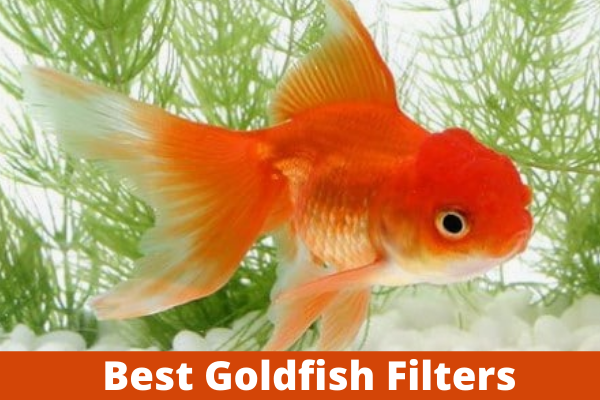
Best Goldfish Filters: 5 Current Options Compared

Best Goldfish Filters: 5 Current Options Compared

Goldfish need a filter with generous mechanical and biological capacity, reliable oxygenation and flow that does not exhaust the fish. They produce substantial solid waste, so choose by adult fish load and maintenance access—not only by the gallon number printed on the box.

Fancy goldfish representing the need for effective aquarium filtration
Goldfish filtration must handle heavy solid waste while maintaining oxygen and comfortable swimming conditions.

Affiliate disclosure: Aquarium Hunter may earn a commission from qualifying Amazon purchases, at no extra cost to you. Buying links are included only for exact products that could be matched confidently.

Quick comparison

Filter Best suited to Main tradeoff Buying option
AquaClear 70 Reusable, customizable media Needs rear clearance and intake protection Check on Amazon
Seachem Tidal 75 Large media basket and automatic restart Strong output may need adjustment for fancy goldfish Check on Amazon
Fluval C4 Separated, serviceable filtration stages More parts to clean Check on Amazon
Tetra Whisper IQ Simple HOB filtration with flow control Cartridge dependence and modest media flexibility Check on Amazon
Hikari Bacto-Surge Large Supplemental biological filtration, quarantine and gentle flow Air pump required; limited solids removal Read review

What goldfish filtration must do

Mechanical filtration captures feces, uneaten food and suspended debris before they break down. Biological filtration provides oxygenated surfaces for bacteria that convert ammonia to nitrite and then nitrate. Surface agitation and aeration support both fish and filter bacteria.

No filter makes an aquarium maintenance-free. Water changes remove dissolved waste that media cannot, and the substrate still needs appropriate cleaning. Test ammonia, nitrite, nitrate, pH and temperature rather than judging water quality by clarity alone.

How to size a filter for goldfish

  • Plan for adult fish. Fancy and single-tail goldfish differ in swimming ability and eventual size, but both create more waste than many small tropical fish.
  • Use the rating conservatively. A filter’s maximum tank label often assumes a lighter biological load than a goldfish aquarium.
  • Prioritize media volume. Space for coarse mechanical foam and established biological media is more useful than a high flow number alone.
  • Control current. Long-bodied single tails often tolerate more movement than round-bodied fancy goldfish. Fish should be able to rest and feed without being pushed continuously.
  • Build redundancy. Two appropriately sized filters can improve circulation and preserve some biological capacity during maintenance or failure.

AquaClear 70

Best for: owners wanting a large, open media basket with reusable components.

The AquaClear 70 is intended for 40–70 gallon aquariums and separates foam, chemical media and BIOMAX. The open basket lets the owner use coarse and fine mechanical media without replacing the entire bacterial colony on a schedule. Adjustable flow helps when a fancy goldfish needs gentler current.

Watch for: protect the intake around small or weak fish and keep the aquarium water level high enough to reduce splashing. After maintenance or an outage, confirm that the filter has restarted and is moving water.

Check the exact AquaClear 70 on Amazon
Official AquaClear product information

Seachem Tidal 75

Best for: a roomy basket, surface skimming and automatic restart.

The Tidal 75 is manufactured by Sicce for Seachem and provides a broad media basket rather than a sealed disposable cartridge. Its self-priming pump, adjustable intake and maintenance indicator are convenient for a heavily maintained aquarium.

Watch for: the flow can be substantial. Observe fancy goldfish and reduce or diffuse output if they struggle to hold position. The surface skimmer does not replace substrate cleaning or regular water changes.

Check the exact Seachem Tidal 75 on Amazon
Official Seachem Tidal 75 information

Fluval C4

Best for: owners who prefer clearly separated mechanical, chemical and biological stages.

The Fluval C4 uses staged compartments that can be serviced independently. This makes it easier to rinse mechanical pads without replacing established biological media. Flow control and a visible cleaning indicator help with routine maintenance.

Watch for: the C4 has more individual parts than a simple basket filter. Clean them methodically and avoid replacing all biological media together. Confirm clearance behind the aquarium.

Check the exact Fluval C4 on Amazon
Official Fluval C4 information

Tetra Whisper IQ

Best for: a straightforward hang-on-back filter with adjustable intake flow.

The verified Amazon listing is the 130 GPH Whisper IQ model. Its simple cartridge format is accessible to newer keepers, and flow control can help in a smaller fancy-goldfish setup or quarantine aquarium.

Watch for: the specific 130 GPH model is not suitable as the sole filtration for a large or heavily stocked goldfish aquarium. Cartridge replacement can remove useful bacteria, so preserve permanent biological surfaces and monitor water quality after maintenance.

Check the exact Tetra Whisper IQ 130 GPH model on Amazon
Official Tetra Whisper IQ information

Hikari Bacto-Surge Large sponge filter

Best for: supplemental biological filtration, quarantine tanks and gentle flow.

An air-driven sponge adds biological surface area and aeration without a dangerous intake. It is useful alongside a main mechanical filter and can be kept mature for emergency or quarantine use.

Watch for: a sponge does not capture large goldfish waste as efficiently as a strong mechanical stage. It needs an air pump, airline, check valve and regular squeezing in removed aquarium water. No clearly purchasable exact Amazon offer was available during this review.

Official Hikari Bacto-Surge information

Maintenance schedule

Inspect flow and visible debris weekly. Rinse mechanical foam or pads in removed aquarium water before they clog, but do not sterilize every media stage at once. Clean the impeller and intake as directed by the manufacturer. Replace chemical media only when it is used for a defined purpose and exhausted; biological media normally remains in service unless physically deteriorated.

Use test results and nitrate trends to determine water-change frequency. Any detectable ammonia or nitrite requires prompt investigation and corrective action.

Common mistakes

  • Choosing only by the box’s maximum tank rating.
  • Replacing every cartridge and biological medium together.
  • Using very strong current that prevents fancy goldfish from resting.
  • Allowing coarse waste to accumulate because the water still looks clear.
  • Assuming a filter compensates for crowding or inadequate aquarium volume.
  • Failing to test restart after a power outage or cleaning.

Frequently asked questions

Is a canister filter better for goldfish?

A canister can provide large media volume and neat plumbing, but it is not automatically better. Hang-on-back filters are easier to inspect and clean, while canisters require disciplined servicing. Choose the system you can maintain reliably.

Can I use two filters?

Yes. Two filters can improve circulation, mechanical capacity and redundancy. Arrange the intakes and returns so debris does not collect in dead zones and the fish retain calm resting areas.

Do goldfish need an air pump?

A filter return that strongly agitates the surface may provide adequate gas exchange, but an air pump adds useful redundancy and powers a sponge filter. Warm water, heavy stocking and medication can increase aeration needs.

How often should filter media be replaced?

Replace it when it is exhausted or physically deteriorated, not simply because a calendar says so. Rinse reusable mechanical media and preserve established biological media unless there is a specific reason to change it.

How we selected these filters

We prioritized current manufacturer support, meaningful media capacity, serviceability, controllable flow and distinct uses. We removed discontinued or unavailable products, generic marketing claims, temporary prices and ten old low-resolution product thumbnails. Amazon links point to exact models; manufacturer pages are included for specifications.

Related goldfish guidance

Filtration must be planned with adult fish size and enclosure capacity. See our guidance on koi and smaller-pond alternatives and our aquarium filter overview for additional system context.

Best Aquatic Turtle Food: 5 Current Options

Best Aquatic Turtle Food: 5 Current Options

The best food for an aquatic turtle is a correctly sized, life-stage-appropriate staple pellet—not a jar of dried shrimp marketed as a complete diet. Species, age and adult size still matter, and healthy feeding also depends on clean water, appropriate heat, UVB exposure and a usable basking area.

Aquatic turtle eating a balanced species-appropriate diet
A balanced staple pellet should form the reliable base of the diet, with other suitable foods providing variety.
Quick recommendation: Tetra ReptoMin Floating Food Sticks are a dependable general staple for many commonly kept aquatic turtles. Zoo Med’s stage-specific formulas are better when you want pellet size and protein level matched to a hatchling, growing turtle or large adult.

Quick comparison

Food Best use Type Buying option
Tetra ReptoMin General aquatic-turtle staple Floating sticks Check on Amazon
Zoo Med Growth Formula Growing turtles 2–6 inches Floating pellets Check on Amazon
Zoo Med Maintenance Formula Large adults 6 inches and over Floating pellets Check on Amazon
Fluker’s Buffet Blend Pellet-based variety Pellets with dried items Check on Amazon
Saki-Hikari Turtle Premium daily pellet Floating pellets View manufacturer

Formulas and package sizes can change. Match the label to your turtle’s species and life stage and check the live listing before ordering.

1. Tetra ReptoMin Floating Food Sticks

Best for: a widely available everyday staple for many aquatic turtles.

ReptoMin sticks float, making them easy for surface-feeding turtles to locate and allowing uneaten food to be removed. The stick format can be broken into smaller pieces where appropriate. Treat the label as the starting point and adjust feeding to the animal’s size, condition, activity and water temperature.

The 2025 FDA recall applied only to one lot—951790—of the separate ReptoMin 3-In-1 Select-A-Food product, not to other lots or product lines. Never use a recalled lot, and wash hands and feeding equipment after handling reptile food or aquarium water.

Check ReptoMin on Amazon   FDA recall details

2. Zoo Med Natural Aquatic Turtle Food—Growth Formula

Best for: growing aquatic turtles with shells approximately 2–6 inches long.

Zoo Med makes separate hatchling, growth and maintenance formulas. The Growth Formula uses a medium floating pellet and a higher protein level than the adult Maintenance Formula, making the life-stage distinction more useful than a vague “all turtles” label. Choose the package whose product name and pellet size match the animal in front of you.

Check Growth Formula on Amazon   Manufacturer guidance

3. Zoo Med Natural Aquatic Turtle Food—Maintenance Formula

Best for: large adult aquatic turtles around 6 inches or more in shell length.

The Maintenance Formula has larger 5/16-inch floating pellets and a manufacturer-listed analysis of 25% minimum crude protein, 5% minimum fat and 1.3–1.7% calcium. It is intended for adult maintenance rather than rapid juvenile growth. Owners of small species or younger turtles should choose the appropriate smaller-pellet formula instead.

Check Maintenance Formula on Amazon   Manufacturer nutrition details

4. Fluker’s Buffet Blend Aquatic Turtle Formula

Best for: adding convenient variety while retaining fortified pellets.

Buffet Blend combines vitamin-enriched pellets with freeze-dried shrimp and mealworms. It is preferable to feeding a container of dried shrimp alone because pellets remain part of the mixture. Selective turtles may pick out only the treats, however; if that happens, return to a consistent staple pellet and offer treats separately in limited amounts.

Check Fluker’s Buffet Blend on Amazon

5. Saki-Hikari Turtle

Best for: a premium floating daily diet.

Saki-Hikari Turtle is a balanced floating food with added calcium and vitamin D3. Hikari also includes its Hikari-Germ microorganism culture. Pellet size and the turtle’s feeding behavior still matter more than marketing features, and the product should be stored dry and replaced if it becomes damp, moldy or rancid.

An exact current Amazon offer was not verified, so the link goes to the manufacturer rather than to a similar or incorrect product.

View Saki-Hikari Turtle details

How to choose aquatic turtle food

Start with the species

“Turtle” covers animals with very different natural diets. Sliders, painted turtles, map turtles, musk turtles and softshells do not have identical requirements, and terrestrial box turtles and tortoises should not be fed from an aquatic-turtle roundup. Confirm the species before building a diet.

Match the life stage and pellet size

Young aquatic turtles often consume proportionally more animal matter and protein, while many species become more plant-oriented as they mature. A pellet should be small enough to swallow safely. Do not use rapid growth as the sole sign of good nutrition; steady development, body condition and shell quality are more useful.

Use treats as treats

Dried shrimp, mealworms and similar foods are palatable but should not displace a formulated staple. Suitable leafy greens and aquatic plants may be important for omnivorous adults, while occasional appropriate invertebrates can add enrichment. Avoid processed human food, seasoned meat and wild prey exposed to pesticides or parasites.

How much and how often?

There is no reliable universal scoop size. Follow the exact food’s directions, account for species and age, and remove leftovers promptly. Juveniles generally eat more frequently than adults. Overfeeding causes obesity and rapidly degrades water quality; persistent refusal to eat can indicate low temperature, stress, poor water conditions or illness rather than simple fussiness.

Monitor body condition and weight where practical. If growth, shell shape, buoyancy, eyes, appetite or droppings seem abnormal, consult a veterinarian experienced with reptiles.

Food cannot replace husbandry

Calcium in a pellet cannot compensate for inadequate UVB exposure, incorrect basking temperatures or the absence of a fully dry basking site. Maintain clean, appropriately heated water, powerful biological filtration, a safe heat source and UVB lighting positioned and replaced according to its manufacturer. These factors work together with diet to support shell and skeletal health.

Wash hands with soap after feeding, cleaning or touching a turtle or its habitat. Reptiles can carry Salmonella even when they appear healthy; supervise children and keep turtle equipment away from food-preparation areas.

Frequently asked questions

Can turtles live on dried shrimp?

No. Dried shrimp are better treated as an occasional extra, not a complete staple diet.

Do all aquatic turtles need vegetables?

No single rule fits every species or age, but many commonly kept omnivorous turtles benefit from increasing suitable plant matter as they mature. Research the exact species.

Can fish food be used instead?

A small amount is unlikely to be an emergency, but fish food is not formulated as a long-term complete diet for turtles. Use a suitable turtle staple.

Final verdict

Tetra ReptoMin is the best straightforward general staple here. Zoo Med’s Growth and Maintenance formulas make life-stage selection clearer, while Saki-Hikari is a premium alternative. Fluker’s Buffet Blend is best used by turtles that eat the fortified pellets as well as the dried ingredients—not as permission to select only treats.

Affiliate disclosure: Aquarium Hunter may earn a commission from qualifying Amazon purchases, at no additional cost to you. Recommendations are matched to the exact products discussed.

Best Aquarium Carpet Plants: 7 Choices for Your Setup

Best Aquarium Carpet Plants: 7 Choices for Your Setup

The best aquarium carpet plant is one that can spread under the light and carbon supply your tank actually provides. For a tank without injected CO₂, start by considering Marsilea hirsuta or a low mat of Java moss. For a compact, small-leaved lawn in a planted tank with stronger lighting and CO₂, Monte Carlo is a more practical starting point than demanding dwarf baby tears.

A carpet is a planting style, not a guarantee of easy care. Some plants stay short; others form a taller meadow or need frequent trimming. This guide compares seven useful choices and explains how to establish them without relying on promises of an instant, maintenance-free lawn.

Best aquarium carpet plants at a glance

Choose by growing conditions, not just the photograph on the package.
Plant Best use Main limitation
Marsilea hirsuta A lower-demand rooted carpet Leaf shape and height change after planting
Monte Carlo A compact, rounded-leaf lawn Best results need good light and added CO₂
Dwarf hairgrass ‘Mini’ A fine, grassy foreground Needs adequate light at the substrate
Dwarf sagittaria A forgiving, taller meadow Can grow much taller than its name suggests
Cryptocoryne parva A slow-growing, small-leaved foreground Slow coverage; dislikes being shaded
Java moss A mat attached to low hardscape Traps debris and needs shaping
Dwarf baby tears ‘Cuba’ A fine-textured high-tech carpet High light and CO₂ demands

1. Marsilea hirsuta: a practical low-tech starting point

Marsilea hirsuta is an aquatic fern that spreads through runners. Its relatively low light and CO₂ requirements make it a sensible choice when you want rooted foreground coverage without building a high-tech aquascape.

Do not expect every leaf to resemble a four-leaf clover. Nursery-grown plants can change considerably underwater, producing single or divided leaves. Height also varies with conditions, so leave room for a less uniform result than the very short lawn in a sales photograph.

Choose it if adaptability matters more than achieving a precise appearance quickly. Give new growth time to develop before repeatedly moving the plants.

2. Monte Carlo: a rounded-leaf carpet for a well-equipped tank

Micranthemum tweediei ‘Monte Carlo’ makes a bright green carpet with small, rounded leaves. It is generally more forgiving than dwarf baby tears, but “easier” does not mean it will form a dense lawn under any aquarium lid.

Moderate to strong light, adequate nutrients, and injected CO₂ give the most dependable compact growth. A no-CO₂ setup may support it, but coverage can be slower and less predictable. Do not buy it on the assumption that extra hours of weak light will solve that limitation.

Once established, trim before the mat becomes thick and layered. Shaded lower growth can deteriorate and allow sections to lift. Remove loose clippings instead of leaving them to collect around the filter intake.

3. Dwarf hairgrass ‘Mini’: for a fine lawn effect

Check the scientific name when shopping: “dwarf hairgrass” can refer to different plants. Tropica lists Eleocharis pusilla ‘Mini’, also encountered under older trade naming, as a short foreground option with leaves around 1–2 inches long under suitable conditions.

This is a good choice for an open grassy foreground, especially in a smaller aquascape. It still needs useful light down at substrate level; a tall tank or overhanging plants can make that difficult. Tropica rates its light and CO₂ demands as medium.

Separate the purchased clump into small plugs rather than burying one dense block. Leave exposed substrate between them so spreading growth has room to fill in.

4. Dwarf sagittaria: a meadow rather than a miniature lawn

Sagittaria subulata is a useful, comparatively undemanding runner plant. Its straplike leaves suit a natural-looking foreground in a larger aquarium.

The important caveat is size. Despite the common name, it can become several inches tall and sometimes much taller. Tropica reports growth approaching 20 inches in some conditions. It is therefore a poor choice when your design requires every leaf to remain below 2 inches.

Plant individual rosettes with their roots covered and the crown at the substrate surface. Remove unwanted daughter plants to keep a path open, or relocate taller plants toward the back.

5. Cryptocoryne parva: for patient aquarists

Cryptocoryne parva forms a small, grassy-looking foreground, but it is not a fast way to cover bare substrate. Its slow growth makes a dense initial planting useful if you want a fuller appearance sooner.

Unlike the reputation of many larger crypts, this species needs good light to develop well. Avoid placing it beneath broad leaves or a thick cover of floating plants. Keep the root zone supplied with nutrients and leave healthy plants settled while they establish.

Choose it for gradual, manageable coverage rather than a quick carpet. Remove deteriorating leaves carefully instead of uprooting the whole planting at the first sign of adjustment.

6. Java moss: a carpet alternative for hardscape

Java moss, commonly sold as Taxiphyllum barbieri, tolerates lower light and does not need a nutrient-rich substrate beneath it. Attach a thin layer to low rocks or wood for a soft green foreground.

It is not a rooted lawn. Leaving a loose ball on the bottom rarely produces a tidy carpet, and thick growth can collect food and debris. Secure it without loose loops that could catch fish, trim it into shape, and gently remove trapped waste during maintenance.

This is a useful alternative when your main aim is low greenery and shelter rather than perfectly even coverage. See our low-light aquarium plant guide for other manageable planting choices.

7. Dwarf baby tears ‘Cuba’: a demanding option

Sold as Hemianthus callitrichoides or Micranthemum callitrichoides ‘Cuba’, dwarf baby tears has exceptionally small leaves and can produce a fine-textured carpet.

It belongs in a setup that can provide strong light, added CO₂, nutrients, and circulation. It should not be presented as an easy beginner choice for every tank. If you cannot supply those conditions consistently, choose Marsilea or consider Monte Carlo with realistic expectations.

Plant small portions and maintain a thin mat through regular trimming. A lush top surface can hide declining lower growth if the carpet gets too thick.

How to plant and establish a carpet

  1. Plan the root zone. Choose substrate that holds small roots securely. Nutrient-bearing aquarium soil and inert sand or gravel are different systems; inert material may need root fertilizer as well as water-column feeding. Our planted-tank substrate guide explains the options.
  2. Prepare the plants. Rinse the growing medium from tissue-culture plants. Remove pots and packing material from potted specimens carefully, then divide the plants into manageable portions. Keep them moist while working.
  3. Plant small groups. Use tweezers to anchor roots while leaving leaves above the substrate. For many small carpeting plants, roughly 1 inch between portions is a useful starting layout, adjusted to the plant and quantity available. Attach moss to hardscape instead of burying it.
  4. Fill gently. Direct the water onto a plate or another protected surface so the flow does not wash new plugs out. In an established tank, work in sections to limit disruption.
  5. Start with a controlled light schedule. Around six hours daily is a reasonable starting point for a newly planted aquarium. Adjust gradually as growth becomes established. Duration cannot compensate for unsuitable intensity, shading, or insufficient carbon.
  6. Feed for the setup. Follow the fertilizer and substrate instructions rather than adding multiple products blindly. See our aquarium plant fertilizer guide for the difference between root and liquid feeding.

Plants do not make a new aquarium instantly ready for livestock. Complete cycling and check water quality before stocking. Choose a carpet layout that also leaves suitable feeding and resting areas for your fish.

Why a carpet fails to fill in

  • Plugs float up: check planting depth, substrate grip, and whether fish are disturbing them. Replant carefully rather than burying all the leaves.
  • Growth reaches upward: review shading and the light reaching the bottom, but also confirm the species. Dwarf sagittaria may simply be a taller plant than your design needs.
  • Old leaves deteriorate: remove decaying material and look for healthy new growth. Nursery-grown plants may change form after submersion; ongoing decline needs a review of light, nutrition, and stability.
  • Algae covers the plants: clean gently, remove waste, and review the lighting schedule and overall balance. Longer lighting is not a general cure for slow growth.
  • A mature mat lifts: thin overgrown sections and replant healthy portions. Keeping a carpet low enough for light to reach its lower growth is part of routine care.

Buying the right plant

Buy a named live plant from a seller who identifies the species and growing form. Compare portion size, condition, shipping protection, and whether the plant is tissue cultured or nursery grown. An unidentified “water shamrock” or generic carpet listing is not enough information to predict aquarium suitability.

For a first carpet, choose one species and a modest planting area. Expand once it is producing healthy new growth. A smaller successful patch is more useful than a full foreground of plants whose requirements your tank cannot meet.

Sources and further reading

Plant requirements were checked against Tropica’s cultivation profiles. Growth and final height depend on the individual aquarium.

Best Aquarium Starter Kits: 4 Current Options

Best Aquarium Starter Kits: 4 Current Options

Disclosure: Aquarium Hunter may earn a commission from qualifying purchases made through links on this page, at no extra cost to you.

A good aquarium starter kit removes some of the guesswork, but the best choice still depends on the fish you plan to keep. For most beginners, a 20-gallon rectangular tank is easier to stock and keep stable than a tiny desktop aquarium. Smaller kits can work well for a single betta, shrimp or a carefully planned nano setup, but they leave less room for error.

Established freshwater aquarium showing the result a well-planned starter kit can achieve
An aquarium kit is only the starting point: appropriate stocking, cycling and regular maintenance matter just as much.

Quick comparison

Starter kit Size Best for Important limitation Buying option
Tetra Complete LED 20 20 gal Best all-round beginner choice Basic light and included equipment Check on Amazon
Fluval Spec 16 16 gal Stylish planted or small-fish setup Heater normally sold separately Check on Amazon
Aqueon Rectangle LED Kit 10 gal Compact heated freshwater setup Less forgiving than a 20-gallon tank Manufacturer details
Marineland Portrait 5 gal Single betta, shrimp or careful nano use Not a community-fish tank Check on Amazon

Our picks

1. Tetra Complete LED 20 — best overall for beginners

The Tetra Complete LED 20 is our strongest general recommendation because its rectangular 20-gallon footprint gives a new keeper more stocking flexibility and more stable water conditions than a five- or ten-gallon kit. The current kit includes a glass aquarium, LED hood, Tetra Whisper PF20 filter and a 100-watt heater.

It is a practical starting point for a modest tropical community once the tank is fully cycled and the fish have been checked for adult size, temperament and minimum group number. The supplied light is intended for general viewing; demanding live plants may need a lighting upgrade.

Check the Tetra Complete LED 20 on Amazon · Read the manufacturer specifications

2. Fluval Spec 16 — best premium compact kit

The Fluval Spec 16 combines a clean display-tank look with a concealed rear filtration compartment. Its integrated three-stage filtration and adjustable-output pump make it a polished option for small fish or a planted display, provided the stocking plan suits the tank’s footprint and flow.

A heater is not normally part of the kit, so tropical setups should budget for a correctly sized heater and a separate thermometer. The strong integrated light is useful for many common aquarium plants, but plant requirements still vary.

Check the Fluval Spec 16 on Amazon · Read the manufacturer specifications

3. Aqueon Rectangle LED Kit — best conventional 10-gallon option

Aqueon’s current rectangle LED range is a straightforward traditional setup. The 10-gallon version is listed with a glass aquarium, low-profile LED hood, QuietFlow filter, heater, thermometer, net, food, water conditioner and setup guide. That is a useful equipment bundle, although you will still need a water test kit, substrate, decorations or plants, and maintenance supplies.

Ten gallons can suit a carefully researched small-species plan, but it should not be treated as a miniature community tank. We are linking to the manufacturer because we did not find a sufficiently reliable exact Amazon listing for the current kit.

See the current Aqueon Rectangle LED kits

4. Marineland Portrait 5 — best for a carefully planned nano tank

The Marineland Portrait is attractive and compact, with hidden three-stage filtration, adjustable flow and an LED light. Its five-gallon volume makes it most appropriate for a single betta, shrimp or another deliberately researched nano setup—not a mixed community of fish.

Small tanks change quickly when food, waste or temperature fluctuates. Plan weekly maintenance, monitor water closely and make sure the filter flow suits the animal you choose. A heater may also be required for tropical livestock.

Check the Marineland Portrait 5 on Amazon · Read the manufacturer specifications

How to choose an aquarium starter kit

Choose the fish before the tank

Research the species’ adult size, social needs, swimming space, temperature range and temperament before buying a kit. A fish that is small in a shop may grow substantially, and many small fish need to live in groups. Tank length and floor area can matter as much as the advertised gallon capacity.

Bigger is often easier

More water dilutes waste and changes temperature more slowly. That does not make a larger tank maintenance-free, but a 20-gallon aquarium usually gives a beginner a wider safety margin than a tiny desktop kit. Make sure the stand is level and rated for the filled weight; water alone weighs about 8.3 lb per US gallon.

Check what the kit really includes

A kit may still need a heater, thermometer, liquid water test kit, dechlorinator, substrate, siphon, dedicated bucket, timer and decorations or plants. Confirm that the included heater suits the intended temperature and that the filter flow is appropriate for the livestock.

Do not replace all filter media at once

Beneficial bacteria live on filter media and other wet surfaces. Rinse reusable media gently in removed aquarium water when needed, and avoid replacing every piece at the same time. Disposable cartridges can be convenient, but preserving mature biological media is more important than following a rigid replacement calendar.

Before adding fish: cycle the aquarium

A newly filled tank is not biologically ready for fish. Use a fishless cycling method and a reliable test kit to establish bacteria that process toxic ammonia and nitrite. Add livestock only when the cycle is complete and tests show zero ammonia and zero nitrite, with nitrate being produced. Continue testing after fish are introduced and add animals gradually.

Use water conditioner whenever tap water containing chlorine or chloramine is added. Place electrical cords with drip loops, keep power connections away from splashes and never run a heater or filter dry.

Frequently asked questions

Is a 5-gallon aquarium good for beginners?

It can work for a single betta, shrimp or another appropriate nano plan, but it is less forgiving than a larger tank. A five-gallon aquarium is not suitable for a conventional mixed community.

Does an aquarium kit come ready for fish?

No. Even a complete kit must be assembled, dechlorinated and cycled before fish are added. You may also need equipment and supplies that are not included.

What size tank is best for a first aquarium?

For many beginners, a standard 20-gallon rectangular tank is a useful balance of stability, manageable maintenance and stocking flexibility. The right answer still depends on the species and the available space and budget.

Our verdict

The Tetra Complete LED 20 is the best general starting point in this group because its size gives a beginner more room to build a sensible freshwater community. The Fluval Spec 16 is the more refined compact choice, while the Marineland Portrait 5 should be reserved for a carefully planned nano setup.

Best Substrate for Betta Fish: 4 Safe Options

Best Substrate for Betta Fish: 4 Safe Options

The best substrate for a betta fish is smooth, chemically suitable and easy to clean. Bettas do not require a special gravel for digestion or health. A fine inert sand or small rounded natural gravel works for most established tanks, while a stable planted substrate can be useful when the aquarium contains rooted plants. Avoid sharp stones, glass marbles used as a full bed, and particles that trap large amounts of waste.

Betta fish swimming above a smooth aquarium substrate
A betta’s substrate should support safe resting, plants and straightforward cleaning without sharp edges.

Affiliate disclosure: Aquarium Hunter may earn a commission from qualifying Amazon purchases, at no extra cost to you. Products are included for suitability and current availability rather than commission.

Quick comparison

Substrate Best use Texture and chemistry Buying option
CaribSea Peace River Best general rounded gravel Natural 1–2 mm grains; uncoated Check on Amazon
CaribSea Moonlight Sand Best light fine sand Natural 0.25–0.75 mm freshwater sand Check on Amazon
AquaNatural Galaxy Sand Best dark decorative sand Dark natural aquascaping sand Check on Amazon
Seachem Flourite Black Sand Best durable planted option Stable porous clay; does not alter pH Check on Amazon

What matters in a betta substrate?

Smooth edges

Betta fins can tear on sharp décor, and the fish may rest on the bottom. Run a hand over dry gravel and remove pieces with cutting edges. Aquarium-safe smooth sand or rounded fine gravel is preferable to crushed, jagged or decorative craft material.

Stable water chemistry

Domestic bettas are normally kept in warm freshwater with stable, species-appropriate parameters. Avoid aragonite, crushed coral and limestone substrates unless testing shows that raising alkalinity is part of a deliberate water plan. Most betta tanks need an inert substrate rather than a strong buffer.

Manageable grain size

Fine sand keeps waste visible on the surface. Small gravel allows water movement between grains but traps food and debris, so it needs deeper vacuuming. Very large pebbles and marbles create inaccessible gaps where uneaten food decays.

Plant compatibility

Plants provide cover and resting places, but decorative sand or gravel is not complete plant nutrition. Root-feeding species may need root tabs; epiphytes such as Anubias and Java fern should be attached to wood or rock rather than burying the rhizome.

Four current substrate options

CaribSea Super Naturals Peace River

Best for: a natural fine-gravel betta tank.

CaribSea lists Peace River at approximately 1–2 mm and describes its Super Naturals range as uncoated. The rounded, relatively small grains are easier to arrange around plants than large decorative stones and create fewer deep waste pockets than marbles.

Tradeoffs: waste can still settle between the grains. Vacuum an open section during each water change and keep heavy décor supported independently of the loose substrate.

Check CaribSea Peace River on Amazon | Manufacturer specifications

CaribSea Super Naturals Moonlight Sand

Best for: a bright freshwater display with a fine surface.

Moonlight Sand has a published grain size of about 0.25–0.75 mm. Food and waste remain visible on top, making spot cleaning straightforward. Its light color works well with darker plants and décor.

Tradeoffs: white sand shows detritus and can shift under strong outlet flow. Use a shallow manageable bed, fill the tank slowly and keep the filter intake above the substrate.

Check CaribSea Moonlight Sand on Amazon | Manufacturer specifications

AquaNatural Galaxy Sand

Best for: a dark aquascape that visually emphasizes a colorful betta.

The verified ten-pound listing is intended as aquarium and aquascaping substrate rather than a small craft-sand packet. Dark substrate can reduce glare and makes pale waste less visually dominant.

Tradeoffs: confirm the current package instructions and rinse if directed. Dark color does not prove that a material is inert or safe, so use only the labeled aquarium product and monitor pH, KH and GH after installation.

Check AquaNatural Galaxy Sand on Amazon

Seachem Flourite Black Sand

Best for: a planted betta aquarium needing a long-lasting dark mineral substrate.

Seachem describes Flourite Black Sand as a stable porous clay material that is not chemically coated and does not alter pH. It can be used alone and does not require scheduled replacement.

Tradeoffs: it can be dusty after shipping. Rinse thoroughly, fill slowly over a plate, and use mechanical filter floss during clearing. It is not a substitute for a complete plant fertilization plan.

Check Seachem Flourite Black Sand on Amazon | Manufacturer specifications

Do bettas need substrate?

A betta can live safely in a bare-bottomed hospital, quarantine or breeding setup when water quality and enrichment are managed properly. In a permanent display, substrate improves appearance, anchors plants and provides microbial surface area. The filter remains the primary controlled biofilter; substrate alone does not cycle the aquarium.

How much substrate?

Calculate by tank footprint, not gallons alone. About one inch is often enough for a simple decorative bed; rooted areas may need roughly two inches or a deliberate slope. Avoid an unnecessarily deep uniform layer that is hard to clean. Manufacturer coverage calculators are more accurate because substrate density varies.

Installation and maintenance

  1. Confirm the material is labeled for aquarium use and suits the water chemistry.
  2. Rinse dry substrate as directed without soap, detergent or household cleaners.
  3. Place rocks and heavy décor securely before adding loose substrate around them.
  4. Fill slowly onto a plate to limit clouding.
  5. Protect the filter intake with correct placement or a prefilter sponge.
  6. Cycle the filter and verify zero ammonia and zero nitrite before adding the betta.
  7. Hover a siphon over sand or press it into gravel during regular partial water changes.

Substrates to avoid

  • Sharp gravel or crushed stone: it can damage fins and resting fish.
  • Glass marbles as a full bed: large gaps trap food and make cleaning difficult.
  • Unknown craft or landscaping materials: coatings and chemistry may be unsuitable.
  • Strongly buffering coral or aragonite without a tested need: it can push water parameters away from the target.
  • Very deep fine sand: it is harder to maintain and unnecessary for most betta displays.

Frequently asked questions

Is sand or gravel better for a betta?

Both can work. Smooth sand is easy on fins and keeps waste on the surface; rounded fine gravel stays put and anchors plants but needs deeper vacuuming. Choose the option you can maintain consistently.

Can bettas eat gravel?

Bettas may investigate food that falls onto the bottom, but substrate is not food. Remove uneaten food and avoid particles or gaps that encourage waste accumulation.

Can live plants grow in sand?

Yes. Root feeders may need root tabs, while plants that feed from the water column need appropriate liquid nutrition. Do not bury the rhizomes of Anubias or Java fern.

How often should substrate be replaced?

Stable aquarium sand or gravel does not need scheduled replacement. Clean it in sections and replace it only for deterioration, contamination or a planned habitat change.

Bottom line

Peace River is the strongest rounded-gravel choice, Moonlight provides a fine light sand, Galaxy gives a dark decorative finish, and Flourite Black Sand suits planted layouts. Whichever you choose, prioritize smooth texture, stable water chemistry, a manageable depth and routine cleaning.

Best Goldfish Food: 5 Current Staple Diets

The best goldfish food is a complete diet that matches the fish’s size, feeding position and water temperature while producing minimal waste. Pellets, granules, flakes and gel foods can all work; consistent portions, variety and water quality matter more than promises of rapid growth or instant color.

Healthy goldfish ready for a measured feeding
Feed small, controlled portions and remove leftovers before they degrade water quality.
Quick recommendation: Fluval Bug Bites Goldfish Formula is the best convenient staple here. Repashy Super Gold is the most flexible option for fancy goldfish when you are comfortable preparing and storing gel food.

Quick comparison

Food Best use Format Buying option
Fluval Bug Bites Everyday staple Slow-sinking granules Check on Amazon
Repashy Super Gold Fancy goldfish Prepared gel Check on Amazon
NorthFin Goldfish Dense slow-sinking food 2 mm or 3 mm pellets Check on Amazon
New Life Spectrum Small sinking pellet Pellets Check on Amazon
TetraFin Goldfish Small fish Flakes Check on Amazon

Choose a size the fish can swallow easily and check the current package for formula and feeding changes.

1. Fluval Bug Bites Goldfish Formula

Best for: a convenient complete daily food.

Bug Bites Goldfish Granules use black soldier fly larvae as a leading ingredient and sink slowly, which suits many fancy goldfish that feed below the surface. Fluval lists a 1.4–2.0 mm granule and a fiber-enriched formula. The pellet version is better for larger fish, while flakes suit small mouths.

Check Bug Bites on Amazon   Manufacturer details

2. Repashy Super Gold

Best for: adjustable soft portions and variety.

Super Gold powder is mixed with boiling water to form a soft gel. Repashy directs users to mix one part powder with two to three parts water and store prepared gel for up to two weeks refrigerated or six months frozen. Cut it to the correct size, prepare it hygienically and remove uneaten pieces.

Check Repashy Super Gold on Amazon   Preparation instructions

3. NorthFin Goldfish Formula

Best for: a compact slow-sinking pellet.

NorthFin offers 2 mm and 3 mm slow-sinking pellets and lists 36% minimum crude protein and 5% minimum crude fat. Choose the smaller size for young or small fancy goldfish and ensure every fish gets access.

Check NorthFin on Amazon   Manufacturer analysis

4. New Life Spectrum Goldfish Formula

Best for: a small sinking everyday pellet.

Sinking food suits goldfish that readily forage in midwater or near the bottom. It can reduce frantic surface gulping, although buoyancy disorders have many causes and are not cured simply by changing pellet direction. Persistent floating, rolling, swelling or appetite changes require water testing and veterinary advice.

Check New Life Spectrum on Amazon

5. TetraFin Goldfish Flakes

Best for: small fish and easy portioning.

Flakes are easy to crush and spread across the surface but become soggy and disperse quickly. Feed a small pinch at a time, keep wet fingers out of the container and replace food that smells stale or has absorbed moisture.

Check TetraFin on Amazon

How much should goldfish eat?

Package instructions are a starting point, not permission to feed until fish stop begging. Offer a small measured amount, watch every fish and remove leftovers. Adjust for fish size, number, body condition, activity, water temperature and food density. Weighing a weekly ration is more repeatable than using pinches.

Outdoor pond fish require temperature-specific feeding decisions. Food may need to be reduced or stopped in cold conditions according to the diet manufacturer’s directions and fish behavior.

Variety, growth and color

A complete food should remain the base. Suitable extras can include blanched leafy greens, shelled cooked peas in modest portions and appropriately sourced frozen foods. Peas are not a universal medical treatment. Avoid bread, crackers, seasoned food and wild prey exposed to pesticides or parasites.

Healthy growth depends on genetics, space, water quality, temperature and balanced nutrition. Carotenoid ingredients can support natural coloration but cannot create pigment the fish does not genetically possess.

Feed without polluting the aquarium

  • Test ammonia, nitrite and nitrate routinely.
  • Use several feeding locations when one fish dominates.
  • Remove gel, vegetables and pellets before they decay.
  • Keep biological filter media wet and never replace it all during cleaning.
  • Store food sealed, cool and dry; buy a size that will be used while fresh.

Frequently asked questions

Are sinking pellets better than flakes?

Neither is universally better. Sinking food suits many goldfish, while flakes work well for small mouths. Size, freshness and quantity matter most.

Should pellets be soaked?

Follow the label. Brief wetting may soften food, but prolonged soaking can leach nutrients. Choose a smaller pellet instead of routinely soaking oversized food.

Why is my goldfish always hungry?

Goldfish are persistent foragers and commonly beg. Appetite alone is not a safe portion guide; use measured food and monitor body condition and water quality.

Final verdict

Fluval Bug Bites is the best convenient everyday choice here. Repashy provides the most control over texture and portion size, while NorthFin and New Life Spectrum are strong slow-sinking alternatives. TetraFin remains a practical flake when portions are kept tight.

Affiliate disclosure: Aquarium Hunter may earn a commission from qualifying Amazon purchases, at no additional cost to you. Recommendations are matched to the exact foods discussed.

Best RO/DI Systems for Reef Aquariums: 5 Options

Best RO/DI Systems for Reef Aquariums: 5 Options

A reef aquarium RO/DI system should produce consistently low-TDS source water, protect its membrane from sediment and disinfectants, and make cartridge condition easy to monitor. The best choice depends on tap-water chemistry, pressure, required daily output, replacement-filter availability and whether your utility uses chlorine or chloramine.

Multi-stage reverse-osmosis deionization system for aquarium water
A reef RO/DI unit uses prefilters, an RO membrane and deionization resin to prepare consistent source water.
Quick recommendation: The LiquaGen 5-Stage RO/DI is the best conventional reef-focused option here. The compact Aquatic Life RO Buddie +DI suits lower-volume production, while SpectraPure is the stronger premium choice when monitoring and long-term replacement support matter most.

Quick comparison

System Best for Key point Buying option
LiquaGen 5-Stage Best all-round reef option Standard housings and final DI stage Check on Amazon
Aquatic Life RO Buddie +DI Compact, lower-volume use 50 GPD rating under specified conditions View manufacturer
AquaFX Barracuda Conventional reef system Confirm current membrane and accessories Check on Amazon
Koolermax AR-122 Higher nominal output Verify pressure and replacement compatibility Check on Amazon
SpectraPure MaxCap Premium monitoring and support Multiple current capacities View manufacturer

Rated GPD output is measured under specific pressure and temperature conditions. Real production is commonly lower with cold water or low pressure.

1. LiquaGen 5-Stage RO/DI System

Best for: a conventional reef-focused system using standard cartridges.

LiquaGen’s current elementary five-stage layout uses sediment filtration, two carbon stages, an RO membrane and mixed-bed DI resin. The current 75 GPD model includes an automatic shutoff and check valve, and optional pressure-gauge and dual-TDS monitoring upgrades are available. Standard 10-inch prefilter housings simplify sourcing replacements.

Choose the membrane capacity for actual weekly water-change and evaporation-replacement needs rather than the largest headline figure. A pressure gauge and TDS readings before and after DI are more useful upgrades than additional unlabeled “stages.”

Check LiquaGen on Amazon   Current manufacturer details

2. Aquatic Life 50 GPD 4-Stage RO Buddie +DI

Best for: smaller aquariums and compact storage.

The current four-stage RO Buddie +DI includes sediment, carbon, membrane and color-changing mixed-bed DI cartridges. Aquatic Life rates output at up to 50 gallons per day at 65 PSI and 77°F, with a typical rejection ratio of about 1:3.4. In a cool or low-pressure home, expect slower production.

Its compact proprietary cartridges are convenient but smaller than standard 10-inch housings. Check replacement cost and availability before choosing it for a large reef. An exact current four-stage Amazon listing was not verified, so we link to the manufacturer.

View the current RO Buddie +DI

3. AquaFX Barracuda RO/DI

Best for: buyers wanting a traditional full-size reef RO/DI format.

The Barracuda uses the familiar sediment, carbon, RO and DI sequence in full-size housings. That layout is easier to service than many compact units and allows each stage to be replaced for its actual condition. Confirm the current listing’s membrane capacity, chloramine suitability, gauge, flush valve and TDS meter because packages under the same family name can vary.

Check the AquaFX Barracuda on Amazon

4. Koolermax AR-122 6-Stage RO/DI

Best for: shoppers prioritizing higher nominal output and an included gauge.

The AR-122 is sold as an aquarium RO/DI system rather than a remineralizing drinking-water filter. Its extra stage count should not be treated as proof of better water: membrane rejection, adequate carbon contact time, fresh DI resin and accurate monitoring determine performance.

Verify that replacement cartridges and the exact membrane size remain readily available. High-output membranes also require adequate feed pressure and matching flow restriction to perform properly.

Check the Koolermax AR-122 on Amazon

5. SpectraPure MaxCap RO/DI Systems

Best for: premium reef installations and long-term cartridge support.

SpectraPure currently supports MaxCap aquarium RO/DI systems in several capacities and maintains manuals, diagrams and replacement matching for its product families. That documentation is valuable when diagnosing rejection rate or ordering the correct resin and prefilters years later.

Current configurations vary, so choose directly from the manufacturer by feed-water chemistry, output and monitoring needs. No exact Amazon offer was verified for the current configuration.

Compare current SpectraPure systems

RO versus RO/DI

Reverse osmosis removes most dissolved material, while DI resin polishes the remaining ions after the membrane. For reef aquariums, a properly functioning final DI stage provides more predictable source water than RO alone. Drinking-water systems with an alkaline or remineralization cartridge deliberately add minerals back and are not the preferred final path for reef water.

What to check before buying

Tap-water disinfectant

Ask the water utility whether it uses chlorine or chloramine. Chloramine can require greater carbon capacity or a purpose-designed carbon stage to protect the membrane. Do not guess from taste or smell.

Pressure and temperature

Membranes need adequate pressure. Low pressure reduces output and can worsen efficiency; a correctly selected booster pump may help. Never run hot water through an RO membrane. Output ratings normally assume warmer water than many household cold-water supplies.

TDS monitoring

Measure feed TDS, RO-only permeate and final DI water. Membrane rejection is calculated from feed and RO-only readings—not from the DI outlet. Replace DI resin before it releases weakly held ions, and do not rely only on color change.

Output and storage

A 50 GPD label means theoretical production across 24 hours under rated conditions, not a 50-gallon batch on demand. Use a food-safe reservoir with a secure float shutoff if the system is designed for one, plus an independent overflow plan. Never leave a running unit unattended solely because it has an auto-shutoff valve.

Installation and maintenance

  1. Install according to the exact manual and verify that sediment and carbon stages precede the membrane and DI follows it.
  2. Flush new carbon cartridges and the membrane as directed before sending water through DI.
  3. Check every fitting under pressure and provide a safe route for reject water.
  4. Record pressure and TDS readings when the system is new; these become the maintenance baseline.
  5. Replace sediment and carbon filters based on pressure loss, chlorine protection, water use and manufacturer limits.
  6. Change DI resin when final TDS rises from zero or according to the resin manufacturer’s guidance.
  7. Sanitize housings during scheduled service and never use cartridges of uncertain identity.

Wastewater and efficiency

RO creates a concentrated reject stream. The ratio depends on membrane, restrictor, pressure, temperature and feed water. Do not arbitrarily restrict the waste line to save water; inadequate concentrate flow can foul or damage the membrane. Where local rules allow, collect reject water for suitable non-potable household uses, avoiding salt-sensitive plants.

Frequently asked questions

Is zero TDS water ready for the aquarium?

No. RO/DI water must be mixed with an appropriate salt mix for a marine aquarium, or remineralized to controlled hardness for freshwater use. Never place animals directly into pure RO/DI water.

How often should filters be replaced?

There is no reliable universal calendar. Sediment load, disinfectant exposure, water use, pressure and TDS readings determine service life. Stay within each manufacturer’s maximum interval even when appearance seems acceptable.

Why did production slow down?

Cold water, low pressure, clogged prefilters, a fouled membrane or an incorrect flow restrictor are common causes. Compare current readings with the system’s clean baseline.

Final verdict

LiquaGen’s five-stage system is the best all-round conventional choice here. The RO Buddie +DI suits compact, lower-volume use, while AquaFX and Koolermax offer full-size alternatives whose current bundle details should be checked carefully. SpectraPure is the premium choice for buyers who value long-term documentation, monitoring and replacement support.

Affiliate disclosure: Aquarium Hunter may earn a commission from qualifying Amazon purchases, at no additional cost to you. We link only to products that match the models discussed.

Best Aquarium Rocks: 5 Safe Options Compared

Aquascaping plants

Aquarium rock should be chosen for both appearance and water chemistry. Some stone is largely inert, while limestone, coral rock and many pieces sold as Seiryu can raise hardness and alkalinity. The safest choice also needs stable placement, smooth enough surfaces for the livestock and enough open space for maintenance and swimming.

Freshwater aquascape using securely arranged natural aquarium rocks
Build rockwork on a stable base and choose stone whose chemistry suits the aquarium.
Quick recommendation: Ohko Dragon Stone is the best general choice here for a planted freshwater aquascape after thorough cleaning. For a marine reef foundation, use purpose-sold aragonite base rock such as CaribSea South Seas rather than collecting unknown stone.

Quick comparison

Rock Best use Chemistry Buying option
Ohko Dragon Stone Planted aquascapes Usually selected as a low-impact stone; test each batch Check on Amazon
Black Lava Rock Lightweight planted layouts Typically low impact; verify coating and source Check on Amazon
Black Mountain Seiryu Hard-water aquascapes May raise KH, GH and pH Check on Amazon
CaribSea South Seas Base Rock Marine and reef foundations Aragonitic; suited to marine chemistry Check on Amazon
Marina Naturals Rock Outcrop Lightweight artificial décor Designed as aquarium ornament Check on Amazon

Natural-rock lots vary in shape, weight and mineral content. The photographs may not show the exact pieces supplied.

1. Ohko Dragon Stone

Best for: detailed planted-tank layouts.

Dragon stone has an eroded, layered texture that creates scale and planting pockets. Its cavities commonly arrive packed with clay, so soak the pieces and flush every hole repeatedly before they enter the aquarium. Do not boil rocks: trapped moisture or air can make some stone fracture dangerously.

It is often chosen for soft-water aquascapes because it generally has less buffering effect than limestone, but natural material is variable. Test representative pieces and monitor KH, GH and pH after setup.

Check Dragon Stone on Amazon

2. Black Lava Rock

Best for: building height without the weight of dense stone.

Porous lava rock can form useful planting ledges and hidden support structures. Its rough surface provides area for biofilm but can abrade long-finned fish, soft-bellied species or animals that wedge into gaps. Inspect every piece and position sharp faces away from swimming routes.

Buy rock sold for aquarium use. Landscaping lava rock may carry dust, oils, fertilizers or unknown treatments.

Check Black Lava Rock on Amazon

3. Black Mountain Seiryu Stone

Best for: dramatic freshwater layouts where increasing hardness is acceptable.

Seiryu-style stone has strong gray-blue ridges and pale veins, but carbonate minerals can raise KH, GH and pH. That can be helpful in some hard-water or African cichlid displays, yet counterproductive in a soft-water aquascape with shrimp or fish selected for low mineral content.

Acid fizz tests can indicate carbonate, but they do not quantify the change in an aquarium. A better practical check is to soak a representative piece in known water and compare KH, GH and pH over several days.

Check Seiryu Stone on Amazon

4. CaribSea South Seas Base Rock

Best for: constructing a dry foundation in marine and reef aquariums.

South Seas is an aragonitic base rock intended for saltwater use. It provides porous-looking structure without introducing hitchhikers associated with wet live rock. It is not the right choice for a soft, acidic freshwater aquarium because carbonate material can affect hardness and alkalinity.

Rinse loose dust and cure or condition the rock according to the current instructions and reef setup plan. Dry base rock does not instantly provide a mature biological filter; the aquarium still needs a controlled cycle.

Check CaribSea Base Rock on Amazon

5. Marina Naturals Rock Outcrop

Best for: a lightweight, predictable ornament.

This molded outcrop provides a rock-like shape without the variable mineral content and weight of natural stone. Artificial décor is useful in small tanks or where a heavy hardscape is impractical, but inspect openings and seams for trapped fish, rough edges or deterioration before use.

Check the Marina Outcrop on Amazon

How to tell whether a rock is aquarium safe

  • Know the source: avoid stone exposed to pesticides, road runoff, mine waste, metal residues or salt spray.
  • Inspect the structure: reject crumbly, oily, metallic-smelling or freshly painted material.
  • Consider chemistry: carbonate-rich rock can be safe but unsuitable for the target water parameters.
  • Test over time: soak a cleaned sample in known water and compare pH, KH and GH with a control container.
  • Clean safely: scrub with water and a dedicated brush. Do not use household soap, and never boil unknown rock.

Building stable rockwork

Place major structural rocks on the tank base or on a purpose-designed protective support before adding deep substrate, so digging fish cannot undermine them. Keep point loads and hard edges away from bare glass. Lock pieces together mechanically with stable contact points; aquarium-safe epoxy or cyanoacrylate can reinforce a structure but should not be expected to rescue an unstable stack.

Leave clearance around the glass for cleaning and create openings large enough that fish cannot become trapped. Consider the final adult size of every animal, not its size on purchase.

Freshwater versus marine rock

Freshwater aquascapes often use dragon stone, inert river stone, lava rock or deliberately buffering limestone. Marine systems use aragonitic base rock or purpose-made reef structures that support marine chemistry. “Live rock” refers to biologically colonized marine rock and requires separate handling, curing and pest management; it should never be treated as ordinary freshwater décor.

Frequently asked questions

Can I collect rocks outdoors?

Only when collection is legal and the geological and contamination risks are understood. Purpose-sold aquarium rock is safer when the source is uncertain.

Does vinegar prove a rock is safe?

No. Visible fizz may reveal carbonate, but no reaction does not rule out metals, contamination or slow chemical effects.

How much rock should an aquarium have?

There is no correct pounds-per-gallon rule. Use enough to achieve habitat and visual goals while preserving swimming space, water flow, maintenance access and safe floor loading.

Final verdict

Dragon stone is the strongest general choice for planted freshwater aquascapes, while lava rock is useful for lightweight structure. Use Seiryu only when its possible buffering effect suits the livestock. CaribSea South Seas is the appropriate marine foundation in this group, and the Marina outcrop offers predictable artificial décor where natural stone is undesirable.

Affiliate disclosure: Aquarium Hunter may earn a commission from qualifying Amazon purchases, at no additional cost to you. Recommendations are matched to the exact products discussed.

Best CO₂ Systems for Planted Aquariums: 4 Options

Best CO₂ Systems for Planted Aquariums: 4 Options

A reliable planted-aquarium CO₂ system needs more than a diffuser. A refillable cylinder or compatible cartridge, regulator, precise needle valve, solenoid, check valve, pressure-rated tubing and suitable diffuser or reactor must work together. The best system is the one that fits the local cylinder standard and can be adjusted safely and consistently.

Healthy planted aquarium using a regulated carbon dioxide system
Stable CO₂ delivery supports plant growth, but livestock behavior and oxygenation always take priority.
Quick recommendation: The CO2Art PRO-SE is the strongest complete refillable-cylinder option here for North American CGA320 cylinders. The FZONE regulator is a more affordable exact Amazon option, while Fluval’s 95 g kit is simpler but uses small disposable cartridges.

Quick comparison

System Best for Main tradeoff Buying option
CO2Art PRO-SE Best complete refillable setup Cylinder purchased locally View manufacturer
GLA GRO / DS-Mini Premium modular regulator Choose thread standard carefully View manufacturer
FZONE Aquarium CO₂ Regulator Value refillable-cylinder option Confirm exact model and fittings Check on Amazon
Fluval 95 g Pressurized Kit Compact starter system Disposable cartridges and no automatic solenoid Check on Amazon

CO₂ cylinder connections differ by country. Never force or adapt a regulator to an incompatible cylinder thread.

1. CO2Art PRO-SE Complete System

Best for: dependable automated injection from a refillable cylinder.

The PRO-SE uses a dual-stage regulator with adjustable working pressure, integrated low-voltage solenoid, fine needle valve, bubble counter and check valve. CO2Art offers complete kits with either in-tank or inline diffusion; choose the diffuser that matches the filter and required working pressure.

The North American version uses a CGA320 connection. The cylinder is normally sourced and filled locally. Secure it upright so it cannot fall and protect the regulator from water.

Compare CO2Art complete systems

2. Green Leaf Aquariums GRO or DS-Mini

Best for: buyers prioritizing serviceable, modular equipment.

GLA’s range includes the streamlined single-stage GRO and compact dual-stage DS-Mini. A dual-stage design offers better pressure regulation as cylinder pressure changes, while the GRO is a simpler single-aquarium option. Select CGA320 for standard US cylinders or the appropriate regional connection.

Compare current GLA regulators

3. FZONE Aquarium CO₂ Regulator

Best for: a lower-cost regulator with solenoid control.

The linked FZONE model is a regulator assembly rather than a complete cylinder system. Confirm the exact thread, power supply, working-pressure range and included bubble counter before ordering because similar FZONE listings use different cylinder formats.

Leak-test every connection with an appropriate detection solution after assembly. Never submerge a regulator or solenoid and never use oil or grease on high-pressure oxygen or gas fittings.

Check the FZONE regulator on Amazon

4. Fluval 95 g Pressurized CO₂ Kit

Best for: a compact, self-contained introduction to pressurized CO₂.

Fluval rates the 95 g kit for aquariums up to 50 US gallons and includes a disposable cartridge, regulator valve, ceramic diffuser, check valve, bubble counter, bracket and hose. The small cartridge is convenient but costs more per unit of gas and requires more frequent replacement than a refillable cylinder.

The cartridge is not refillable and must not be punctured, heated or incinerated. This kit does not provide the same timer-controlled solenoid convenience as the refillable systems above.

Check the Fluval 95 g kit on Amazon   Manufacturer specifications

Components a complete system needs

  • Cylinder: refillable or manufacturer-approved disposable, secured upright.
  • Regulator: reduces cylinder pressure to a stable usable output.
  • Needle valve: makes fine flow adjustment possible.
  • Solenoid: allows a timer to stop gas when the lights are off.
  • Check valve: prevents aquarium water from back-siphoning toward the regulator.
  • CO₂-resistant tubing: ordinary airline can leak gas.
  • Diffuser or reactor: dissolves and distributes gas at the required working pressure.

Safe setup

  1. Secure the cylinder upright in a ventilated area away from heat and children.
  2. Confirm the regulator thread and washer match the cylinder; never use improvised adapters.
  3. Install the check valve in the correct direction and keep electrical parts dry.
  4. Open the cylinder and adjust working pressure according to the regulator and diffuser manuals.
  5. Leak-test all high- and low-pressure joints before normal operation.
  6. Start with a low injection rate one to two hours before the lights and increase only in small steps over several days.
  7. Use the solenoid to stop injection before darkness and maintain sufficient surface movement for oxygen exchange.

Monitoring CO₂

Bubble count is only a repeatable setting for one system; it is not a concentration measurement. A drop checker with the correct reference solution provides a delayed visual trend. Comparing aquarium pH with fully degassed water can add information when performed consistently. Fish or shrimp gasping, losing balance, hiding unusually or crowding the surface is an emergency: stop CO₂ and increase aeration immediately.

DIY yeast and citric-acid systems

Fermentation systems can work in small planted tanks but produce changing pressure and are harder to shut off safely. Chemical DIY generators are pressure vessels and should never be assembled from unapproved containers or fittings. For a valuable aquarium, a purpose-built regulated system is the more predictable choice.

Frequently asked questions

Does every planted tank need CO₂?

No. Many low-light plants grow well without injection. CO₂ becomes more useful as light intensity and plant demand rise, but nutrients and maintenance must remain balanced.

Should CO₂ run overnight?

Generally no. Photosynthesis stops in darkness while livestock still needs oxygen. Timer-controlled shutoff is safer and reduces wasted gas.

What is end-of-tank dump?

It describes an unwanted change in output as cylinder pressure falls. Good regulation helps, but livestock observation, conservative adjustment and timely cylinder replacement remain important.

Final verdict

CO2Art PRO-SE is the strongest complete refillable system here, while GLA offers excellent modular regulator choices. FZONE is the value option when the exact thread and accessories are verified. Fluval’s 95 g kit is convenient for a smaller setup but its disposable cartridges and manual control make it less economical long term.

Affiliate disclosure: Aquarium Hunter may earn a commission from qualifying Amazon purchases, at no additional cost to you. We link only to products that match the systems discussed.