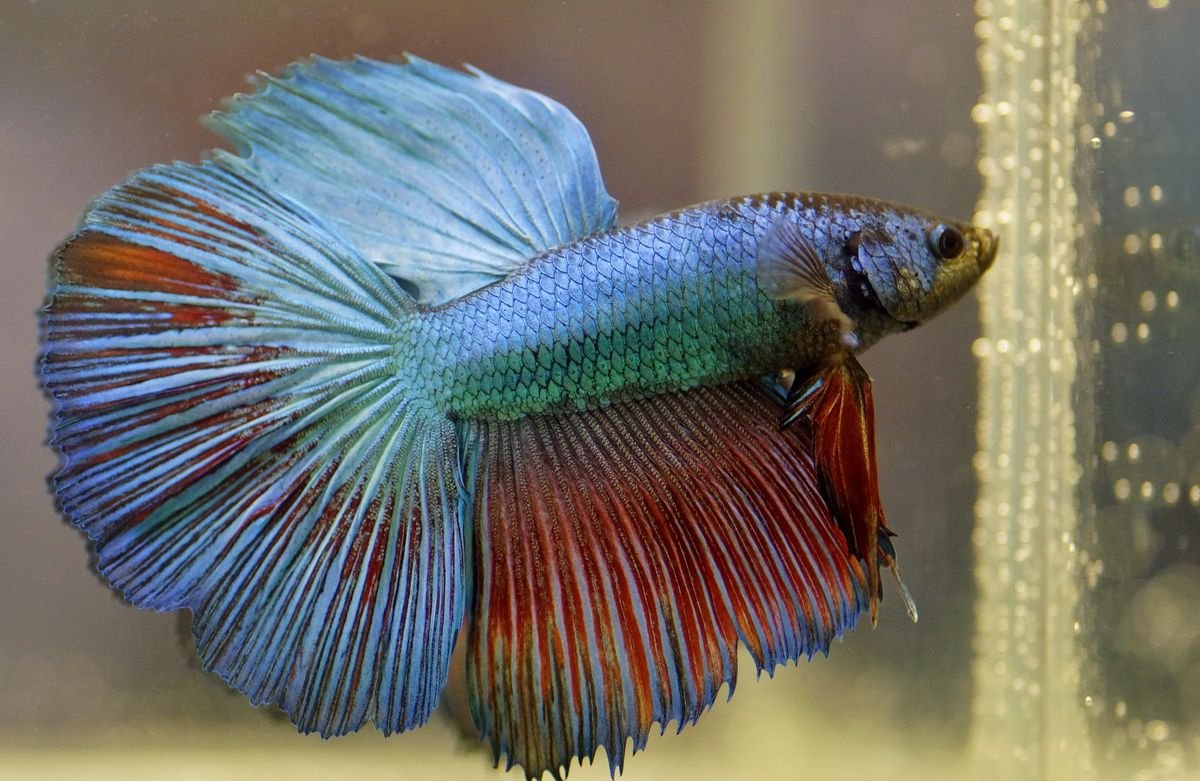
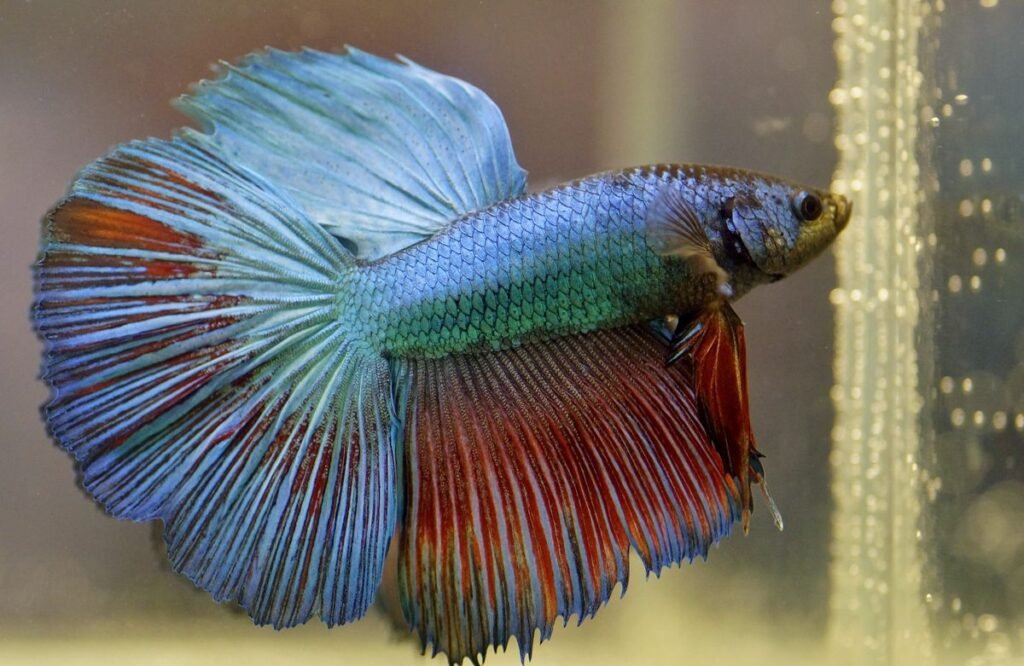
Male and female bettas can differ in fin shape, body shape and reproductive anatomy, but color or aggression alone cannot reliably tell them apart. Long-finned males are often easy to recognize; short-finned males and young fish are more difficult. Both sexes need proper aquarium care, and a female is not automatically a safe companion for another betta.
This guide covers domestic Betta splendens, the Siamese fighting fish commonly sold in aquarium stores. Other wild betta species can have different behavior and breeding systems.
Female vs male bettas at a glance
| Feature | Male | Female |
|---|---|---|
| Fins | Often longer in ornamental strains; plakat males have short fins | Usually shorter, with variation between strains |
| Color | Can be bright or subdued | Can also be intensely colored |
| Egg spot | A pale mark alone does not establish sex | A visible ovipositor supports identification |
| Behavior | Territorial; should not share a tank with another male | Can also chase, bite and defend territory |
| Beginner housing | One betta in its own suitable aquarium | The same individual-housing approach is safest |

How to tell a male from a female betta
Use several features together. Observe the fish calmly from the side, ideally in a clear photograph. Do not handle it, chase it with a net or put another betta beside it just to provoke a display.
Fin length and shape
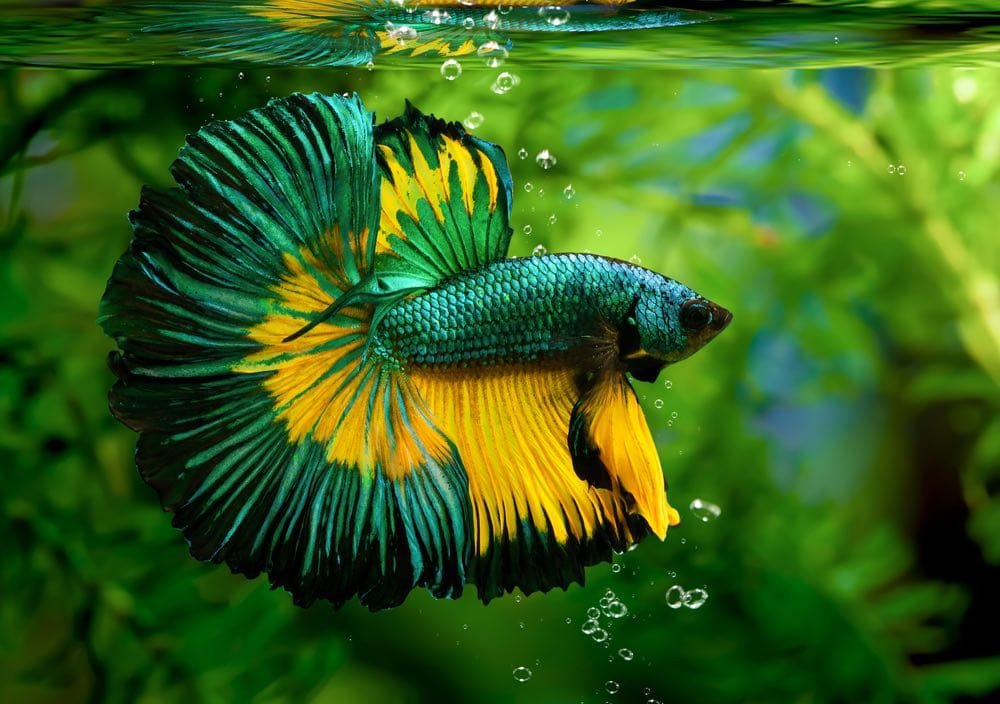
Many ornamental males have long caudal, anal and ventral fins. However, a short-finned plakat male can resemble a female. Fin damage, immaturity and selective breeding make a simple “long fins mean male” rule unreliable. Compare fish of similar age and variety, not a halfmoon male with an unrelated short-finned fish.
The egg spot or ovipositor
A mature female may show a small pale projection on the underside, behind the paired ventral fins and near the front of the anal fin. This is associated with egg laying; it is not at the end of the tail. A blurry white dot can be misleading, so combine it with body and fin features. If identification matters for breeding, ask an experienced breeder to assess clear photographs.
Body shape and color
Females carrying eggs may look fuller through the abdomen, but body fullness is not a dependable sex test. Feeding, body condition and illness also change the outline. Bright females and pale males exist. Neither a round belly nor a particular color should decide how you house the fish.

Does behavior reveal a betta’s sex?
Both sexes can flare, chase or bite. A calm fish is not necessarily female, and an aggressive fish is not necessarily male. Bubble-nest building is commonly associated with males, but a nest is not a reason to introduce a mate or a substitute for checking aquarium conditions.
Body stripes also need context. Do not interpret horizontal bands as proof that a female is ready to breed. Pattern visibility varies with coloration, and changes in appearance can accompany stress. Assess appetite, swimming and the environment alongside any color change.
Can males and females live together?
Do not keep a male and female together as a permanent pair. Adding several females does not make a male-centered group safe. Courtship and territorial aggression can cause injury. Breeding is a separate project requiring supervised introductions, immediate separation options and facilities for offspring.
Female-only groups, often called sororities, can also develop persistent harassment. For a beginner, choose one betta. If fish are already chasing, hiding continuously or losing fins, separate them into suitable established housing rather than waiting for them to “sort it out.”

Do females need different care?
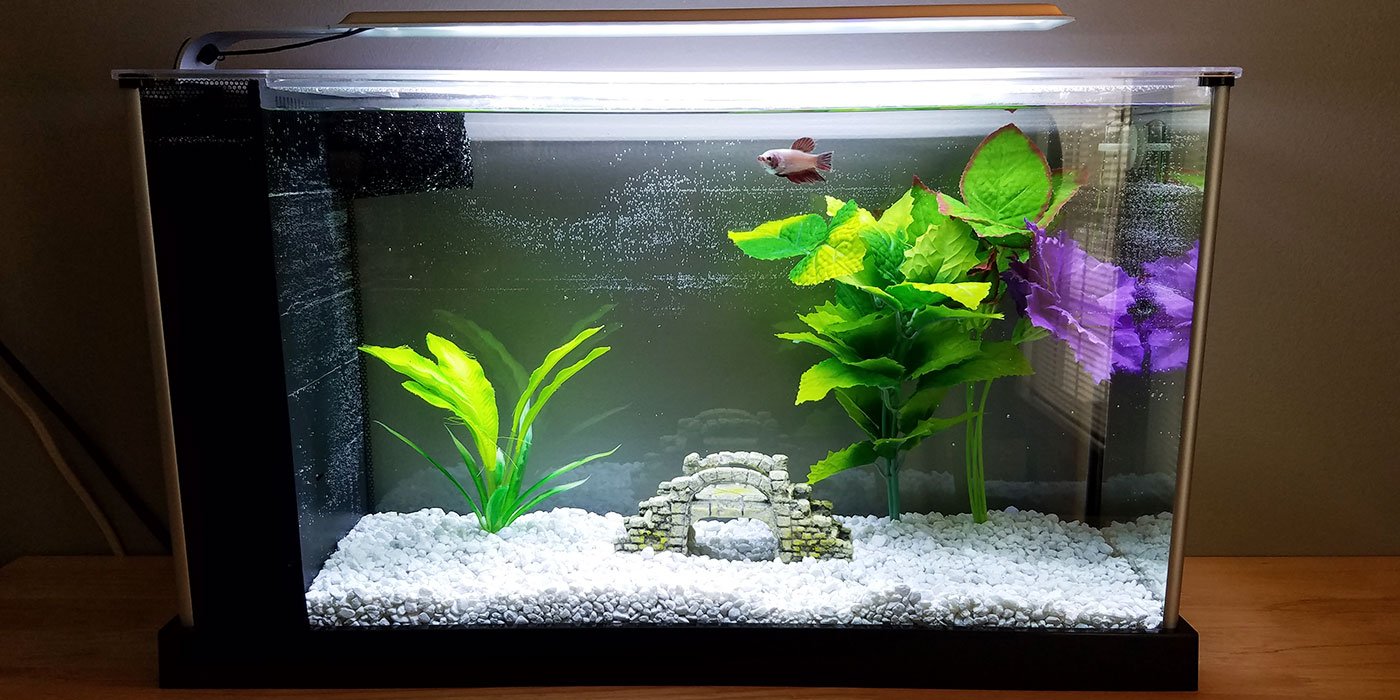
Sex does not justify a smaller tank or less maintenance. Our practical starting recommendation is a rectangular aquarium of about 20 liters or more for one betta, with swimming room, cover and easy surface access. Research on male bettas found that tiny bowls restrict swimming; it does not establish one perfect tank size for every individual.
- Temperature: maintain stable tropical conditions, around 25–26°C (77–79°F), using a suitable heater and a separate thermometer.
- Filtration: establish the biological filter before adding the fish. Aim for no detectable ammonia or nitrite, and control nitrate with appropriate partial water changes.
- Water changes: use a conditioner that treats chlorine and chloramine, and match replacement-water temperature.
- Layout: provide gentle flow, smooth decorations, resting places and a secure lid with an air gap.
Long fins can make strong current and sharp decor particularly troublesome. Adjust the layout to the fish’s swimming ability. Our betta filtration guide and heater guide explain the equipment choices.
Which should you choose?
Choose the individual you can care for well. Look for comfortable swimming, intact skin and fins, and responsive behavior. Ask the seller about age, feeding and the basis for their sex identification. A female can be just as interesting to observe as a male.
Plan the aquarium before purchasing. Neither sex needs a partner for companionship. If your goal is a community aquarium, assess the needs of every species and have separate housing ready; the label “female” is no guarantee of compatibility.

Frequently asked questions
Can a short-finned betta be male?
Yes. Plakat males have short fins. Check several anatomical features instead of identifying sex from the tail alone.
Are female bettas always peaceful?
No. Female bettas can be territorial and may injure other fish. Observe the individual and provide a separation plan.
Does a swollen belly mean my betta is female?
No. Swelling is not a sex test. If it appears suddenly or accompanies appetite loss, raised scales or abnormal swimming, check water quality and seek advice from a fish veterinarian.
Is a 1.5-gallon tank suitable for either sex?
We do not recommend it as permanent housing. Choose an aquarium with enough space for normal activity and stable heating and filtration, rather than using sex or an inch-per-gallon rule to justify a tiny enclosure.